What Is India Semiconductor Mission (ISM) 2.0? Here's Why the ₹1.27 Lakh Crore Push Matters
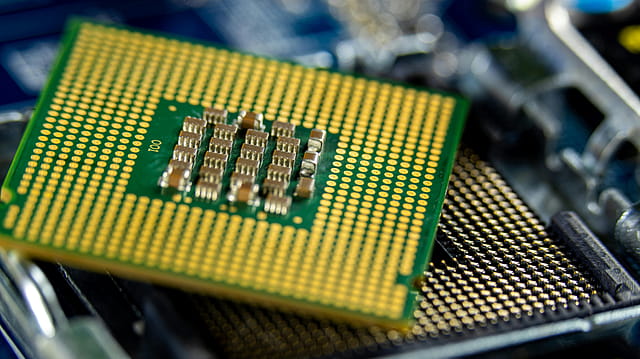
From smartphones and laptops to electric vehicles and defence systems, semiconductors power almost every modern technology.
India wants to manufacture more of those chips at home. With the launch of the India Semiconductor Mission (ISM) 2.0, backed by ₹1.27 lakh crore, the government is betting that the next decade could transform the country from a major chip designer into a significant chip manufacturer. Speaking at a CII conference, MeitY Secretary S Krishnan described 2026 as a "landmark year" for India's semiconductor journey.
Here's what the new mission is all about.
What is ISM 2.0?
India Semiconductor Mission (ISM) 2.0 is the Centre's next phase of support for building a domestic semiconductor industry. Approved by the Union Cabinet earlier this week, the programme comes with an outlay of ₹1.27 lakh crore and aims to strengthen chip manufacturing, semiconductor design, research and the broader supply chain.

Losing Memory
16 Oct 2026 - Vol 05 | Issue 42
The making of a medical and social emergency
Why is the government calling 2026 a landmark year?
According to MeitY Secretary S Krishnan, India's semiconductor push has moved from announcements to execution. Three semiconductor facilities, including Micron, Tata's Sanand plant and CG Power, have already entered commercial production. Two more units are expected to begin operations later this year, while another 12 projects approved under ISM are in various stages of development.
How is ISM 2.0 different from ISM 1.0?
The biggest shift is that ISM 2.0 goes beyond building semiconductor plants. The government now wants to create an entire semiconductor ecosystem by encouraging investment in equipment, specialised materials, industrial gases, chemicals and precision manufacturing. The idea is to reduce dependence on imports and ensure that chip manufacturing is supported by a robust domestic supply chain.
What kinds of semiconductor facilities does India plan to build?
The government wants to expand well beyond the three fabrication units already under construction. Its roadmap includes new logic, memory and display fabs, additional compound semiconductor facilities and advanced packaging units that are essential to the global chip value chain.
What changes are being made for chip design companies?
The Design Linked Incentive (DLI) scheme is being overhauled under ISM 2.0. Unlike the earlier version, which mainly supported startups and MSMEs, the revamped scheme will also allow larger companies to participate. The government also plans to introduce a co-investment model that combines public funding with venture capital and private equity, allowing market demand rather than government selection to determine which companies receive support.
Why is research and development a major focus?
India wants to build long-term capabilities instead of relying only on imported technology. To achieve this, the government has studied successful semiconductor research ecosystems such as Europe's IMEC, the United States' Albany NanoTech complex and Singapore's A*STAR while designing its own R&D strategy. The immediate focus will remain on mature chip technologies before gradually moving towards more advanced manufacturing.
What is India's biggest challenge?
Talent. While India accounts for nearly 20% of the world's semiconductor design workforce, it still lacks enough experienced professionals to operate fabrication plants and advanced packaging facilities. Bridging that skills gap is expected to become one of the government's biggest priorities under ISM 2.0.
Why is semiconductor manufacturing strategically important for India?
Semiconductors are increasingly becoming a matter of economic and national security. Krishnan cited the example of CCTV cameras, where concerns over imported chips have prompted efforts to build trusted domestic supply chains. The government now wants Indian-designed and Indian-manufactured chips to power more products used in critical sectors.
Can India really compete with global semiconductor leaders?
The government believes it can—but not overnight. Krishnan pointed out that semiconductor leaders such as Taiwan took nearly six decades to build their industry. India's focused semiconductor journey is only about five years old. The message from ISM 2.0 is clear: this is not a five-year project. It is a long-term national strategy that could take another decade or more to mature. If successful, however, it could fundamentally reshape India's role in the global technology supply chain.
(With inputs from ANI)