US Exempts Select Indian Speciality Drugs From 100% Pharmaceutical Tariff
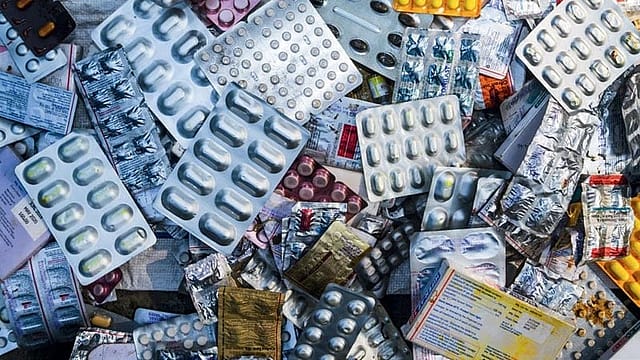
The United States has exempted specified speciality medicines and related ingredients originating in India and 19 other partner jurisdictions from its 100 per cent tariff on certain patented pharmaceutical imports.
The US Commerce Department has published the list of eligible jurisdictions in the Federal Register. The exemption covers defined categories of medicines and their manufacturing inputs, rather than all pharmaceutical exports from the countries concerned.
The decision comes as Washington extends the application of its pharmaceutical tariff measures to additional companies from September 29.
Which Medicines Qualify?
The zero-duty categories include medicines for rare conditions, fertility treatments, advanced cell and gene therapies, antibody-drug conjugates and veterinary pharmaceuticals. Ingredients used to manufacture these treatments are also covered.
According to the official notices, qualifying products receive the zero per cent rate because their places of origin have an existing or forthcoming trade and security framework agreement with Washington.

Losing Memory
16 Oct 2026 - Vol 05 | Issue 42
The making of a medical and social emergency
Alongside India, the eligible jurisdictions are Argentina, Bangladesh, Cambodia, Ecuador, El Salvador, the European Union, Guatemala, Indonesia, Japan, Jordan, Malaysia, North Macedonia, South Korea, Switzerland, Liechtenstein, Taiwan, Thailand, Britain and Vietnam.
Eligibility therefore depends on both the product category and its origin. The inclusion of India in the list does not amount to a blanket exemption for every Indian patented medicine.
How Does the 100% Tariff Work?
The changes implement President Donald Trump’s April 2 proclamation adjusting pharmaceutical import duties under Section 232 of the Trade Expansion Act.
That proclamation imposed a 100 per cent duty on specified patented drugs, biologics and associated ingredients as part of the administration’s push to encourage domestic manufacturing.
The duties took effect on July 31 for companies identified in an initial annex. Their application extends to other listed companies from September 29.
The levy is an ad valorem tariff, meaning it is calculated as a percentage of the monetary value of the imported goods. The latest exemption gives qualifying speciality pharmaceutical products from the listed jurisdictions a zero per cent rate under this framework.
What Happens to Generic Drugs?
The Commerce Department has confirmed that generic pharmaceutical products and their ingredients remain exempt from these Section 232 pharmaceutical tariffs.
Technical amendments also clarify the products covered by the framework. The definition of “generic pharmaceutical articles” now explicitly includes unpatented animal health products.
Separately, “pharmaceutical articles” is defined to cover finished medicines, active pharmaceutical ingredients and key starting materials.
The distinction leaves two separate forms of relief: the exemption for generic products and their ingredients, and the zero-duty treatment for specified speciality medicines originating in eligible partner jurisdictions.
With inputs from ANI