Shantanu Narayen’s 18-Year Run as Adobe’s CEO: A Legacy Defined by Cloud and AI
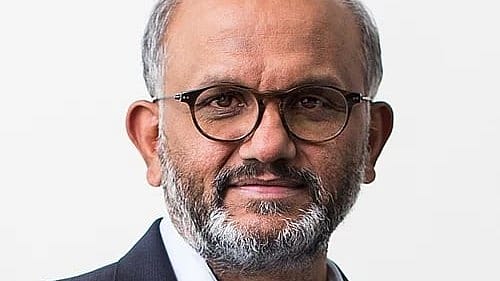
Adobe's long-time CEO Shantanu Narayen announced on Thursday that he will step down once a successor is chosen.
Over 18 years, Narayen turned Adobe from a boxed software company into a subscription-powered, AI-forward enterprise worth more than $25 billion in annual revenue.
Who is Shantanu Narayen?
Narayen is a Hyderabad-born technology executive who joined Adobe in 1998 and rose to become its CEO in 2007. He holds degrees from Osmania University, Bowling Green State University, and UC Berkeley's Haas School of Business. Before Adobe, he co-founded an early photo-sharing startup - a fitting origin story for the man who would eventually own the creative software market.
When did Narayen officially announce his departure?
Adobe announced in March 2026 that Narayen would transition out once a successor was identified. He will remain as Chair of the Board, ensuring continuity during the changeover. A special committee led by Lead Independent Director Frank Calderoni is reportedly evaluating both internal and external candidates.
What did Adobe look like before Narayen became CEO?
When Narayen took the helm in 2007, Adobe was primarily a desktop software company, best known for Photoshop and Acrobat. Reportedly, revenue at that time was under $1 billion and the company employed around 3,000 people. It was profitable, but structurally fragile - entirely dependent on customers buying new software versions to drive revenue.

Freedom Issue 2026
14 Aug 2026 - Vol 05 | Issue 33
Shashi Tharoor on being radical liberal | Ram Madhav on how Gandhi used his Hinduism | TCA Raghavan on a diplomat's travels in history | Sumana Roy on the novel beyond the Booker | Carlo Pizzati on the dissolution of Borders
What was his single biggest achievement?
Without question, the shift to Creative Cloud. In 2013, Adobe made the bold and controversial decision to abandon perpetual software licences and move entirely to a subscription model. Customers were initially furious. But the bet paid off dramatically.
According to CMSWire, this transformation is now considered one of the most successful SaaS pivots in enterprise software history.
How much did Adobe grow financially under his leadership?
According to DQ India, Adobe's revenue grew from under $1 billion to over $25 billion during Narayen's tenure. The company's workforce reportedly expanded from roughly 3,000 employees to more than 30,000 - a tenfold increase in headcount that reflects the scale of Adobe's enterprise ambitions under his watch.
Did Adobe expand beyond creative tools?
Significantly. Narayen drove Adobe's push into the enterprise digital marketing space through Adobe Experience Manager and the broader Adobe Experience Cloud suite.
This positioned the company as a direct competitor to Oracle and Salesforce in the digital experience platform market - a category that did not exist in Adobe's portfolio when he took over.
What is Adobe Firefly and why does it matter?
Firefly is Adobe’s generative AI platform, integrated across Photoshop, Illustrator, and other flagship products. Reportedly designed to be commercially safe - trained on licensed content rather than scraped data - it represents Narayen's strategic bet on AI as the next frontier of creative software.
His final years as CEO were largely defined by positioning Adobe for this AI transition.
What did industry leaders say about his legacy?
Microsoft CEO Satya Nadella publicly praised Narayen's legacy upon the announcement, hailing his role in steering Adobe through one of the most transformative periods in enterprise software. Such endorsements from peers underline how respected his tenure was across the wider technology industry.
What happens to Adobe now?
Adobe enters the post-Narayen era in a position of financial strength but competitive uncertainty. Reportedly, the company posted Q1 FY26 revenue of $6.40 billion, signalling that the business fundamentals remain solid.
However, the rise of AI-native creative tools from competitors means the new CEO will inherit both a legacy of success and a genuinely contested market. Narayen's parting message to employees, according to DQ India, was clear: this is not a goodbye - it is a moment for reflection and continuity.
For 18 years, Shantanu Narayen did not just manage Adobe. He remade it. That is a legacy few CEOs in any industry can claim.
(With inputs from yMedia)