Rupee near 96? Why your next petrol bill, iPhone and holiday could depend on India’s Russian oil dilemma
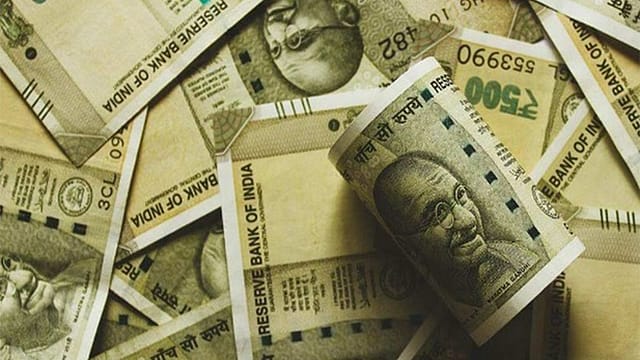
The number flashing on currency traders’ screens this week was 96.
Not ₹96 for a litre of petrol. Not ₹96 for a cup of coffee at an airport. But ₹96 for one US dollar.
The Indian rupee briefly touched 96.10 against the dollar last week before recovering slightly, and analysts say volatility is far from over. Reuters reported that traders expect the rupee to remain under pressure from oil prices, global uncertainty and geopolitical tensions, even as the Reserve Bank of India (RBI) continues to smooth excessive swings.
For most people, exchange rates feel distant. Until they aren't.
Because when the rupee weakens, the effects eventually ripple through fuel bills, imported electronics, overseas travel, foreign education costs and even inflation.
Why the rupee's weakness is really an oil story
If there is one commodity that can move the rupee faster than almost anything else, it is crude oil. India imports the vast majority of the oil it consumes. When global crude prices rise, Indian refiners need more dollars to pay for imports. That increases demand for the US currency and puts pressure on the rupee.

Zeroing In on ECI
09 Oct 2026 - Vol 05 | Issue 41
Constitutional legitimacy versus political opportunism
Recent tensions in West Asia and uncertainty surrounding energy supplies have kept markets nervous. Oil prices remain one of the key drivers influencing the rupee's movement, even though crude has eased slightly in recent trading.
This is where the story gets complicated. Because India's oil challenge is no longer just about oil.
How Russian oil became central to India's rupee equation
Since the Ukraine conflict reshaped global energy markets, India has emerged as one of the largest buyers of discounted Russian crude.
Those discounted barrels helped India control import costs and shield consumers from even sharper fuel-price shocks. But now Washington's latest Russia sanctions legislation has created fresh uncertainty.
The US House has passed legislation that could allow tariffs of up to 100% on countries importing significant amounts of Russian oil. India has already signalled concerns, with officials stressing that energy security for 1.4 billion people remains a priority. New Delhi warned such measures could affect bilateral ties and disrupt global energy markets.
The dilemma is straightforward: Reduce Russian oil purchases and India risks paying more for energy. Continue buying Russian oil and India could face trade-related pressure from Washington.
Either way, markets are watching.
What could a weaker rupee mean for ordinary Indians?
The effects are rarely immediate. But over time, a weaker rupee can make imports more expensive. That can affect fuel prices, aviation costs, consumer electronics, industrial inputs and overseas spending. An imported smartphone, an international holiday or a foreign university fee can all become costlier when the rupee loses value against the dollar.
Inflation is another concern. Higher energy costs eventually flow through supply chains, influencing transportation, manufacturing and logistics costs. That is one reason economists closely track both oil prices and currency movements together.
Can the RBI stop the rupee from falling further?
The RBI has already stepped in several times to calm markets.
State-run banks have been selling dollars, widely seen by traders as intervention on behalf of the central bank, while India's record foreign-exchange reserves provide an additional buffer against excessive volatility.
Analysts currently see the rupee trading in a broad range around 95.30 to 96.00 in the near term, with the 96 level emerging as an important psychological barrier.
The bigger story behind the exchange rate
A currency chart may look like a financial-market statistic. But today's rupee tells a much bigger story. It reflects wars in West Asia, uncertainty in global oil markets, US-Russia tensions, proposed American tariffs, foreign investment flows and India's search for affordable energy.
That is why the debate around 96 is not really about a number.
It is about how a country that imports energy, trades globally and serves 1.4 billion people navigates a world where geopolitics increasingly influences economics.
And for now, every move in the rupee is also a reminder that the price of oil, the politics of sanctions and the contents of an Indian wallet are more closely connected than they might appear.
(With inputs from ANI)