European gas prices may jump 30% this winter: What it means for India and Indian consumers
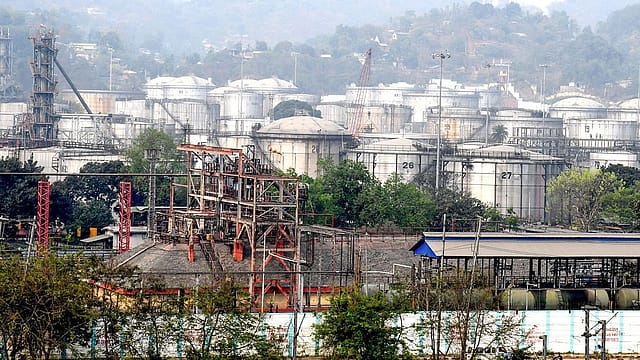
Could a cold winter in Europe make energy more expensive in India? Not directly in every case, but it could add pressure to a global gas market already struggling with supply disruptions.
Bank of America (BofA) expects European natural gas prices to average around €100 per megawatt-hour in October-December 2026, nearly 60% above the previous quarter and about 30% above current market expectations. The bank’s forecast comes as Europe prepares for winter with lower-than-usual gas reserves.
For India, which imports liquefied natural gas (LNG) to meet part of its energy needs, the concern is whether higher international prices and competition for cargoes will push up import costs.
Why European gas prices could rise this winter
Gas storage is Europe’s cushion against winter demand. Countries fill underground reserves during warmer months and draw on them when households and businesses need more heating.

Zeroing In on ECI
09 Oct 2026 - Vol 05 | Issue 41
Constitutional legitimacy versus political opportunism
But the cushion is thinner this year. European Union gas storage stood at around 73% in early October, compared with 83% a year earlier and a five-year average of approximately 88%, according to figures reported by The Wall Street Journal. Colder weather or unexpected supply disruptions could intensify competition for available gas.
BofA expects prices to reach around 250 pence per therm, equivalent to approximately €100 per megawatt-hour. The bank also forecasts Brent crude oil at an average of $100 per barrel in the fourth quarter, although its outlook for gas is more bullish.
How the Middle East crisis has changed the global gas market
Europe’s storage concerns come against a wider backdrop of disrupted energy supplies. The US-Israeli conflict with Iran and restrictions affecting shipping through the Strait of Hormuz have disrupted LNG flows from the Gulf, including supplies from Qatar.
In an October 12 analysis, Reuters reported that Qatar’s LNG industry continued to face significant disruption, with around 17% of its export capacity knocked out. Because LNG cargoes can be redirected towards buyers willing to pay more, supply disruptions can affect prices well beyond the region where they originate.
The International Energy Agency’s third-quarter 2026 gas market report also found that European and Asian gas prices remained significantly above year-earlier levels during the second quarter.
What higher European gas prices could mean for India
India’s exposure comes through LNG imports used by industries, fertiliser plants, city gas distributors and some power producers. If Europe pays more for available cargoes, Indian buyers may face stiffer competition, although the impact will depend on supply availability, contracts and prices in Asian markets.
The pressure is not merely theoretical. Reuters reported that the United States became India’s largest LNG supplier in May 2026, as imports recovered despite elevated international prices and disruptions affecting supplies from Qatar and the UAE.
For Indian businesses, expensive gas can increase production costs. Fertiliser manufacturing is particularly sensitive because natural gas is an important feedstock. Higher input costs could put pressure on companies and, depending on government policy and the extent of cost absorption, public finances or prices elsewhere in the economy.
However, a rise in European benchmark prices does not automatically mean Indian households will immediately pay more for cooking gas or electricity. Indian prices are influenced by domestic pricing rules, long-term supply contracts, government decisions and the cost of alternative fuels.
Will Indian consumers feel the impact?
The outcome will depend on how severe the winter price surge becomes and how long global supply disruptions persist. If LNG remains expensive, industries could face higher costs or reduce consumption, while power producers may find gas-fired generation less competitive.
BofA’s forecast is a market outlook, not a certainty. Milder weather, improved supply or weaker demand could limit the increase. For India, the wider lesson is that energy security depends not only on securing supplies, but also on diversifying import sources and reducing vulnerability to sudden global price shocks.
(With inputs from ANI)