Petrol Crosses Rs 100 in Delhi as India Faces Fourth Fuel Price Hike in Two Weeks
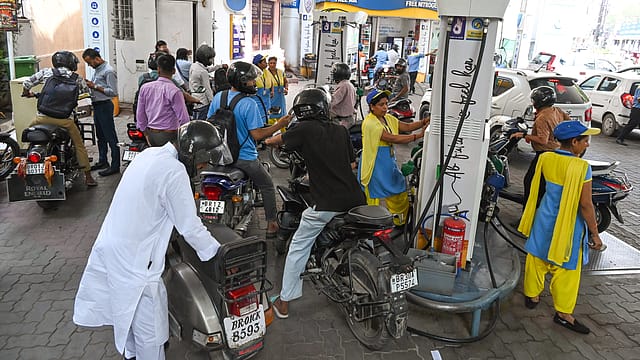
Petrol prices in Delhi have crossed the Rs 100-per-litre mark after the fourth fuel price hike in less than two weeks, intensifying concerns over inflation, transportation costs and the burden on households already grappling with rising living expenses.
On Monday, petrol prices in Delhi rose by Rs 2.61 to Rs 102.12 per litre, while diesel increased by Rs 2.71 to Rs 95.20 per litre. Similar hikes were reported across Kolkata, Mumbai and Chennai, reflecting the nationwide impact of volatile global oil markets and escalating geopolitical tensions in West Asia.
In Kolkata, petrol prices climbed to Rs 113.51 per litre and diesel to Rs 99.82 per litre. Mumbai saw petrol rise to Rs 111.21 and diesel to Rs 97.83 per litre, while Chennai recorded petrol at Rs 107.77 and diesel at Rs 99.55 per litre.
The latest increase comes after a series of consecutive hikes over the past 10 days. Fuel prices were first raised by Rs 3 per litre on May 15, followed by another increase of 90 paise on May 19. On May 23, petrol prices rose by 87 paise and diesel by 91 paise, before Monday’s fresh revision pushed rates even higher.
The sharp rise in petrol and diesel prices is largely linked to elevated global crude oil prices and fears of supply disruptions stemming from tensions in West Asia. Oil marketing companies are also facing pressure from fluctuations in currency exchange rates and rising import costs.

Open Minds 2026
26 Jun 2026 - Vol 05 | Issue 26
The power of ideas and arguments in 50 portraits
A major concern for global energy markets remains the Strait of Hormuz, one of the world’s most critical oil transit chokepoints. A significant portion of global crude oil shipments passes through this narrow maritime corridor. Any threat to shipping routes in the region typically causes international crude prices to surge, directly impacting fuel-importing nations like India.
The ongoing instability linked to the Israel conflict has further amplified concerns over energy security and future supply disruptions, leading to sustained upward pressure on fuel prices.
How Are Consumers Reacting to the Repeated Hikes?
The repeated increases have triggered frustration among commuters, transport operators and daily wage earners who rely heavily on fuel for livelihood and mobility.
Reacting to the latest hike, a buyer said, “We are very upset. They are not even giving diesel in many places. This should be discussed. Taxi drivers will face more problems. The rate of diesel should be decreased.”
Another buyer linked the increases to global tensions and said, “It is fine. The government should do whatever is required to save the country. It is because of Israel war.”
A commuter expressed concern over the broader economic impact, saying, “It is tough for the common man. This impacts everything. We will see what the government can do regarding this.”
Why Are Rising Fuel Prices a Bigger Economic Concern?
The impact of fuel price hikes extends far beyond vehicle owners. Petrol, diesel and CNG are central to India’s transportation and logistics network, meaning higher fuel costs eventually translate into more expensive goods and services across sectors.
Compressed Natural Gas prices in Delhi were also increased by Rs 1 per kg on Saturday, taking the price to Rs 81.09 per kg. This marked the third CNG price hike within 10 days, further burdening auto-rickshaw drivers, cab operators and public transport systems.
Higher fuel prices typically raise freight and transportation costs, which then push up retail prices of food, consumer goods and essential commodities. Economists warn that continued increases could contribute to broader retail inflation at a time when household budgets are already under stress.
For businesses dependent on transportation and supply chains, sustained fuel inflation may also reduce profit margins and increase operational costs, potentially affecting economic growth and consumer spending patterns in the coming months.
(With inputs from ANI)