Nvidia Fell 14% After Jensen Huang Quit. Why Did AMD Rise?
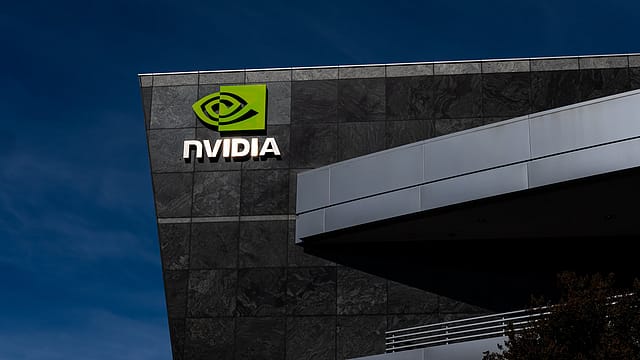
Nvidia shares fell about 14% in early US trading on Thursday after co-founder Jensen Huang resigned as CEO, president and director, the Associated Press reported. The Nasdaq Composite opened 1.47% lower, the S&P 500 fell 0.90% at the open and the Dow slipped 0.11%. The first moves around Nvidia were less uniform. CoreWeave, an Nvidia-backed cloud provider, fell sharply in Reuters’ early snapshot. AMD and Broadcom gained.
How much did Nvidia fall, and when?
The sell-off deepened once Wall Street opened. Reuters put Nvidia down 10.3% in a premarket snapshot. The Times of India reported a 13.09% drop at the open, and the Associated Press subsequently reported a fall of about 14%. In the previous evening’s extended session, Nvidia had already fallen about 8.6% after reports that its board was discussing Huang’s future. Both moves are measured against the previous regular close. Adding them would overstate the fall. Premarket trades also take place before the main US session, when there are generally fewer buyers and sellers and prices can move more sharply.

The Wealth Issue 2026
06 Nov 2026 - Vol 05 | Issue 45
Portraits of Dreamers and Doers under 35
Why did the Nasdaq fall much more than the Dow?
The Nasdaq Composite gives larger companies more influence based on their stock-market value. Nvidia’s size means a sharp move in its shares can pull the index down even if many other stocks hold up. The Nasdaq also contains many of the chip, software and data-centre businesses investors were reassessing. The 30-stock Dow gives more weight to higher-priced shares, so the same company can have a very different effect on the two indices.
Why did AMD and Broadcom move the other way?
Reuters’ early report put AMD up 2% and Broadcom up 1.4%. AMD sells AI accelerators that can compete for some of the same computing work. Broadcom helps customers build custom chips, a route large cloud companies can take when they want hardware tailored to their own needs. Investors saw a potential opening for both. Whether that turns into sales depends on what customers order and whether rivals can supply chips and software at the scale those customers need.
Why was CoreWeave hit?
CoreWeave rents computing power to companies that need to train or run AI models. Its service uses Nvidia chips. Nvidia has invested in CoreWeave and agreed, under a separate arrangement, to buy certain capacity CoreWeave cannot sell to its own customers. CoreWeave was down 13.6% in Reuters’ early snapshot, after a sharp rally the previous session following its earnings. The fall shows how closely traders link the two businesses. It gives no direct evidence that either company has changed its contracts.
What are investors trying to price after Huang’s exit?
They are reassessing the chance that Nvidia keeps meeting the growth expectations already built into its shares. Huang had been central to its product strategy, relationships with cloud providers and investments across the AI business. Colette Kress, his interim successor, has led Nvidia’s finances since 2013. One test is whether she can keep chip deliveries and customer commitments on track while the board searches for a permanent CEO.
Did the sell-off establish that demand for Nvidia chips has fallen?
Orders and deliveries will answer that. In August, Nvidia forecast about $108 billion of revenue for its latest quarter. That figure predates the change in leadership. The results due on 17 November cover a quarter that also ended before the handover. For the market, the more revealing numbers will be the forecast for the following quarter and any new information on how much Nvidia can ship.
How can the move reach Indian investors?
Indian investors can hold Nvidia indirectly through funds that track US indices. Motilal Oswal’s Nasdaq 100 ETF is one example. Its September factsheet showed Nvidia accounted for 8.36% of the portfolio. At that weight, a 14% fall in Nvidia alone would take roughly 1.17 percentage points off the portfolio in a simple calculation. The actual change depends on the other holdings, the rupee-dollar exchange rate and when the fund values its US investments.
Which numbers matter once the first reaction passes?
Start with the regular US close for Nvidia, CoreWeave, AMD and Broadcom. Each may finish somewhere different from its first quote. On 17 November, listen for whether Nvidia’s new leadership changes the sales outlook, chip delivery plans or how it funds projects with customers. Those are the developments that could turn an opening-session trade into a longer reassessment of the business.