Inside the IndiGo Meltdown: How Flight Cancellations Led to Pieter Elbers’ Sudden Exit
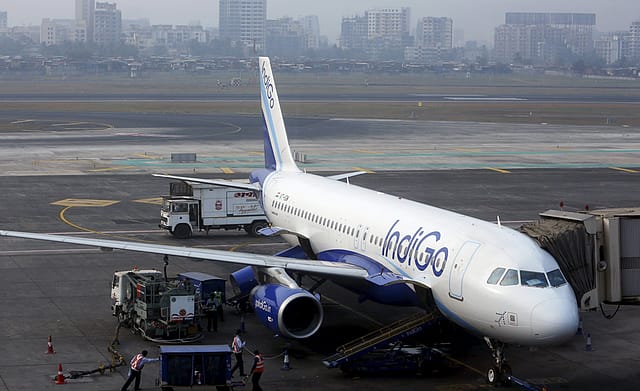
India's largest airline just lost its most high-profile CEO, and the circumstances surrounding his exit are messier than the official statement reveals. Here is everything you need to know about the IndiGo crisis, what triggered it, and what it means for the airline going forward.
Who is Pieter Elbers and why did his resignation matter?
Pieter Elbers joined IndiGo in September 2022 after a long stint leading KLM Royal Dutch Airlines. He was widely credited with transforming IndiGo from a domestic budget carrier into a serious global contender. Under his watch, the airline placed a landmark order for 500 aircraft, signalling aggressive international ambitions.
His resignation on March 10, 2026, with immediate effect, therefore came as a significant shock to the aviation industry.
What happened in December 2025?
Between December 3 and 5, 2025, IndiGo experienced one of the worst operational meltdowns in Indian aviation history. According to reports, over 2,500 flights were cancelled and approximately 1,900 more were delayed within that three-day window alone. Additionally, on December 4th, IndiGo’s on-time performance plummeted to an industry worst of 8.5%.
More than 300,000 passengers were stranded at airports across the country, triggering widespread outrage on social media and drawing immediate attention from aviation regulators.

Open Minds 2026
26 Jun 2026 - Vol 05 | Issue 26
The power of ideas and arguments in 50 portraits
What caused the mass cancellations?
The root cause was IndiGo's failure to properly implement new Flight Duty Time Limitation rules. These rules were designed to regulate pilot working hours and prevent fatigue-related safety risks. Reportedly, the airline had not adequately adjusted its crew scheduling and rostering systems ahead of the rule changes, leading to a sudden and severe shortage of available pilots over that critical December weekend.
How did regulators respond?
In January 2026, the Directorate General of Civil Aviation (DGCA) imposed a record ₹22.2 crore fine on IndiGo and mandated a ₹50-crore bank guarantee following massive flight disruptions in December 2025. This penalty was accompanied by orders to improve operational, leadership, and crew management systems.
Were there deeper internal problems at play?
Investigations into the crisis reportedly uncovered a pattern of "over-optimisation" within IndiGo's operations - meaning the airline had been running its schedules so tightly that there was almost no buffer when things went wrong.
Weak software systems and inadequate crew planning infrastructure were also flagged as contributing factors. Critics noted that rapid expansion without proportionate investment in operational backbone had left the airline exposed.
What did Elbers say about his resignation?
Officially, Elbers cited personal reasons for his departure. However, the timing, just months after the December crisis and amid sustained regulatory and public pressure, left few observers convinced that the two were unrelated. According to reports, the resignation was effective immediately, which is unusual and typically signals that the exit was not entirely voluntary.
What happens to IndiGo now?
Co-founder Rahul Bhatia has stepped in to lead the airline following Elbers' departure. Bhatia's return is widely seen as a stabilising move, given his foundational role in building IndiGo into the dominant carrier it is today.
The immediate priority will be restoring passenger confidence, addressing regulatory concerns, and rebuilding the airline's hard-earned reputation for on-time performance.
How badly was IndiGo's reputation damaged?
Significantly. IndiGo had long distinguished itself from competitors precisely on the basis of punctuality and reliability - attributes that are core to its brand identity. The December crisis directly undermined that positioning. The operational meltdown effectively undid a key pillar of Elbers' leadership narrative, making his position increasingly untenable in the months that followed.
What does this mean for Indian aviation more broadly?
The IndiGo crisis has reignited conversations about the pace of airline expansion in India versus the readiness of operational and regulatory infrastructure to support it.
With Indian carriers racing to add routes, aircraft, and international destinations, the episode serves as a cautionary tale about the risks of scaling faster than systems can handle - and what happens when pilot welfare regulations are not treated as a genuine operational priority.
(With inputs from yMedia)