India Services PMI Hits Two-Month High as RBI Seen Holding Rates Steady
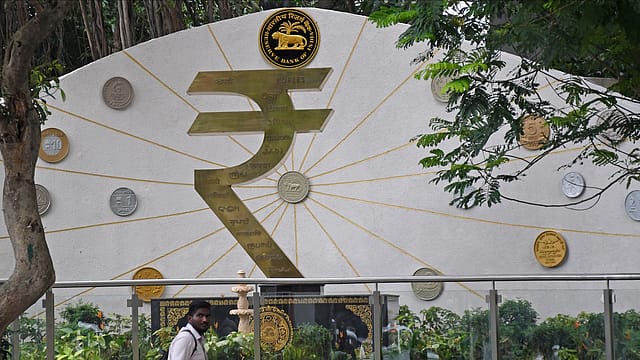
India’s services sector picked up momentum in January, reinforcing signs of resilience in domestic demand even as the central bank is expected to stay cautious on interest rates.
The HSBC India Services PMI rose to a two-month high of 58.5 in January, up from 58.0 in December, signalling a sharp and sustained expansion in activity. The Composite PMI, which combines services and manufacturing, also climbed to 58.4, rebounding from an 11-month low in December and pointing to broad-based improvement across the economy.
HSBC said the expansion was driven primarily by strong domestic demand, though international orders also grew at a solid pace. New business inflows and output accelerated, prompting firms to turn more optimistic about the outlook and step up hiring during the month.
“Robust output growth was supported by a steady influx of new orders,” HSBC noted, adding that overall expansion was the strongest in three months. New orders rose at their fastest pace in two months after slipping to an 11-month low at the end of 2025, helped by stronger client interest and improved online presence.
Segment-wise, finance and insurance led growth in both output and new orders, even though it was the only category to show some moderation from December. Input costs rose at the fastest pace since September, driven by higher prices of items such as food products, electronic goods and components, though the increase remained moderate and below the long-term average. Outstanding workloads stayed broadly stable, suggesting firms were able to manage demand without a sharp build-up in backlogs.

India's Action Hero
27 Mar 2026 - Vol 04 | Issue 64
Riding the Dhurandhar Wave
RBI likely to stay on hold despite improving data
Even as growth indicators strengthen, the Reserve Bank of India (RBI) is expected to keep policy rates unchanged and retain a neutral stance in its upcoming Monetary Policy Committee (MPC) meeting, according to Nuvama Research.
The RBI has already delivered cumulative rate cuts of 125 basis points, bringing the policy repo rate down to 5.25%. Nuvama said the central bank is now likely to pause and assess the impact of past easing, as transmission to bank lending rates is still underway and bond yields remain sticky.
“With transmission in progress and yields elevated, the RBI is likely to focus more on liquidity management rather than further rate action,” the report said, describing the central bank’s approach as wait-and-watch.
Nuvama added that the recent India–US trade deal could support foreign capital inflows and the rupee, giving the RBI additional room to manage liquidity conditions. However, it cautioned that while the economy appears to be bottoming out, the recovery remains uneven across sectors, amid persistent global uncertainty and market volatility.
Together, the PMI data and policy outlook suggest an economy gaining traction on the ground, even as policymakers remain wary of moving too fast. Stronger services activity is bolstering growth sentiment, but with inflation dynamics, global risks and rate transmission still in play, the RBI appears set to prioritise stability over stimulus, at least for now.
(With inputs from ANI)