Brent Crude Falls Below USD 99 as US-Iran Deal Hopes Lift Oil Supply Outlook
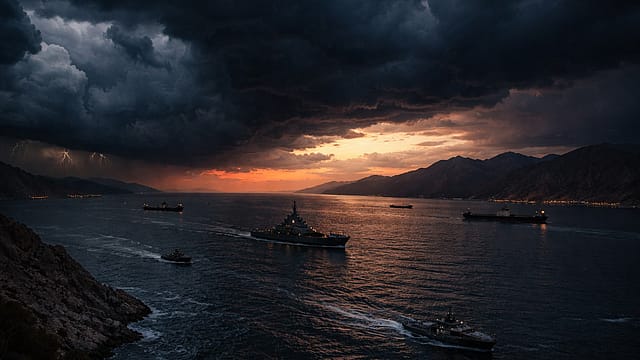
Global crude oil prices witnessed a sharp decline on Monday after optimism grew around a possible agreement between the United States and Iran, easing fears of prolonged disruption in the Gulf region and the Strait of Hormuz.
At the time of filing this story, Brent Crude had fallen 4.57 per cent to USD 98.81 per barrel, while West Texas Intermediate (WTI) Crude slipped 4.68 per cent to USD 92.08 per barrel.
The decline followed comments by US President Donald Trump, who said an agreement between Washington and Tehran had been “largely negotiated.”
Why Oil Prices Are Falling
Markets reacted positively to signs that tensions between the US and Iran could ease after months of uncertainty in West Asia.
According to reports, Iran has agreed in principle to reopen the Strait of Hormuz, one of the world’s most critical oil shipping routes. The country has also reportedly discussed disposing of its stockpile of highly enriched uranium as part of an evolving framework with Washington.
The Strait of Hormuz is strategically vital because nearly one-fifth of the world’s oil supply passes through the narrow maritime corridor. Any disruption there usually pushes crude prices sharply higher.
The possibility of the waterway remaining open reduced fears of supply disruptions, leading traders to sell oil contracts and pull prices lower.
What the Proposed US-Iran Understanding Includes

Open Minds 2026
26 Jun 2026 - Vol 05 | Issue 26
The power of ideas and arguments in 50 portraits
According to CNN, the emerging framework between Washington and Tehran includes multiple sensitive issues that are still under discussion.
A senior US administration official reportedly said Iran agreed in principle to reopen the Strait of Hormuz and address concerns around its nuclear programme. However, the exact mechanism for disposing of the enriched uranium stockpile and the duration of any future enrichment moratorium are yet to be finalised.
The report also stated that sanctions relief and the unfreezing of Iranian assets would only be considered after Tehran fulfills commitments related to reopening the Strait and limiting its nuclear activities.
The total financial value of any relief package also remains undecided.
Trump Says US Will Not “Rush Into a Deal”
Despite optimism in oil markets, Trump stressed that Washington would proceed cautiously in negotiations with Iran.
In a post on Truth Social, he said the US blockade on Iranian ports would remain active until a formal agreement is completed and signed.
“One of the worst deals ever made by our Country was the Iran Nuclear Deal, put forth and signed into existence by Barack Hussein Obama and the rank amateurs of the Obama Administration. It was a direct path to Iran developing a Nuclear Weapon. Not so with the transaction currently being negotiated with Iran by the Trump Administration - THE EXACT OPPOSITE, in fact! The negotiations are proceeding in an orderly and constructive manner, and I have informed my representatives not to rush into a deal in that time is on our side. The Blockade will remain in full force and effect until an agreement is reached, certified, and signed. Both sides must take their time and get it right,” Trump wrote.
Trump also claimed that relations between Washington and Tehran were becoming increasingly “professional and productive,” while reiterating that Iran must never acquire nuclear weapons.
“There can be no mistakes! Our relationship with Iran is becoming a much more professional and productive one. They must understand, however, that they cannot develop or procure a Nuclear Weapon or Bomb,” he added.
Why the Development Matters Globally
The developments are being closely watched by global energy markets because Iran remains a major regional player in oil production and Gulf security.
Any easing of sanctions on Tehran could potentially increase Iranian oil exports in international markets, improving global supply and reducing upward pressure on fuel prices.
The news also comes at a time when crude markets have been highly volatile due to geopolitical tensions in West Asia and concerns over maritime security in the Gulf.
For countries like India, which import a large share of their crude oil requirements, lower global oil prices could help ease inflationary pressures and reduce fuel import costs.
(With inputs from ANI)