Air India, IndiGo Cut Flights as Fuel Prices Surge Amid West Asia Crisis
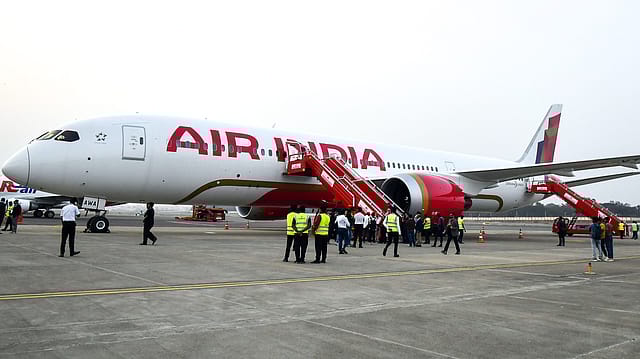
India’s two largest airlines, Air India and IndiGo, are reducing flight operations between June and August 2026 as soaring aviation turbine fuel (ATF) prices continue to strain airline finances and operational viability.
Air India is set to cut up to 22 per cent of its domestic flights during the three-month period, while IndiGo plans to reduce domestic capacity by 5-7 per cent. IndiGo has also trimmed international capacity by 17 per cent.
The move comes as airlines grapple with sharply higher fuel expenses triggered by the ongoing West Asia crisis and disruptions in global oil markets.
What Has Air India Said About the Cuts?
Air India said it has “temporarily rationalised operations on certain domestic routes” with lower flight frequencies on select routes between June and August 2026.
The airline added that the move follows earlier reductions in some international services during the same period.

The Modi Years
02 Oct 2026 - Vol 05 | Issue 40
A Nation Rebuilt
“In continuation of our previously announced adjustments to select international services between June and August 2026, we have temporarily rationalised operations on certain domestic routes during the same period, with a reduction in frequencies on select routes,” Air India said in a statement.
According to the airline, the operational adjustments are “driven by the sustained impact of high fuel prices on overall operations.”
The statement underlines the growing pressure airlines are facing as fuel costs account for a major share of operating expenses in the aviation industry.
How Has the West Asia Crisis Impacted Fuel Prices?
The surge in aviation fuel prices is closely linked to the escalating tensions in West Asia, particularly the conflict involving the United States and Iran.
Brent crude oil prices have jumped more than 50 per cent over the last nearly three months as fears of prolonged supply disruptions intensified across global energy markets.
Oil supply chains have also come under pressure due to disruptions around the Strait of Hormuz, one of the world’s most critical oil shipping routes.
The Strait of Hormuz handles a significant portion of global crude oil transportation, making any disruption in the route highly sensitive for international energy prices and fuel-dependent industries such as aviation.
Why Are Airlines So Sensitive to Fuel Costs?
Aviation turbine fuel is one of the biggest operational expenses for airlines, often accounting for a substantial share of total costs.
When crude oil prices rise sharply, airlines either absorb the additional burden, increase ticket prices or reduce operations to protect profitability.
The current spike in fuel prices has created pressure on airline margins globally, but the impact is especially significant in price-sensitive markets such as India, where competition keeps fares relatively low.
Reducing flight frequencies and trimming capacity allows airlines to optimise operations and focus on routes with stronger passenger demand and better profitability.
Could Airfares Rise in the Coming Months?
Although airlines have not yet announced broad fare hikes, reduced flight availability combined with elevated fuel costs could eventually lead to higher ticket prices during the peak travel season.
With fewer seats available on certain domestic and international routes, passengers may face tighter booking options and increased fares, especially on high-demand sectors.
Even though Brent crude prices have moderated recently and were trading around USD 96 per barrel at the time of filing the report, prices remain significantly above levels seen before geopolitical tensions escalated.
The developments highlight how global geopolitical conflicts and energy market disruptions are increasingly affecting India’s aviation sector, airline profitability and passenger travel costs.
(With inputs from ANI)