The Original Strongman: A subtle portrait of Patel as a man who always put the nation first
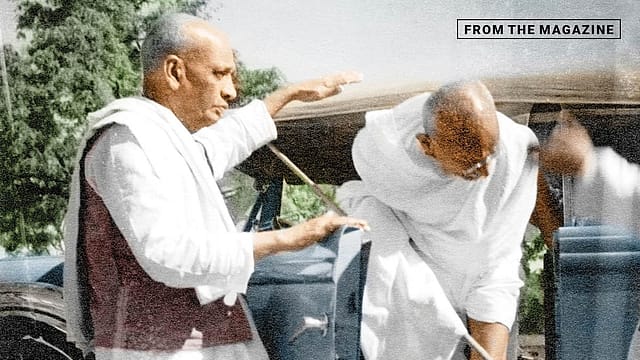
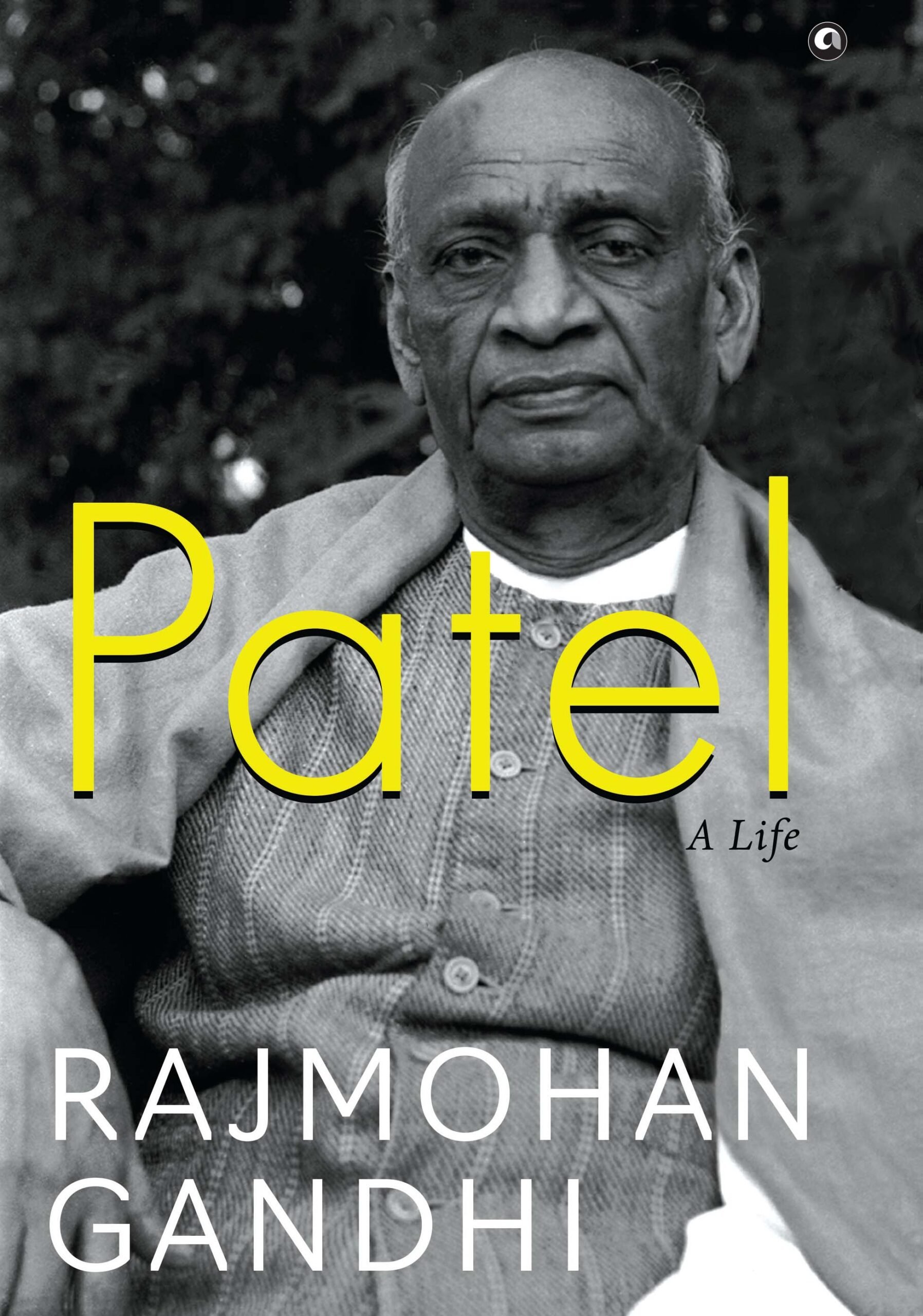
Much of the recent discussion on Sardar Vallabhbhai Patel concerns his “differences” with Jawaharlal Nehru and apparent “cooption” by the Bharatiya Janata Party (BJP) as a practitioner of prakhar rashtrawad (staunch nationalism) the party advocates. His pragmatism and clarity of purpose is set off against Nehru’s fuzzy internationalism and the construction of a 182 metre high Statue of Unity overlooking the Narmada in Gujarat completed BJP’s adoption of the Sardar as a leading mascot.
The saffron “coup” saw a belated bid by commentators and academics opposed to BJP to reclaim Patel’s legacy and counter the implied criticism of Nehruvian politics. Author and academic Rajmohan Gandhi is very much part of the cohort that argues that the Sardar’s “capture” is a political plot. While BJP’s motives can be discussed, the case against Patel’s cooption is weakened by Congress’ continued indifference towards its leading lights outside the Gandhi pantheon. The attempts of the Congress leadership to wrest back Patel are sporadic and not very convincing. The fact is that though the two men worked together and were close to Mahatma Gandhi, their convictions were quite different. It is a reflection of the Sardar’s temperament that he did not let Nehru’s impulsive nature and blind spots rupture the relationship. The latest reprint of Patel: A Life, however, does not much dwell on the relations between Patel and Nehru. First printed in 1991, the debate over Patel and Nehru’s conflicting viewpoints—though hardly recent—was not as much a fraught matter then as it has been since Prime Minister Narendra Modi assumed office in 2014.
Zeroing In on ECI
09 Oct 2026 - Vol 05 | Issue 41
Constitutional legitimacy versus political opportunism
Yet in several passages, the book does bring out Patel’s unsentimental and highly accurate assessment of the Muslim League in the run up to Partition when the author records his dismissal of Mohammad Ali Jinnah’s proposals for joint control of Calcutta and a land corridor connecting east and west Pakistan as untenable. Patel took a while in assessing the situation in Jammu and Kashmir in 1946-47; but once he visited the state, he quickly understood the need for vigorous action. He pointed out that if Pakistan was eager to accept the “accession” of Junagarh where a Muslim ruler presided over a Hindu population, there was nothing in the least improper of Maharaja Hari Singh opting for India.
Where the book scores and fulfils its description as a “magisterial” account for Patel’s life are the details of his childhood, associations with friends and family, education, marriage and early years as a lawyer. The churn of events that drew Patel into Gandhi’s inner circle, and the mutual trust and regard, make for engrossing reading. Being part of the agitations at Kheda and Bardoli, when he stood shoulder to shoulder with Gandhi, the Sardar earned a reputation as a determined and steadfast advocate of farmer rights. His court room skills ensured release of dozens of farmers held on flimsy grounds by a vengeful colonial administration. Yet, even as he was a tough nut, Patel’s more subtle side comes through in his carefully worded letters to British administrators. He knew when it was time to pause and fight another day.
Patel’s appreciation of newly independent India’s interests saw him warn the Nizam of Hyderabad’s representative that an “isolated spot” in the middle of the country could not exist. The straight talk was very different from what the representative had heard from Nehru and VP Menon. Patel was equally clear-eyed and, in hindsight, prudent in correctly assessing the threat that rising communist power in China posed for India and urged Nehru to consider a viable Tibet policy. Not doing so is a folly India is still paying for.