Redemption Act: Mahmood Farooqui’s prison memoir finds freedom and fellowship through theatre

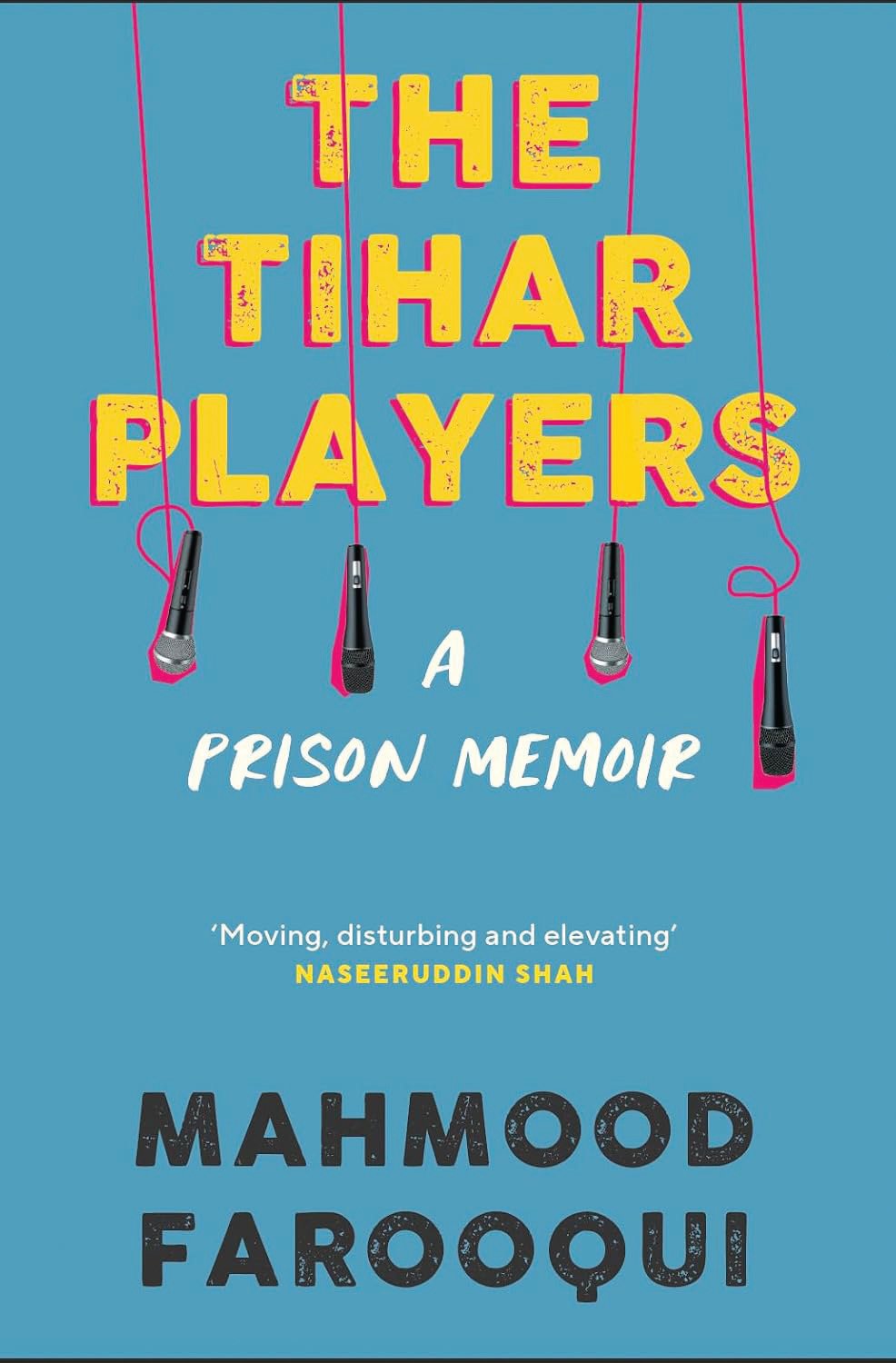
Prison is suffering but rarely can a place bring to a writer such readymade material. It allows for time, and so imposes writing discipline, which comes in bits and spurts in the outside world. Great works can thus have their seed in jail cells, from Jean Genet to Mahatma Gandhi. Mahmood Farooqui’s The Tihar Players is an exceptional account in that vein for the many layers he brings into it.
Take Farooqui’s own story. A boy of ordinary station who couldn’t even speak English properly gets into Doon School through a scholarship, goes to Oxford, returns to India; revives a lost storytelling form called Dastangoi; makes a movie Peepli Live along with his wife (Anusha Rizvi) that becomes a hit; and then gets accused in a rape case, goes to prison, is convicted by a lower court but is eventually acquitted by the high court. The memoir is about his one and a half years in Tihar.

Losing Memory
16 Oct 2026 - Vol 05 | Issue 42
The making of a medical and social emergency
It is a place of humiliation and shame. A prisoner is slapped by a warder and Farooqui finds himself “hypnotized by the spectacle”. “To watch someone’s degradation is the most repellent yet absorbing sight that the jail has to offer. I, too, have found myself sucked into the horror of it,” goes one entry in his journal. He sees the communist activist Kobad Ghandy, but cannot bring himself to go and talk. “I should have spoken to him, I guess. And what, told him that I was here on 376?” Inches of space and small comforts have to be negotiated. Personal razors, for example, are not allowed and barbers don’t use shaving cream and work with heavily used blades. “I have grown a beard rather than subject myself to that.” There are irrational oddities. “The jail administration has this extraordinary rassi (rope) fetish. They can’t stand hanging ropes. If we remove these ropes—it happens every time there is an inspection—where are we to hang our clothes, our towels, our bag?” The saving grace is the discovery that the library is excellent and he can have books.
The memoir begins with his arrest, arrival into prison and the shock of life. Extracts from a diary in first person that he begins to maintain follow. He gets bail but freedom is short-lived as a court sentences him to seven years. In Part Two, he returns as a convict and that is the heart of the book, about finding meaning even in confinement. All convicts have to show they are doing rigorous work. Farooqui decides to teach a drama class. He has a singular ambition, to stage a play called Court Martial. Across that journey, struggling through the red tape of prison administration, the project becomes grander in scope and ambition, until many plays are staged, not just within the jail but, in the end, even in public. He makes actors out of convicts, and even manages to coax the administration to get female prisoners to take part in the plays. The redemption arc is completed long before the news of his acquittal.
Myriad characters populate the book, from men caught in the tragedy of an impulse to policemen who faked encounters. They are all too human, shorn of the act that defined them. Farooqui finds brotherhood, influence and even a sort of elite status until he worries that once he leaves, he might not be able to retain all that he discovered in jail. There are meditations on the idea of a prison and the book is powerful in laying bare the innards of Tihar as an efficiently run bleak house, neither entirely hell nor humane, a purgatory where you can choose to get lost or find yourself.