School of Life
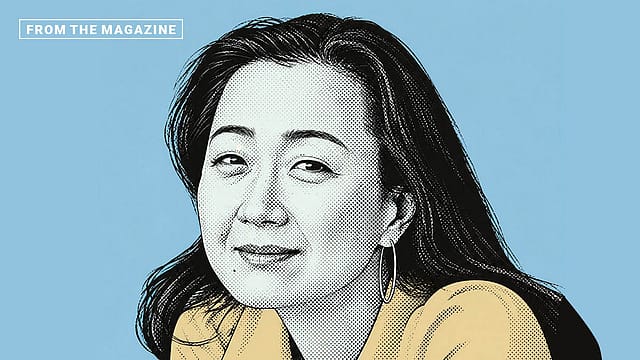
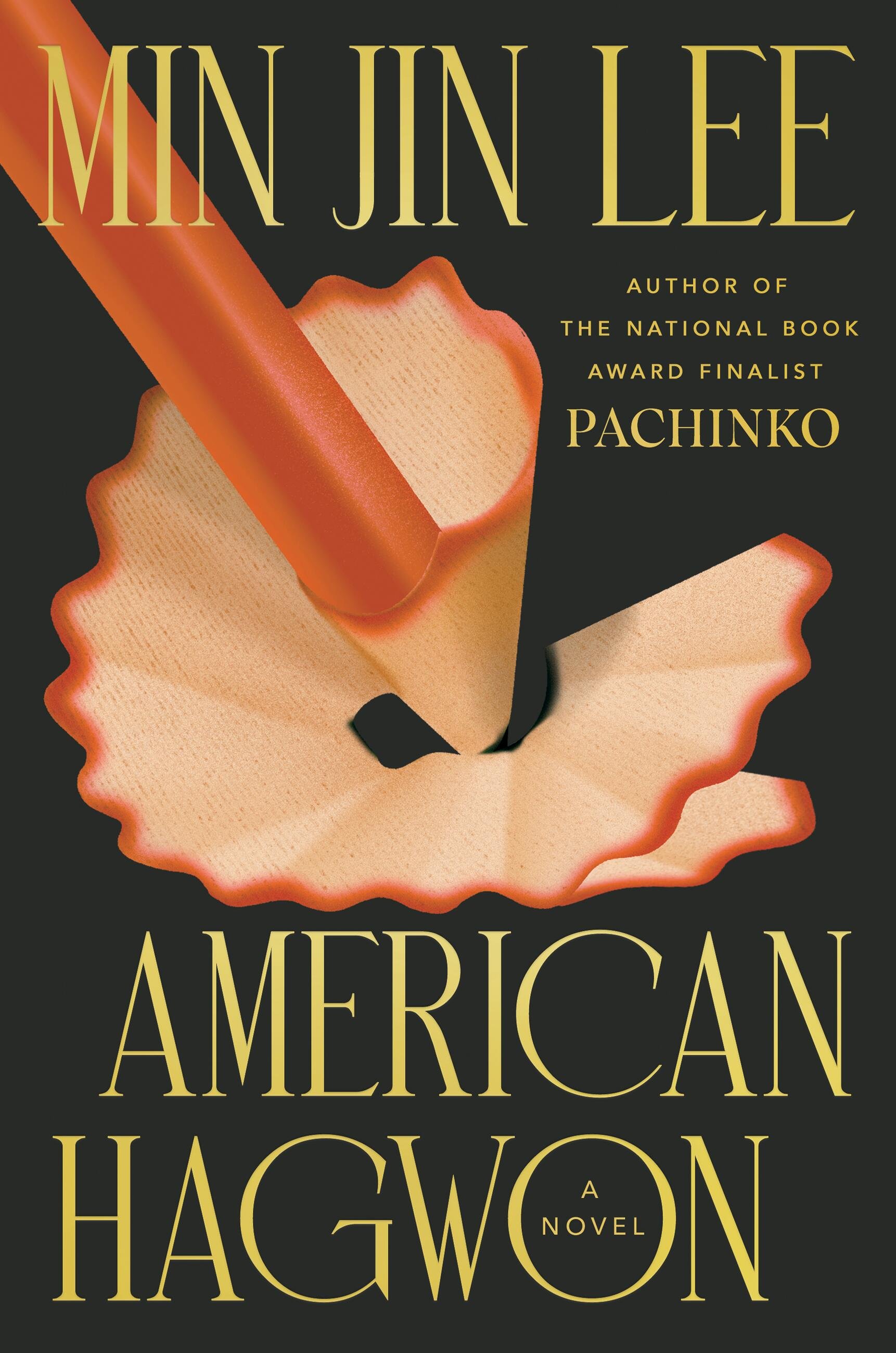
Yun and her mother Nari share a love for K-drama and soaps. Renting videos by the bagful, they follow the stories, laugh and cry with the characters, and bear witness their victories. The stories they watch are dramatic but so are their lives—abounding in hardships and riches-to-rags turns of events. The soaps serves as their catharsis much like the novel in which they are nestled among a host of other characters: American Hagwon, Korean-American author Min Jin Lee’s latest novel.
American Hagwon too evokes a soap opera on paper—a multi-generational story sprawling across three continents and almost two decades. Lee has a proven mastery over such expansive storytelling with her debut novel Free Food for Millionaires (2007) and more powerfully with Pachinko (2017), which was adapted into the hit Apple TV+ prestige drama of the same name. Nine years later, American Hagwon is equally ambitious in its survey of Korean immigrants and the worlds they inhabit.

Zeroing In on ECI
09 Oct 2026 - Vol 05 | Issue 41
Constitutional legitimacy versus political opportunism
Set in the 1990s and 2000s, the story primarily follows the Koh family. John and Helen return to Korea with their three children—Bo, DH and Mido—after living in the US and Australia. But their friend’s indiscretions costs John his career and scatters the family—their eldest son Boh remains in Seoul to find a spot in a top Korean college and their second son DH lands in the US on a private scholarship. Mido returns to Sydney with her parents. John and Helen are desperate to secure their children’s futures; the young Kohs match their parents’ determination.
Amid financial hardships, the family finds their respite in hagwons, private institutions popular among Koreans to supplement schooling. In Seoul, the Eagle Academy becomes a way for the Koh children to acclimatise. When another stroke of bad luck forces the family to move to California, they find refuge at Exodus—a hagwon run by Lion, a musician and entrepreneur, and boyfriend to Mido’s childhood friend Yun (whose family moves from Seoul in the wake of their own misfortunes). Bo and Mido find their footing as instructors in Exodus (and later at its outpost, Fortress) as their parents turn to working-class jobs and DH makes his own way through Yale. The hagwon become the epicentre of their friendships, relationship and aspirations.
In Lee’s flourishing style, American Hagwon folds anxieties about immigration, ambition and education into a family saga where the choices of every generation ripple into the next. It details the lives of not only the Koh family but also their friends, lovers, siblings and even enemies. The operatic scope is both its allure and its undoing.
Comparisons to Pachinko are inevitable but Lee’s sophomore novel referenced an extraordinary history and its characters sparkled in their complexities. In comparison, characters in American Hagwon are often virtuous to a fault. The hagwon administrators are critical of the relentless pursuit of elite education and its impact on young minds and bodies. Characters like Peter and Lion challenge the importance accorded to Ivy League colleges while Mido defies the very indispensability of college degrees. Keenly aware of their enterprise’s profiteering nature, they mentor students without any means and advocate ad nauseam for compassionate and democratic education.
In learning as much as teaching, characters repeatedly find emancipation in American Hagwon. Education uplifts people from poverty, loneliness and personal tragedies. It’s certainly an armour for immigrants—not only Koreans but people from other countries who harbour similar dreams.
The grand narrative and moral lessons often weigh down the plot and the subject is much too complex for the novel to resolve. Yet, Lee’s characters do embody the many ways in which people can find success and fulfilment. Their idealism is intertwined with optimism.