In Memoriam: Marjane Satrapi (1969-2026)
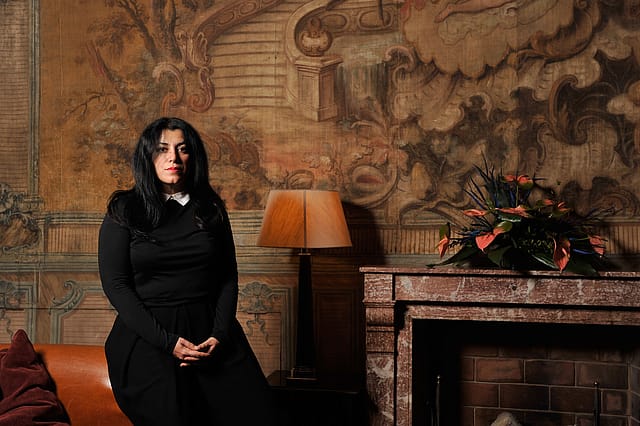
Marjane Satrapi never quite liked saying good-bye. As she had written, in Persepolis, it felt a little like dying. The French-Iranian author, artist and filmmaker died on June 4, at the age of 56. A statement released by her family mentioned that she had died of “sadness.” It has been a little over a year since her husband, the Swedish producer Mattias Ripa, died in April 2025—the loss had devastated the artist.
Satrapi was born in Iran in 1969, living in Tehran for most of her early life. Growing up in a progressive, politically-active family, she bore witness to the restrictions and atrocities of the Islamic Republic and its treatment of women. A lifelong critic of Iran’s clerical establishment, Satrapi’s mutinies began in her early years—be it resisting the veil or accessing banned music—before she moved to Vienna at the age of 14, at the behest of her family. Later on, she moved to France and eventually became a citizen.

The Health and Wellness Issue
25 Sep 2026 - Vol 05 | Issue 39
Satrapi’s childhood experiences and adolescence became the source material for the Persepolis graphic novels—her seminal work first published between 2000 and 2003. The highly acclaimed black-and-white graphic novels, which have also been occasionally banned, have sold millions of copies and inspired a generation of artists and graphic novelists who came after. The works resonated with countless readers, and particularly women, who resonated with Satrapi’s witty and poignant coming of age story and her contemplations of selfhood, freedom and belonging—a personal history transformed into a universal story. Satrapi went on to co-direct an animated adaptation of Persepolis with Vincent Paronnaud in 2007, which received the Jury Prize at Cannes Film Festival and an Academy Award nomination for Best Animated Feature.

Besides, Persepolis, which remains Satrapi’s most beloved work, her other books include Embroideries and Chicken with Plums. She also continued to make movies, including commercial projects with Hollywood A-listers such as The Voices, a comedy starring Ryan Reynolds and Anna Kendrick, and Radioactive, a 2020 biopic of Marie Curie with Rosamund Pike in the lead role.
Throughout her life, Satrapi advocated for women’s rights and freedom of expression throughout her career, joining protests and voices of dissent and conflating it with her art. Years after <Persepolis>, she created the collaborative book, Woman, Life, Freedom, in the wake of protests following Mahsa Amini’s death. Making her politics personal, Satrapi built a body of work brimming with intelligence, lived experience, wit and rebellion against injustice.