Why Has OPEC+ Decided to Pump More Oil? Will It Make Petrol Cheaper?
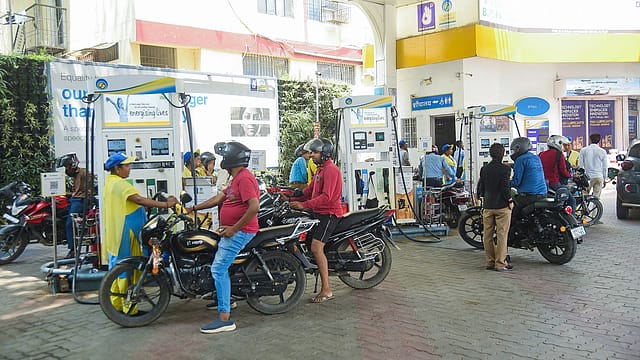
The world's biggest oil producers are turning the taps on a little more. OPEC+ has agreed to increase oil production by 188,000 barrels a day from September, saying the move is aimed at keeping global oil markets stable.
For India—the world's third-largest importer of crude oil—the decision matters because oil prices influence everything from petrol and diesel costs to inflation and the country's import bill.
Here's what the latest OPEC+ decision means.
What has OPEC+ announced?
Seven OPEC+ members—Saudi Arabia, Russia, Iraq, Kuwait, Kazakhstan, Algeria and Oman—have agreed to raise oil production by 188,000 barrels per day beginning in September. The increase is part of the group's plan to gradually unwind voluntary production cuts introduced in 2023.

Rise of the Pivotal Power
18 Sep 2026 - Vol 05 | Issue 38
The BRICS declaration is a strategic victory for Modi
Why is OPEC+ increasing production now?
According to the producer group, the decision is intended to support stability in global oil markets. The additional output will also help participating countries compensate for earlier periods when some members produced more oil than their agreed quotas.
Will this bring down crude oil prices?
Not necessarily. Increasing supply generally helps ease upward pressure on prices, but oil prices also depend on global demand, geopolitical tensions, shipping disruptions and economic growth. If demand remains strong or fresh geopolitical risks emerge, prices could remain elevated despite higher production.
Why does this matter for India?
India imports around 85% of its crude oil requirements. When global crude prices rise, India's import bill increases, adding pressure on inflation, the rupee and government finances. Lower or stable oil prices, on the other hand, can ease inflationary pressures and support economic growth.
Will petrol and diesel become cheaper?
There is no immediate guarantee. Retail fuel prices in India depend on several factors, including global crude prices, taxes, refining costs and decisions by oil marketing companies. A modest increase in global oil supply does not automatically translate into lower prices at the pump.
What happens next?
OPEC+ has said it will continue reviewing market conditions every month. Its next meeting is scheduled for September 6, when the group will decide whether further production adjustments are needed based on global demand and price trends.
Why does this matter?
Oil isn't just about fuel. Crude prices influence transportation costs, manufacturing, airline fares, fertiliser prices and inflation across the economy. That is why every OPEC+ production decision is closely watched—not just by energy markets, but also by governments, central banks and businesses around the world.
(With inputs from ANI)