Why a 1991 India-Pakistan pact is back in focus after naval ships collided in the Arabian Sea
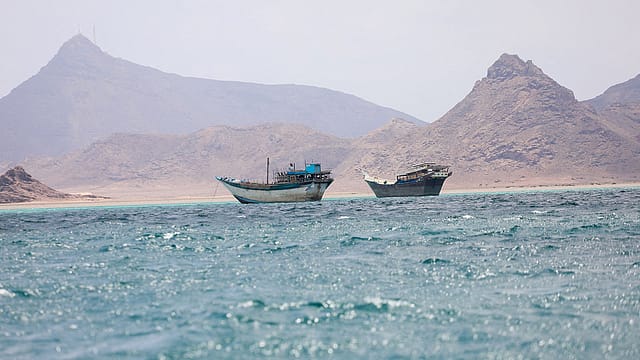
Imagine two nuclear-armed neighbours, separated by a history of wars and mistrust, meeting not across a border fence but in international waters.
That is the backdrop to the latest India-Pakistan flashpoint after a Pakistani naval vessel collided with an Indian Navy unit in the Arabian Sea, prompting India to summon Pakistan's top diplomat and lodge a formal protest. New Delhi described the conduct of the Pakistani naval ship as "unacceptable and unprofessional" and said it violated a bilateral agreement signed in 1991 to prevent exactly such incidents.
So what happened, and why is a 35-year-old agreement suddenly back in the spotlight?
India-Pakistan naval collision: What happened in the Arabian Sea?
According to India's Ministry of External Affairs (MEA), the incident took place in international waters in the northern Arabian Sea during what officials described as a routine Indian surveillance mission. India says a Pakistani naval vessel approached at high speed and manoeuvred in an unsafe manner, resulting in a collision with an Indian Navy unit.

Zeroing In on ECI
09 Oct 2026 - Vol 05 | Issue 41
Constitutional legitimacy versus political opportunism
No major damage or casualties have been reported, but New Delhi treated the episode seriously enough to summon Pakistan's Charge d'Affaires and issue a formal diplomatic protest. India has also instructed its mission in Islamabad to raise the matter with Pakistan's Foreign Ministry.
What is the 1991 India-Pakistan military pact?
The agreement at the centre of the dispute is the Agreement on Advance Notice on Military Exercises, Manoeuvres and Troops Movements, signed in April 1991.
The pact was one of several confidence-building measures introduced after decades of military tensions between India and Pakistan. Its purpose was simple: reduce the risk of misunderstandings, accidental escalation and military incidents by ensuring transparency in military activities.
Although signed long before today's geopolitical realities, the agreement remains one of the key mechanisms governing military conduct between the two countries.
What does Article 10 of the 1991 agreement say?
India has specifically cited Article 10 of the agreement. According to the MEA, the Pakistani vessel's actions were in "direct contravention" of this provision. While the government has not publicly released detailed operational specifics of the incident, Article 10 broadly requires military units to exercise caution and avoid actions that could create dangerous situations or misunderstandings between the armed forces of the two countries.
Indian officials argue that the Pakistani ship's high-speed manoeuvre violated the spirit and provisions of the agreement designed to prevent unsafe military encounters.
Why is this collision more than just a maritime accident?
On the surface, the collision appears limited. No major damage has been reported, and neither side has indicated any military escalation.
But experts often note that incidents involving military units from India and Pakistan carry significance because they occur against a backdrop of recurring tensions over security, borders and regional stability.
The Arabian Sea is one of the world's most strategically important waterways. It links India and Pakistan to major shipping routes connecting the Gulf, Africa and Asia. Naval interactions in these waters are therefore closely watched by defence planners and diplomats alike.
Have India and Pakistan invoked this agreement before?
Yes. The 1991 agreement has surfaced in previous military disputes, including incidents involving aircraft and naval operations. It forms part of a broader framework of confidence-building measures that both countries have relied on to manage risks during periods of heightened tension.
The fact that India immediately referenced the agreement in its protest suggests New Delhi wants to frame the incident not merely as a navigational error, but as a breach of an established bilateral understanding.
What happens next after the India-Pakistan naval collision?
For now, the confrontation remains diplomatic rather than military.
India has demanded greater caution from Pakistani military units and urged adherence to existing agreements to prevent a repeat. Pakistan has not publicly issued a detailed response to India's allegations so far.
Yet the episode is a reminder of why confidence-building agreements exist in the first place. In a region where a routine patrol can suddenly become an international headline, even a collision that causes little physical damage can carry far larger diplomatic consequences.
In the Arabian Sea this week, it was not the impact of steel on steel that mattered most. It was the question that followed: were the rules meant to prevent such encounters actually followed?
(With inputs from agencies)