Who Was Lobga Rangzen? Why Tibetans Across the World Are Honouring Him a Month After His Death
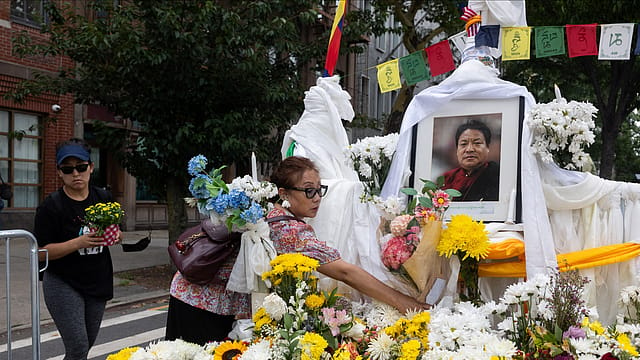
A month after his death, Lobga Rangzen's message continues to resonate.
Hundreds of Tibetans and supporters gathered in New York City for a candlelight vigil to honour the Tibetan independence activist, who died after self-immolating outside the United Nations headquarters on July 2. The gathering was not just a memorial. It also became a renewed appeal for Tibetan independence, with participants accusing China of intensifying efforts to suppress Tibet's identity, language and culture.
Here's what happened and why the event matters.
Who was Lobga Rangzen?
Lobga Rangzen was a long-time advocate of Tibetan independence. According to organisers, he believed Tibet's loss of sovereignty lay at the heart of the political, cultural and religious challenges faced by Tibetans. He died after self-immolating outside the UN headquarters in New York on July 2, an act supporters described as a final protest in support of an independent Tibet.
The Modi Years
02 Oct 2026 - Vol 05 | Issue 40
A Nation Rebuilt
Why was the New York vigil significant?
The day-long commemoration, organised by the Tibetan National Congress (TNC), brought together hundreds of Tibetans and supporters from across the United States. The event also drew prominent figures, including actor and long-time Tibet supporter Richard Gere, Hong Kong democracy activist Alex Chow, elected representatives and members of the Uyghur, Southern Mongolian and Taiwanese communities, who expressed solidarity with Tibetans.
What happened during the commemoration?
According to Phayul, the programme began with Tibetan participants performing traditional full-body prostrations from the Brooklyn Bridge to Times Square. Members of Students for a Free Tibet (SFT) also staged a symbolic "die-in" to commemorate the 171 Tibetans who have self-immolated since 2009 in protest against Chinese rule. As night fell, hundreds marched silently from Times Square to the United Nations headquarters carrying candles. Many wore white scarves covering their mouths, symbolising what organisers described as the silencing of Tibetan voices inside Tibet and the international community's silence on the issue.
What concerns did organisers raise?
Speakers criticised what they described as China's tightening control over Tibet and condemned policies they said promote cultural assimilation. They also objected to China's recently enacted Ethnic Unity and Progressive Law, arguing that it institutionalises measures targeting Tibetans and other non-Han communities. Organisers further alleged that restrictions on monasteries, expanding boarding schools and limits on the use of the Tibetan language threaten the region's cultural and religious identity.
What did Richard Gere say?
Richard Gere paid tribute to Lobga Rangzen, describing him as a man of unwavering conviction. According to Phayul, Gere acknowledged that self-immolation is a deeply controversial act within Buddhist tradition but said Rangzen's sincerity and commitment could not be questioned. Rather than urging similar sacrifices, Gere encouraged supporters to continue raising awareness by engaging with elected representatives, communities and the wider public. He ended his remarks by recalling Rangzen's words, "Nga Bhoepa Yin" ("I am a Tibetan"), urging those present to carry that message forward.
Were similar events held elsewhere?
Yes. According to Phayul, Tibetan communities in several countries organised memorial events to mark one month since Rangzen's death. In Dharamshala, home to the Tibetan government-in-exile, members of the Tibetan diaspora held a candlelight march from McLeod Ganj to Bhagsu, paying tribute to Rangzen while renewing calls for justice and the protection of Tibet's cultural and religious identity.
(With inputs from ANI)