‘War Has Costs’: Iran Imposes $2 Million Toll on Strait of Hormuz Shipping
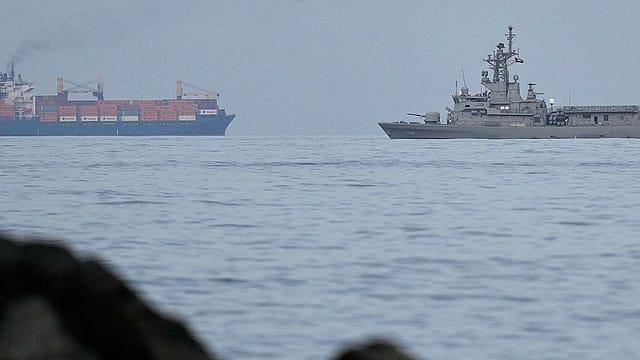
Iran has announced a $2 million transit fee on select vessels passing through the Strait of Hormuz, in a bid to leverage its control on one of the world’s most critical maritime choke points amid its ongoing conflict with the United States and Israel.
The toll, equivalent to approximately Rs 18.8 crore, has already been implemented, according to Iranian lawmaker Alaeddin Boroujerdi, a member of the parliament’s national security committee.
Speaking to state broadcaster Islamic Republic of Iran Broadcasting, as reported by Iran International, Boroujerdi described the move as part of a new “sovereign regime” in the strait.

Losing Memory
16 Oct 2026 - Vol 05 | Issue 42
The making of a medical and social emergency
“Now, because war has costs, naturally we must do this and take transit fees from ships passing through the Strait of Hormuz,” he added, claiming the move shows the Islamic Republic's “authority”.
What did Masoud Pezeshkian say about the Strait of Hormuz and US threats?
Iranian President Masoud Pezeshkian also issued a strong statement, taking a jab at US President Donald Trump.
In a post on X, he said, “The illusion of erasing Iran from the map shows desperation against the will of a history-making nation."
"Threats and terror only strengthen our unity. The Strait of Hormuz is open to all except those who violate our soil. We firmly confront delirious threats on the battlefield," he added.
Iran’s Foreign Minister Seyed Abbas Araghchi maintained that navigation in the strait remains open, while criticising the impact of the ongoing conflict on trade and insurance.
In a post on X, he said, “Strait of Hormuz is not closed. Ships hesitate because insurers fear the war of choice you initiated--not Iran."
"No insurer--and no Iranian--will be swayed by more threats. Try respect. Freedom of Navigation cannot exist without Freedom of Trade. Respect both--or expect neither," he added.
Speaker of the Iranian Parliament Mohammad Baqer Qalibaf warned that financial backers of the US military would be considered targets.
In a post on X, he said, “Alongside military bases, those financial entities that finance the US military budget are legitimate targets."
"US treasury bonds are soaked in Iranians' blood. Purchase them, and you purchase a strike on your HQ and assets. We monitor your portfolios. This is your final notice," he added.
On the American side, US Treasury Secretary Scott Bessent defended Washington’s capacity to sustain military operations.
Speaking to NBC News, he said, “President Trump was within his authority under the War Powers Act to initiate this action, and we actually now have plenty of money to fund this war. What we are doing is supplemental.”
Will Iran close the Strait of Hormuz indefinitely amid escalating military threats?
The conflict, now entering its fourth week, has triggered fresh warnings from Iran’s military establishment.
According to CNN, the Iranian Armed Forces headquarters said it is prepared to close the Strait of Hormuz “indefinitely” if the United States threatens to bomb Iranian energy facilities.
The military said the Strait of Hormuz would remain completely closed and not reopen until Iran’s destroyed power plants are rebuilt.
The developments follow a warning from Donald Trump on Saturday that the United States would bomb Iranian infrastructure if the Strait of Hormuz was not kept open to shipping within 48 hours.
US Central Command said American forces are destroying Iranian naval targets that threaten international shipping in and near the strait.
(With inputs from ANI)