UN Sounds Alarm: El Niño Threat Looms Over with 90% Certainty
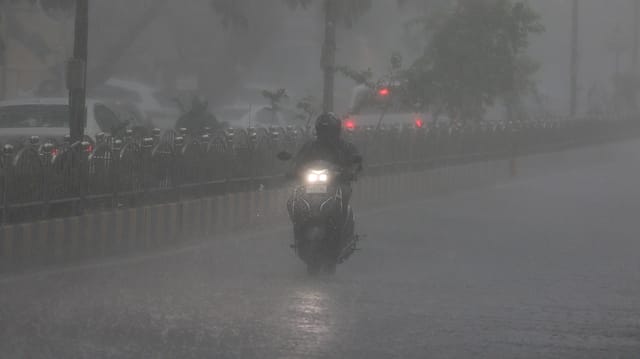
A climate event powerful enough to reshape weather patterns across every continent is no longer a distant forecast.
The United Nations weather agency has confirmed that El Niño is arriving with near-certainty, and the window to prepare is closing fast. With global temperatures already at record highs and food systems under strain, the timing could scarcely be worse.
What Is El Niño and Why Does It Matter Right Now?
El Niño is a periodic warming of sea surface temperatures in the central and eastern Pacific Ocean.
The Super El Niño of 2026 Could Be the Most Destructive in a Century. Is the World Ready?
It typically occurs every two to seven years, lasts around nine to twelve months, and disrupts rainfall, agriculture, and temperature patterns across dozens of countries simultaneously.
What Has the UN Warned?
According to the World Meteorological Organization's latest update, there is an 80% likelihood of an El Niño event during June to August 2026, with probabilities of it continuing until at least November near or above 90%.
WMO Secretary-General Celeste Saulo said the most recent El Niño, in 2023 to 2024, was one of the five strongest on record and contributed directly to 2024 becoming the hottest year ever recorded, as per Reuters.

Exclusive: To the Heavens and Back
19 Jun 2026 - Vol 04 | Issue 76
Shubhanshu Shukla relives the space odyssey that put India into orbit
Which Parts of the World Face the Worst Disruption?
Drier and hotter conditions are expected across Australia, Indonesia, Central America, and parts of South Asia, where below-average monsoon rainfall is already being forecast.
Above-normal temperatures are projected across nearly all parts of the globe during the June to August season.
Could El Niño Push Food Prices Even Higher?
El Niño could significantly reduce crops in Ecuador and West Africa, which together account for 60% of global cocoa output. For consumers already facing inflation, further food price pressures are a credible risk.
How Does Climate Change Make El Niño More Dangerous?
Climate change does not increase El Niño's frequency but amplifies its impact. UN Secretary-General António Guterres warned that El Niño conditions will "pour fuel on the fire of a warming world", according to Reuters.
Is There Still Time for Governments to Prepare?
Early warning systems are vital to saving lives and cushioning economic damage. The question is not whether El Niño is coming. The question is whether governments act before the window closes.
(With inputs from yMedia)