Trump’s Iran Diplomacy is Testing Gulf Patience: Why America’s Arab Allies Are Losing Faith
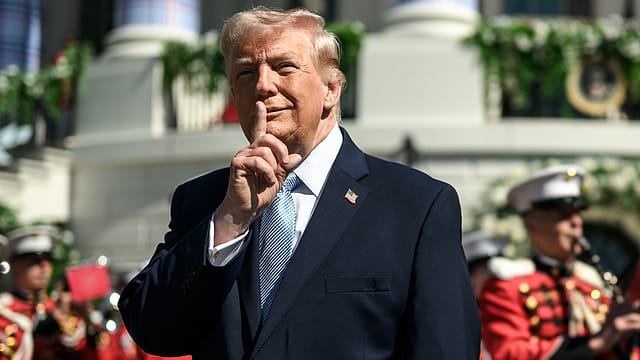
Donald Trump says he is “low-keying it”. America’s allies in the Gulf are anything but relaxed.
Saudi Arabia, Qatar and the UAE helped pull the US back from another major attack on Iran earlier this month, hoping the reprieve would open a path to a ceasefire and restore shipping through the Strait of Hormuz. Trump claimed the “perimeters” of an agreement were in place.
That agreement has not arrived. Iran and Oman are negotiating new shipping lanes, but Tehran insists those technical talks do not amount to reopening the strait. US-Iran negotiations remain stalled. Meanwhile, the economic and security costs of the confrontation continue to spread across the region. Arab and Western officials now say frustration with Washington is mounting, with Gulf leaders questioning whether Trump can manage the diplomacy required to secure a durable settlement, according to The Washington Post. The White House rejects that assessment, insisting Trump maintains “extraordinary relationships” with America’s Gulf partners. The public displays of unity, however, cannot conceal a deeper disagreement: what exactly is Washington trying to achieve, and how long must the Gulf wait for it?

The Age of Anger
31 Jul 2026 - Vol 05 | Issue 31
A raging generation makes the government relent. What's next?
Why are Gulf countries losing patience with Trump?
Because Washington has repeatedly appeared close to either a military escalation or a diplomatic breakthrough, only for neither to deliver a resolution. On August 2, Trump said he had cancelled plans for what he described as the largest US attack since World War II after appeals from Saudi Arabia, Qatar and the UAE. Gulf leaders preferred negotiations because another American strike could provoke Iranian retaliation against their territory, energy infrastructure and shipping. Trump said the outlines of an agreement had been reached. That proposed arrangement was expected to reopen the Strait of Hormuz, end attacks across the region and restart negotiations over Iran’s nuclear programme. Nearly two weeks later, the strait remains severely disrupted, Washington and Tehran remain far apart and mediators are still attempting to establish the terms of talks. The delays matter because the Gulf states are carrying much of the immediate risk. Their ports, oil installations, cities and shipping routes would be among Iran’s first potential targets if the conflict escalated again.
What does Trump mean when he says the US is “low-keying it”?
Trump appears to be betting that economic pressure will force Iran to make concessions without another full-scale American offensive. “We are only semi-negotiating with them,” Trump told Axios, adding that Washington was watching Iran struggle with high inflation and dwindling financial resources. His comments were also reported by Reuters. The strategy combines military pressure, sanctions and a naval blockade with limited diplomatic engagement. Washington’s calculation appears to be that Tehran will eventually conclude that reopening Hormuz and negotiating with the US are preferable to prolonged economic strangulation. The risk is that Iran may reach the opposite conclusion. Tehran could continue restricting maritime traffic, demand greater concessions or use attacks on shipping and regional infrastructure to raise the price of America’s pressure campaign. For Gulf governments, “low-keying it” still leaves them trapped inside a dangerous confrontation with no clear end date.
Why has the Strait of Hormuz become the heart of the crisis?
Because control of Hormuz now carries military, economic and symbolic power. Before the war, roughly one-fifth of the world’s traded oil and natural gas passed through the strait. Severe disruption to that traffic has pushed up shipping costs, fuel prices and the cost of basic goods far beyond the Middle East. Washington wants freedom of navigation restored without recognising Iranian control over an international waterway. Tehran says the strait cannot return to its pre-war arrangement and is demanding a greater role in regulating passage. The original American objectives included preventing Iran from acquiring a nuclear weapon and weakening or toppling its government. Those ambitions have since been overtaken by a more immediate priority: getting Hormuz open again. Vice President JD Vance recently described keeping oil and gas affordable for Americans as Washington’s “goal number one”, according to The Associated Press. The war that began over Iran’s nuclear and military power has therefore narrowed into a struggle over one of the world’s most consequential shipping corridors.
Are the Iran-Oman talks close to reopening Hormuz?
No. They may produce a shipping route, but that does not mean the strait will reopen. Iranian Foreign Minister Abbas Araghchi says Tehran and Muscat are discussing the technical designation of new navigation lanes because the previous routes are no longer operational. Negotiators are working first on a temporary corridor that could later become permanent. Araghchi has explicitly separated those discussions from the political decision to reopen Hormuz. He says traffic will resume only after Washington meets Iran’s other conditions. Those reported demands include ending the US naval blockade, allowing Iran to resume oil exports, easing sanctions, releasing frozen Iranian funds and addressing compensation for war damage. An earlier proposal envisaged vessels entering the Gulf through an Iranian-controlled route and leaving through an Omani-controlled route. Iran also wanted fees for security and environmental services. Washington opposed any arrangement that legitimised Iranian control or allowed Tehran to levy charges, according to an Associated Press report. The distinction is crucial: agreeing where ships could sail is easier than agreeing who controls the waterway and under what conditions.
Do all Gulf states agree on how Trump should handle Iran?
No. They share the desire for stability, but differ sharply over how to produce it. Saudi Arabia has pushed for de-escalation. Crown Prince Mohammed bin Salman personally urged Trump to hold back from fresh strikes, warning that escalation could damage the global economy and expose Gulf countries to Iranian retaliation. Qatar has also been central to mediation, working with Iran, the US and Oman to find a formula for reopening Hormuz and preventing the conflict from widening. The UAE has reportedly favoured a tougher approach. According to regional officials cited in news reports, Abu Dhabi believes Iran’s Islamic Revolutionary Guard Corps will make meaningful concessions only when confronted with greater military pressure. That leaves Trump navigating two competing arguments. Riyadh fears a military attack could ignite a wider regional war. Abu Dhabi fears diplomacy without sufficient force could reward Iran and cement its power over Hormuz.
Why are Trump’s sudden shifts causing unease?
Trump has alternated between threatening overwhelming military action, announcing that an agreement is close and then saying the US is barely negotiating. On August 1, he warned that Washington was losing faith in diplomacy and could hit Iran “very hard”. A day later, after speaking to Gulf leaders, he cancelled the planned attack and presented a deal as imminent. Days later, Trump said his administration was “semi-negotiating” and waiting for Iran’s economy to deteriorate. These abrupt changes may be intended to keep Tehran guessing. They also make it difficult for America’s allies to understand whether Washington’s next move will be another bombing campaign, a negotiated compromise or months of economic attrition. The uncertainty complicates military planning, energy policy, investment decisions and backchannel diplomacy across the Gulf.
Why are Austria and Greece suddenly involved?
Their involvement reveals how desperate the search for a diplomatic opening has become. US Secretary of State Marco Rubio recently spoke with the foreign ministers of Austria and Greece. Both officials then contacted Araghchi. A European diplomat told The Washington Post that the timing was not accidental. Austria carries diplomatic significance because Vienna hosts the International Atomic Energy Agency and hosted the final negotiations that produced the 2015 Iran nuclear agreement. Greece is a major maritime nation with a direct interest in safe passage through Hormuz and the Red Sea. Neither country is acting as a formal mediator. Their outreach reflects an expanding international effort to persuade both sides to step away from what International Crisis Group’s Ali Vaez described to The Washington Post as a “reckless game of chicken”.
What does Iran want?
Iran wants to turn its control over shipping into leverage. Tehran is seeking relief from the American naval blockade, the restoration of its oil exports, sanctions relief and recognition of a stronger Iranian role in managing the strait. It also wants guarantees that Washington will comply with any new agreement. Iranian officials argue that previous arrangements collapsed because the US failed to fulfil its commitments. Washington, in turn, accuses Tehran of imposing new conditions and attempting to convert a temporary maritime arrangement into permanent control over Hormuz. Iranian President Masoud Pezeshkian has also accused the US and Israel of trying to turn Gulf countries against Tehran. His appeal to regional solidarity suggests Iran wants its Arab neighbours to pressure Washington, while warning them against joining another military campaign.
What does Washington want?
The US wants Iran to reopen the strait without receiving political or financial rewards that could be portrayed as an American defeat. Washington also wants Tehran to halt attacks on ships and regional countries, accept restrictions on its nuclear programme and stop using allied armed groups to pressure US partners. The problem lies in the exchange. Iran wants American concessions before fully reopening Hormuz. Washington wants the strait reopened before conceding anything substantial. Both sides are therefore treating access to the waterway as leverage, leaving mediators trying to solve a diplomatic Catch-22.
Could the US attack Iran again?
Yes. Trump has suspended another major strike, but he has not abandoned the military option. The United States continues to maintain forces in the region, enforce its blockade and apply economic pressure. The White House can argue that negotiations remain possible while preserving the ability to resume large-scale operations if diplomacy fails. A fresh attack, however, could prompt Iran to intensify its restrictions on Hormuz, strike Gulf energy infrastructure or target American forces and partners across the region. That is precisely the outcome Saudi Arabia and Qatar have been trying to prevent.
What happens next?
The immediate test is whether Iran and Oman can finalise a temporary maritime route and whether Washington will accept the political conditions attached to it. If the shipping arrangement succeeds, it could create enough confidence to restart broader US-Iran negotiations. Those talks would still have to confront the naval blockade, sanctions, Iran’s oil exports, compensation demands, regional attacks and the nuclear programme. If the maritime talks fail, Trump will face three unpalatable choices: maintain a costly stalemate, offer concessions that Iran can sell as a victory, or return to military escalation. For the Gulf states, the question is becoming increasingly urgent. They helped stop the next attack. They are still waiting for Trump to produce the peace that was supposed to follow.
(With inputs from ANI)