Trump Weighs Fresh Tariffs on India and China: What is Behind the US Trade Investigation?
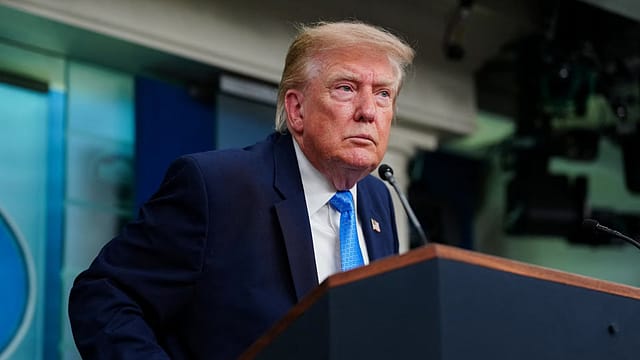
The Donald Trump administration is considering raising tariffs on India, China and several other countries following an investigation into alleged unfair industrial subsidies, according to a report by The Wall Street Journal.
US Trade Representative Jamieson Greer could announce the findings of the investigation as early as this week, with China likely to face some of the highest tariffs, the report said.
The probe was launched in March by the Office of the United States Trade Representative (USTR) and covers 16 economies. It examines whether government subsidies and other industrial policies give foreign manufacturers an unfair advantage over American companies.
The investigation was initiated under Section 301 of the Trade Act of 1974, which empowers the USTR to investigate foreign trade practices considered unfair or discriminatory and recommend measures, including tariffs, in response.

The Wealth Issue 2026
06 Nov 2026 - Vol 05 | Issue 45
Portraits of Dreamers and Doers under 35
INDIA AMONG 16 ECONOMIES UNDER INVESTIGATION
The investigation covers China, the European Union, India, Japan, South Korea and Mexico, among other economies. Taiwan, Vietnam, Thailand, Malaysia, Cambodia, Singapore, Indonesia, Bangladesh, Switzerland and Norway are also included.
Greer had earlier indicated that the investigations could lead to fresh tariffs on several major trading partners.
The USTR said the inquiries would focus on economies where there was evidence of structural excess capacity and production across manufacturing sectors. This could include persistent trade surpluses or industrial facilities operating below capacity or remaining unused.
The administration is examining whether such practices allow foreign manufacturers to produce goods at costs that undermine American industries.
INDIA ALREADY FACES ADDITIONAL US DUTIES
The latest investigation adds another layer of uncertainty to India-US trade relations. In July, the USTR had imposed an additional 10 per cent ad valorem duty on imports from India under the same provision.
Earlier this month, a senior Indian government official said the US had assured New Delhi that India would enjoy a comparative tariff advantage over competing economies under the proposed bilateral trade agreement.
“The US has assured India of a comparative tariff advantage over its competitors in the trade deal. We will have to see how the tariff framework unfolds,” the official said.
However, the official cautioned that the advantage would depend on the final tariff structure, particularly as the outcome of the second investigation initiated by the USTR against India was still awaited.
INDIA-US TRADE DEAL TALKS CONTINUE
India is seeking to conclude the first tranche of its trade agreement with the US by the end of the current financial year, the official said.
Negotiations are continuing simultaneously on the first tranche and the broader Bilateral Trade Agreement (BTA).
The findings of the Section 301 investigation could influence the tariff framework being negotiated between the two countries. Any fresh duties imposed on Indian goods could also complicate New Delhi’s efforts to secure favourable market access for its exporters.
With inputs from ANI