Jensen Huang disclosed more affairs to Nvidia board: At least four reported before CEO comeback
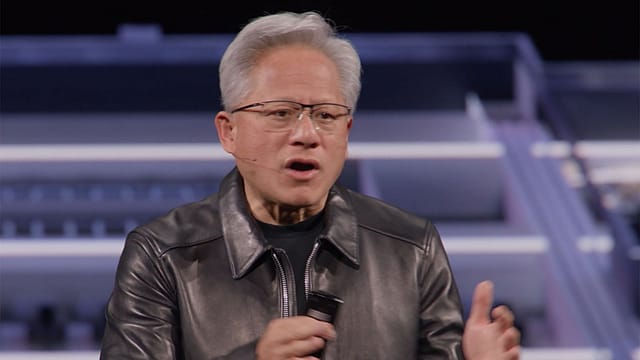
The comeback of Jensen Huang at Nvidia has been almost as dramatic as the controversy that forced him out. On November 12, the co-founder of the world’s most valuable chipmaker stepped down amid reports of extramarital relationships, including one involving a woman suspected by US authorities of having links to Chinese intelligence. Eleven days later, he was back in the corner office.
But the latest twist is not simply that Huang has returned. A Wall Street Journal report says he disclosed additional affairs to Nvidia’s board beyond the relationships that had already become public. The revelations have added another layer to a controversy that now extends well beyond the private life of a technology chief.

The Wealth Issue 2026
06 Nov 2026 - Vol 05 | Issue 45
Portraits of Dreamers and Doers under 35
What did Jensen Huang disclose to Nvidia’s board?
According to the Wall Street Journal, Huang told the board about additional affairs during discussions before his reinstatement. People familiar with those conversations said the disclosures went beyond the two relationships that had been widely reported.
The Times of India described the latest revelations as taking the number of reported affairs to at least four. However, the identities of the women involved in the additional disclosures, and the precise number of relationships, have not been publicly established. Nvidia has not released a detailed account of the discussions.
Who are the women named in the reports?
The controversy initially centred on Alice Huang, a Chinese businesswoman who was associated with Singapore-based technology company Megaspeed. US authorities have examined possible links between the company and the diversion of advanced Nvidia chips to China. Alice Huang has been suspected by US intelligence of having connections to Chinese espionage, an allegation that has not been publicly established.
Other reports have also referred to relationships involving Nvidia employees, including a senior executive and an employee who allegedly reported to Huang. Reuters reported on November 12 that Huang had been involved with a second Nvidia employee, citing people familiar with the matter.
These allegations have brought two separate questions into focus: whether Huang's personal relationships created workplace conflicts, and whether any of the people involved had access to sensitive company or national-security information.
Why did Huang resign, and what changed?
Nvidia announced Huang’s resignation on November 12, appointing chief financial officer Colette Kress as interim CEO while the board began looking for a successor. The decision came as the company faced mounting scrutiny over the reported relationships and questions surrounding possible chip transfers to China.
Huang later said he would be honoured to return if the board believed it was in the company’s best interests. The board initially rejected that possibility, with chairman Harvey Jones indicating that the company would move ahead with a leadership search.
But pressure for Huang’s return gathered momentum. An online petition attracted support from employees and investors, while prominent technology figures, including Elon Musk, backed the campaign. US President Donald Trump also publicly supported his reinstatement.
On November 23, Nvidia announced that its board had unanimously reinstated Huang with immediate effect. The company said it had consulted senior US government officials and found no national-security risk in his return.
Why has the controversy become a national-security issue?
Nvidia is not an ordinary technology company. Its advanced processors are central to the global artificial-intelligence boom, powering data centres and systems used by governments, businesses and researchers. Their sale to China is therefore a major issue in the US-China technology rivalry.
The allegations involving Megaspeed and possible chip diversion have drawn attention from US authorities and lawmakers. Reuters has reported investigations involving the company, while questions about export controls and corporate oversight remain unresolved.
The board’s decision to bring Huang back does not settle those investigations. Nor does it establish that the allegations involving Chinese intelligence are true.
What does Huang’s return mean for Nvidia?
The immediate market reaction was striking. Nvidia shares surged after the reinstatement announcement, reflecting investor confidence in a leader closely associated with the company's rise from a graphics-chip maker to an AI powerhouse.
Yet the episode leaves difficult questions about governance. How should a board weigh a founder’s contribution against allegations of personal misconduct? Can a company separate its chief executive’s private relationships from workplace accountability and national-security concerns? And how much power should a single individual wield over a business of Nvidia’s scale?
Huang has returned to the job, but the scrutiny has not gone away. For Nvidia, the challenge now is to show that its dependence on one celebrated leader does not come at the cost of transparency, accountability or trust.