Trump Drops Hint: Did China Secretly Broker Iran Ceasefire Deal?
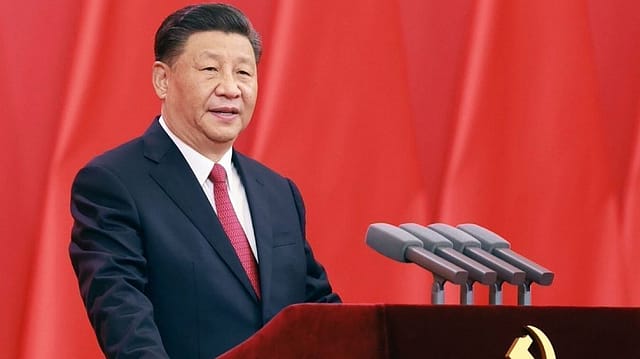
China, Tehran’s largest trade partner, is believed to have played a significant behind-the-scenes role in securing the recent two-week ceasefire agreement between the United States and Iran, alongside efforts led by Pakistan and other intermediaries.
US President Donald Trump indicated that Beijing may have contributed to bringing Tehran to the negotiating table.
“I hear yes,” he told AFP when asked whether China was involved in facilitating the truce.
According to a report by The New York Times, three Iranian officials said a last-minute intervention by China helped Iran accept Pakistan’s proposal for a temporary ceasefire, suggesting Islamabad was not the sole actor in the negotiations.

The Modi Years
02 Oct 2026 - Vol 05 | Issue 40
A Nation Rebuilt
For Beijing, there is a clear incentive to de-escalate tensions ahead of a planned meeting between Trump and Chinese President Xi Jinping in mid-May.
Trump’s visit to China, originally scheduled for late March, had been postponed due to the ongoing conflict.
Did China Quietly Push Iran Towards a Ceasefire Through Backchannel Diplomacy?
Quoting sources, Associated Press reported that China adopted a quieter yet influential approach, nudging Iran towards peace through coordination with intermediaries including Pakistan, Turkey and Egypt.
Earlier on Tuesday, Chinese foreign ministry spokesperson Mao Ning emphasised the urgency of ending the conflict.
“All parties need to demonstrate sincerity and quickly end this war that should not have happened in the first place,” she said, while warning of risks to global economic stability and energy security.
Iran has announced it will begin formal negotiations with the United States starting Friday in Islamabad, presenting the ceasefire as a diplomatic win.
Meanwhile, China and Russia vetoed a Bahrain-backed resolution at the United Nations Security Council aimed at reopening the Strait of Hormuz.
The draft, which had already been diluted to secure broader support, failed to pass despite receiving 11 votes in favour. China and Russia voted against the resolution, while Pakistan and Colombia abstained.
The resolution called on Iran to immediately cease all attacks against merchant and commercial vessels and any attempt to impede transit passage or freedom of navigation in the Strait.
It also urged an end to attacks on civilian infrastructure, including water infrastructure and desalination plants, as well as oil and gas installations.
The draft was proposed by Bahrain in coordination with Gulf Cooperation Council members Kuwait, Oman, Qatar, Saudi Arabia and the United Arab Emirates, along with Jordan.
Following the failure to adopt the resolution, Bahrain’s Foreign Minister Abdullatif bin Rashid Al Zayani expressed regret over the outcome, stating that the Council had been unable to pass the draft.
(With inputs from ANI)