The Zombie Vape Crisis Is Sending Teenagers Into Convulsions Across Southeast Asia
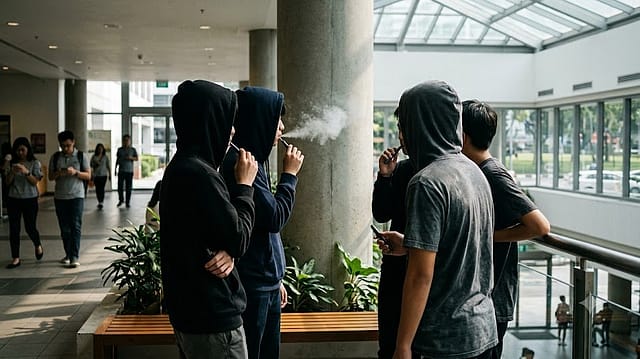
A new and deeply alarming product is spreading across Southeast Asia. It looks like an ordinary e-cigarette, smells like bubble tea, and is quietly putting teenagers in hospital. Zombie vapes are illicit e-cigarettes laced with etomidate, a medical anesthetic, that leave users twitching, convulsing, or staggering with glassy eyes. Authorities are scrambling to respond, but the crisis is moving faster than legislation can.
What Is a Zombie Vape?
Zombie vapes are black market e-cigarettes containing etomidate, a substance typically used to sedate patients during surgery. When inhaled, it reportedly mimics the effects of ketamine. Sold under names like "piao piao" or "k-pods," they are flavoured like peach oolong and passionfruit, making them indistinguishable from standard nicotine vapes.
Why Are They More Dangerous Than Regular E-Cigarettes?
Standard e-cigarettes deliver nicotine. Zombie vapes deliver a controlled anaesthetic that can cause severe muscle weakness, breathing difficulties, and hypokalemia. According to studies, chronic overuse can result in irreversible brain damage, as per The Diplomat. The substance's rapid onset, the very trait that makes it medically useful, also makes it dangerously addictive.

The Vanguard
21 Aug 2026 - Vol 05 | Issue 34
BJP Rearmed for 2029
Who Is Most at Risk?
Young people are the primary target. Dealers market zombie vapes through influencers, candy-coloured packaging, and sweet flavours designed to appeal to teenagers. According to a white paper from the National University of Singapore's school of public health, these products are sold openly on e-commerce sites and encrypted messaging apps with little to no age verification.
How Are They Being Distributed?
Distribution operates largely online and peer-to-peer, with dealers sometimes positioning themselves near schools or recruiting adolescents to sell to classmates. Their outward similarity to legal e-cigarettes makes detection extremely difficult.
What Makes This a Full-Blown Health Crisis?
Illicitly manufactured etomidate is produced in unsterilised settings with little scientific oversight, raising the likelihood of contamination and unpredictable chemical mixtures, as per The Diplomat.
Are Governments Doing Enough?
Singapore has classified etomidate as a controlled substance and removed thousands of illegal listings from digital platforms. Thailand and Cambodia have also tightened regulations. However, dealers continue operating through encrypted channels.
Will Banning E-Cigarettes Solve This?
Bans alone are insufficient. Unresolved trauma and emotional distress can be seen as underlying drivers. As long as zombie vapes offer escape to vulnerable young people, new variations will continue to emerge.
The zombie vape problem is a symptom of a broader, hidden epidemic. Without addressing both supply chains and the conditions driving young people toward these products, the health crisis will outlast any single policy response.
(With inputs from yMedia)