Nepal Unrest Explained: Why Curfews Are Being Lifted After a Week of Violence in the Southern Plains
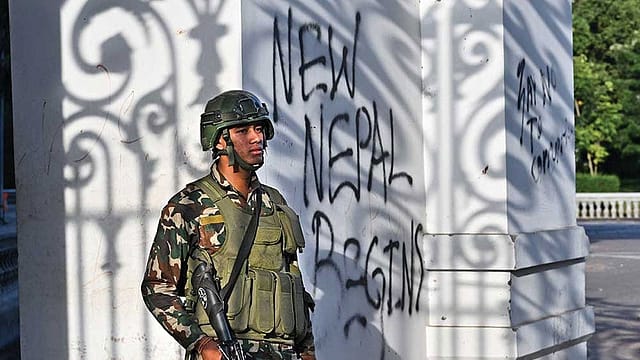
After days of communal violence, curfews, and heightened security across Nepal's southern plains, authorities have started cautiously relaxing restrictions while launching peace initiatives aimed at restoring normalcy. Here's what happened, why the violence spread, and what the situation looks like now.
What triggered the unrest?
The violence began late Sunday in Dewanganj, Sunsari district, after a dispute over loud DJ music during preparations for the annual Bol Bam pilgrimage to the Saptakoshi River. What started as a local argument quickly escalated into stone-pelting and clashes between two communities. Police responded with batons, tear gas, warning shots and eventually live fire. According to ANI, three people have died in the violence, including one person killed during the initial clashes and another injured protester who later succumbed to his injuries.
Why did the unrest spread?
The clashes in Dewanganj soon spread across several districts in Nepal's southern plains, including Sunsari, Dhanusha and Siraha, prompting local administrations to impose curfews and prohibitory orders. The violence also reached Janakpur, the capital of Madhesh Province, where authorities feared further escalation.
What is the situation now?
Authorities say the security situation has improved sufficiently to begin easing restrictions in several areas. Curfews have been lifted in parts of Sunsari, Janakpur and Lahan, although prohibitory orders remain in force. Gatherings of more than five people, public demonstrations, rallies and processions continue to be banned in many locations. Some sensitive areas, including Golbazar in Siraha, remain under curfew. Officials say further relaxation will depend on regular assessments of the ground situation.
The Vanguard
21 Aug 2026 - Vol 05 | Issue 34
BJP Rearmed for 2029
What are 'Harmony Rallies'?
Alongside security measures, local administrations and community leaders have begun organising Harmony Rallies across affected districts. The rallies are intended to promote communal unity and encourage residents to reject violence. An all-party meeting was also held in Janakpur to bring together political leaders and community representatives in an effort to restore trust. Local resident Mohammad Asgar Ali warned that communal divisions could have consequences beyond Nepal, saying preserving harmony remains essential for the country and the wider region. Janakpur Mayor Manoj Kumar Shah said discussions with all communities are continuing to preserve the region's long-standing tradition of coexistence.
What restrictions remain in place?
Although curfews are being eased, authorities have retained several restrictions. Public gatherings, marches, demonstrations and sit-ins remain prohibited in many areas. Essential services—including hospitals, pharmacies, ambulance services, fuel supply, water, milk distribution and air travel—continue to operate. Healthcare workers, journalists, government employees, Nepal Red Cross personnel, pilgrims and passengers travelling to airports are also permitted to move upon producing valid identification. Officials have urged residents to comply with the restrictions, warning that legal action will be taken against anyone violating the orders.
What has Nepal's government said?
Prime Minister Balendra Shah, addressing the nation for the first time since taking office in March, announced the formation of an investigation committee to examine the violence. He promised a fair and transparent inquiry, saying everyone responsible for the clashes would be held accountable under the law. For now, authorities say their immediate focus is to prevent fresh violence while restoring normal life through dialogue, community outreach and carefully calibrated easing of restrictions.
(With inputs from ANI)