‘Jeffrey Epstein Walk of Shame’ in Washington Reignites 2026 Political Tensions
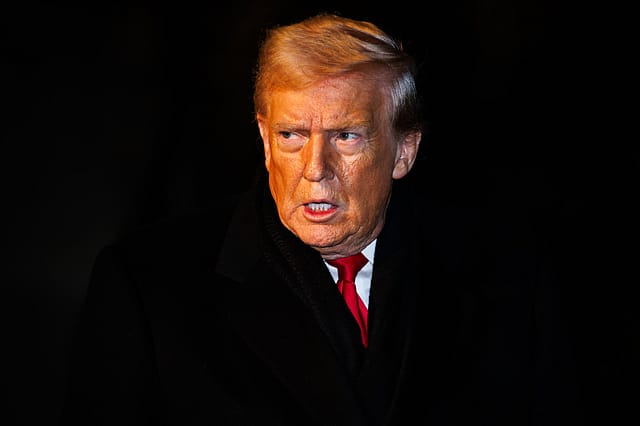
On March 1, 2026, a protest art installation titled the “Jeffrey Epstein Walk of Shame” appeared near Farragut Square, a short walk from the White House. Styled after the Hollywood Walk of Fame, it listed names drawn from unsealed Epstein-related court documents released in January 2024.
Among those referenced was Donald Trump, who has denied wrongdoing. The episode has revived political tensions surrounding the Jeffrey Epstein files.
Here’s what you need to know.
What Is the Jeffrey Epstein Walk of Shame?
The “Walk of Shame” is a protest-style art installation modelled on the Hollywood Walk of Fame. Instead of honouring celebrities, it names individuals whose associations appeared in court records linked to Jeffrey Epstein.
The objective is symbolic pressure, not legal accusation. Images of the installation spread rapidly on social media before authorities cleared parts of it.
Why Is Jeffrey Epstein Still Politically Explosive?
Jeffrey Epstein was arrested in July 2019 on federal sex trafficking charges and died in custody in August 2019. According to the US Department of Justice, his death was ruled a suicide, though public suspicion persists. His prosecution exposed links to business leaders, politicians and royalty, turning the case into a broader story about elite power structures.
What Are the Epstein Files?
The Epstein files are thousands of pages of court records, emails, flight logs and deposition transcripts linked to Jeffrey Epstein’s sex trafficking investigations. In January 2024, a US federal judge unsealed documents from a 2015 defamation lawsuit connected to Ghislaine Maxwell, revealing names of individuals mentioned in testimony.

Youth Issue 2026
24 Apr 2026 - Vol 04 | Issue 68
50 Portraits of Icons and Achievers
The files do not automatically imply wrongdoing, but they revived scrutiny of powerful figures tied to Epstein’s social and financial network.
Why Is Donald Trump Upset?
Trump’s name appeared in the unsealed material in the context of past social interactions dating back to the 1990s. He has not been charged with any Epstein-related offence. Trump has characterised renewed media focus as politically motivated, arguing that the resurfacing of decades-old associations distorts legal reality.
The timing is significant. With US political campaigning intensifying in 2026, resurfacing references to Jeffrey Epstein carry reputational risk. Even absent legal exposure, association can shape public perception.
What Is Trump’s Documented Connection to Jeffrey Epstein?
Archived photographs and media reports confirm that Trump and Jeffrey Epstein moved in overlapping social circles in New York and Palm Beach during the 1990s and early 2000s. According to past reporting by ABC News, Trump publicly distanced himself from Epstein years before the latter’s 2019 arrest.
No court has found Trump legally liable in connection with Epstein’s crimes.
Why Does This Resurface Years After Epstein’s Death?
Jeffrey Epstein died in federal custody in August 2019 while awaiting trial. His death shifted the focus to associates and institutional transparency. Each document released since 2024 has reignited public suspicion that powerful individuals escaped scrutiny.
Why Does the Installation Matter Politically?
The Walk of Shame reframes the Epstein files from legal documentation into symbolic accusation. It shifts the arena from courtroom procedure to public spectacle. In modern political cycles, optics often travel faster than verdicts. Even absent indictments, association alone can shape perception.
What Does This Say About Public Trust?
Polling over the past two years shows sustained bipartisan demand for full transparency regarding the Epstein files. According to Reuters coverage of congressional reactions, lawmakers across parties have pressed the Justice Department for broader disclosure. The persistence of protest art reflects continuing scepticism about institutional completeness.
What Happens Next?
Unless new charges emerge, the controversy will likely remain reputational rather than prosecutorial. However, as elections approach, references to Jeffrey Epstein may continue to surface in opposition messaging. The case has evolved beyond criminal proceedings into a recurring political vulnerability tied to transparency and elite accountability.
(With inputs from yMedia)