Israel’s Herzog Asks Gadi Eisenkot to Form Government as Coalition Split Looms
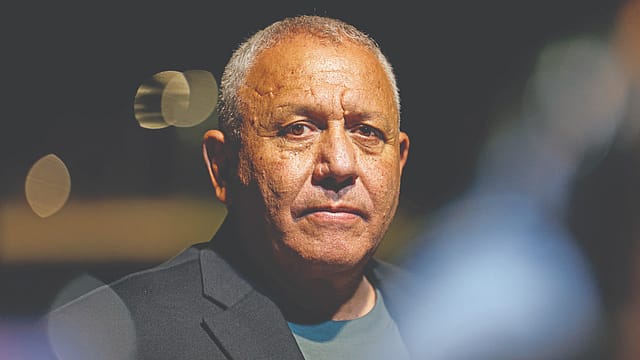
Israeli President Isaac Herzog gave Gadi Eisenkot the mandate to form Israel’s next government on Sunday, November 8, setting a 28-day clock for the former military chief to negotiate a coalition that could replace Prime Minister Benjamin Netanyahu. Herzog can grant an extension of up to 14 days.
Eisenkot, who leads the centrist Yashar party, received the mandate at the President’s Residence after Herzog consulted factions in the 120-member Knesset and held discussions with both Eisenkot and Netanyahu. His immediate challenge is to turn the recommendations that secured him the mandate into votes for a government.
Where Eisenkot’s 67 Recommendations Came From
Four parties in the Jewish-led opposition bloc, Yashar, B’Yachad, The Democrats and Yisrael Beytenu, accounted for 48 of the recommendations. The Arab-led Ra’am party brought another eight, and the Joint List unanimously agreed to recommend Eisenkot, adding 11. Together, the two Arab-led groups accounted for 19 of the 67 seats behind his nomination.

The Era of Forever Wars
30 Oct 2026 - Vol 05 | Issue 44
Coping with an explosive Middle East
Factions with 46 seats recommended Netanyahu. His right-wing bloc had won 53 seats in the election, but the seven lawmakers from the ultra-Orthodox United Torah Judaism party chose to recommend neither candidate.
Liberman Rules Out a Government Reliant on Arab Parties
Avigdor Liberman, who leads Yisrael Beytenu, has ruled out backing either a minority government or one that depends on Arab-led parties, The Times of Israel reported. The four parties in Eisenkot’s opposition bloc hold 48 seats between them, 13 short of a majority. Liberman’s position complicates the most obvious route from 48 to 67.
Liberman has signalled that he is willing to negotiate with ultra-Orthodox parties, a departure from his longstanding opposition to working with them. He has also floated the possibility of lawmakers from Netanyahu’s Likud breaking ranks. Critics have accused Liberman of holding up coalition talks because he wants to become prime minister himself, an allegation he has denied.
Bennett and Liberman Meetings Come Before Knesset Swearing-In
Eisenkot was expected to meet B’Yachad leader Naftali Bennett later on Sunday, before sitting down with Liberman on Monday, according to The Times of Israel. Bennett has stayed publicly silent during the dispute over whether the proposed government could rely on Arab-led parties.
The Monday meeting is expected to address both the shape of a coalition and how the opposition parties will work together in parliament. It comes a day before the newly elected Knesset is due to be sworn in, when the parties that backed Eisenkot for the mandate will have to start making decisions together on the parliamentary floor.
With inputs from ANI