Israel Election Chaos: No Majority, Foreign Funding Probe & a Qatar Row
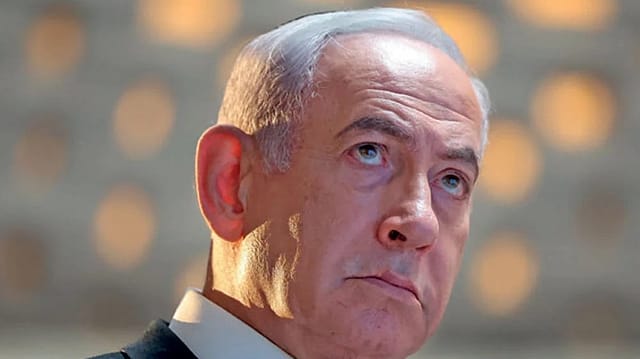
Israel’s election has produced a deadlock over who can form the next government and a dispute over alleged foreign interference that threatens to complicate coalition negotiations.
Prime Minister Benjamin Netanyahu has accused Arab parties of benefiting from outside interference. Qatar has denied funding activities to influence the vote. Election authorities, meanwhile, say the polls were conducted lawfully and that suspicions of foreign funding remain unsubstantiated.
The distinction is crucial: an investigation has been ordered into possible foreign influence. That does not establish that the election was stolen or its results are invalid.
Why is government formation stuck?
Neither of the two main blocs is projected to reach the 61 seats needed for a majority in Israel’s 120-member Knesset.
According to the projections cited in the reports, Netanyahu’s Likud-led bloc is on 53 seats, while the opposition bloc comprising parties led by Gadi Eisenkot, Naftali Bennett, Avigdor Liberman and Yair Golan is on 48. Arab parties are projected to hold 19 seats.

Look Who's Talking Regime Change
23 Oct 2026 - Vol 05 | Issue 43
Likud is projected to remain the largest individual party, with 26 seats. But that position alone does not give Netanyahu a governing majority.
The numbers make Arab parties potentially decisive in coalition negotiations. Netanyahu has called on Zionist parties to reject cooperation with Ra’am and the Joint List. The figures remain projections as counting continues.
What is being investigated?
Central Elections Committee chairman Justice Noam Sohlberg has instructed Shin Bet chief David Zini to investigate suspicions that foreign entities provided money to improperly influence the election.
Sohlberg requested findings within a week. In his letter, reported by Israeli media, he acknowledged that he could not attest to the substance of the suspicions and asked the agency to uncover evidence that would either substantiate or refute them.
Separately, police have announced arrests in a suspected election-bribery investigation. The reports do not establish that those arrests prove the broader allegations of foreign interference.
Have election officials found widespread fraud?
The committee’s acting director general, Dean Livne, rejected claims of systematic violations.
“The Knesset elections were conducted lawfully,” he wrote in a letter cited by The Times of Israel. He said polling-station integrity had been rigorously protected and that, to the committee’s knowledge, allegations of systematic violations had no basis.
Livne said the material behind the requested inquiry involved classified intelligence requiring further examination and had not been substantiated.
Why has Qatar been dragged into the dispute?
Netanyahu described the allegations as an “earthquake” and claimed foreign entities had intervened in favour of Arab parties. National Security Minister Itamar Ben Gvir alleged Qatari money was involved and sought arrests where a legal basis existed.
Qatari Foreign Ministry spokesman Majed Al Ansari categorically denied interference or funding intended to influence the result. He accused Israeli politicians of using Doha to deflect attention from their own political failures.
“If these claims were to be believed, Qatar would apparently own all of Israel,” he said, referring to accusations involving Netanyahu, the Israeli left and Arab voters.
What do Netanyahu’s opponents say?
Ra’am chairman Mansour Abbas denied any connection to the affair, welcomed an investigation and pledged cooperation. Balad chairman Sami Abou Shahadeh accused Netanyahu and his allies of fuelling hostility towards Arab parties.
Former prime minister Naftali Bennett also backed an inquiry but accused Netanyahu of exploiting the allegations to undermine public confidence. He challenged Netanyahu to declare Qatar an enemy state and remove advisers allegedly linked to it.
Eisenkot called for a thorough investigation while warning against using unverified suspicions to undermine the results or delay the new Knesset.
President Isaac Herzog urged investigators to establish the facts but cautioned against maligning an entire community for exercising its voting rights.
Israel now faces parallel tests: establishing whether unlawful interference occurred and assembling a parliamentary majority. The investigation could influence coalition talks, but the allegations remain unproven.
With inputs from ANI