QUICK TAKE | Democrats Win 258 House Seats: Seven Things to Know About Trump’s New Power Problem
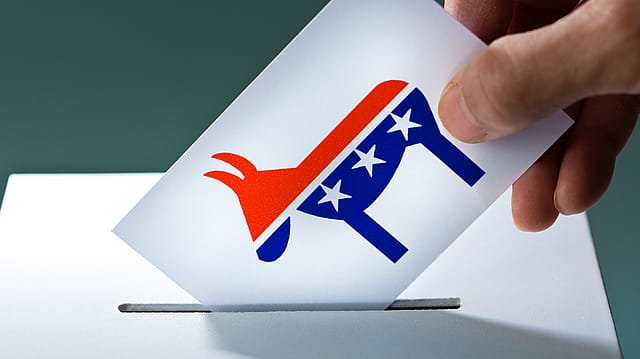
1. How big is the Democratic victory?
Democrats have secured 258 seats in the 435-member House of Representatives, gaining 44 seats so far. That surpasses their 40-seat gain in Trump’s first midterms in 2018 and marks the largest House majority either party has won in a general election since 1992.
2. Which result delivered the milestone?
Democrat Chuck Hubbard defeated veteran Republican Virginia Foxx in North Carolina’s fifth congressional district. A recount left Hubbard ahead by 330 votes. Foxx, who chairs the powerful House Rules Committee, conceded on Sunday after representing the state in Congress since 2005.
3. Could the majority grow further?
Four races remain unresolved, according to the reported tally: one each in Minnesota and Tennessee, and two in Louisiana heading to December runoffs. Republicans have secured at least 173 seats. Democrats already have considerably more than the 218 seats needed for a majority in a full House.
4. Who will lead the House?
Democratic leader Hakeem Jeffries is expected to become Speaker, subject to a formal House vote when the new Congress convenes. The majority gives his party control over House leadership, committee chairs and the legislative agenda, strengthening its ability to organise votes and scrutinise government programmes.

The Wealth Issue 2026
06 Nov 2026 - Vol 05 | Issue 45
Portraits of Dreamers and Doers under 35
5. What changes for Trump?
Democratic control of both chambers means greater resistance to his legislative priorities and closer scrutiny of his administration. Committee investigations, hearings and spending negotiations give Congress substantial influence. Trump will face pressure to negotiate with opposition leaders to advance measures requiring congressional approval.
6. Can Democrats pass laws over his objections?
Trump retains his presidential veto. Overriding it requires a two-thirds vote in both chambers. With all 435 representatives voting, that means 290 House votes, leaving Democrats short even with 258 seats. Their majority provides negotiating strength, while major legislation could still require Republican support.
7. What is the biggest test for Democrats?
They are preparing a 100-day agenda focused on the cost of living alongside extensive oversight of the Trump administration. Their challenge is to turn a sweeping electoral victory into tangible results. A comfortable majority makes internal disagreements easier to absorb, but voters will expect more than investigations and political confrontation.