Iran-US nuclear talks: Tehran is open to a deal, but says it won’t start from square one
Can Washington and Tehran return to the negotiating table without first resolving the events that drove them apart? Iran says it is prepared to talk, but not as though the past few years never happened.
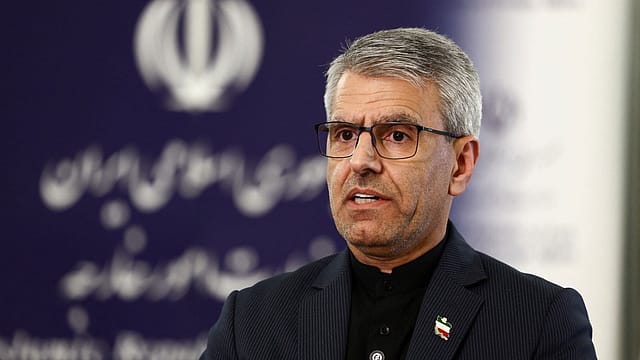
On Monday, October 12, Iranian Foreign Ministry spokesperson Esmail Baghaei said Tehran was reviewing US proposals for negotiations and that any talks must respect Iran’s preconditions. He reiterated that Pakistan and Qatar continue to mediate between the two countries, according to a report by Anadolu Agency.
His message was clear: diplomacy remains an option, but Iran does not intend to resume negotiations on the same terms as before.
Why Iran says nuclear negotiations cannot start from square one
"We will never go back to square one. Can you ignore the experiences of the past two years and then say that we are back to square one? Every day that passes, we will definitely use its experience, both in terms of strengthening our own capabilities and in terms of learning from the other side’s lapses," Baghaei said.

Zeroing In on ECI
09 Oct 2026 - Vol 05 | Issue 41
Constitutional legitimacy versus political opportunism
He argued that diplomacy remains central to Iran’s approach, even amid conflict. "We are so confident that we will never run away from the negotiating table and diplomacy. Diplomacy is as important to us as the battlefield and war. We will definitely use the tools of diplomacy, wherever necessary and wherever possible, to secure our interests," he said.
Baghaei also accused Washington of undermining negotiations through military pressure and economic restrictions. His comments reflect Tehran’s position that sanctions and continued hostilities are incompatible with a meaningful diplomatic process.
Pakistan and Qatar continue to mediate between Iran and the US
The latest statements suggest that indirect communication has not stopped, even as the two sides remain divided. Baghaei said, "We have always welcomed the wonderful efforts of friendly countries; But as you know, technically and in the strict sense of the word, Pakistan and Qatar continue to play the role of mediator between Iran and the United States."
The dispute extends beyond the nuclear programme. Iran has linked progress towards ending hostilities and reopening the Strait of Hormuz to a broader set of conditions.
Reuters reported on October 11 that Iran’s security chief, Mohsen Rezaei, described Washington’s response to Tehran’s proposal for reopening the strategic waterway as "insufficient". Rezaei said the US response addressed only some of Iran’s seven conditions.
The strait is a critical route for global oil and gas shipments, making any prolonged disruption a concern for energy markets and countries dependent on Gulf supplies.
Iran questions Western concerns over nuclear non-proliferation
Baghaei also criticised international responses to attacks on Iran’s nuclear infrastructure, arguing that they had weakened confidence in the global non-proliferation system. "Why are they worried? There is no point in worrying. They have created this concern themselves. Self-inflicted is not a tactic," he said, referring to concerns about Iran potentially leaving the Nuclear Non-Proliferation Treaty (NPT).
He added: "Those who themselves have caused the weakening of the foundations of the non-proliferation regime must answer this question; not only in Iran, but in the entire region and globally."
Why a nuclear deal remains uncertain
Baghaei dismissed the earlier Cairo Agreement as a missed opportunity, saying, "The Cairo Agreement, which is now part of history, the opposing parties did not really appreciate its opportunity."
For now, Iran says it is examining US proposals, while Washington has maintained that Iran must not acquire a nuclear weapon. Whether indirect diplomacy can bridge those differences remains unclear. The immediate challenge is not simply getting both sides to talk. It is finding terms they will accept while military tensions, sanctions and the dispute over the Strait of Hormuz continue to complicate negotiations.
(With inputs from ANI)