Strait of Hormuz crisis: Iran says key oil route will never return to pre-war status as US peace talks stall
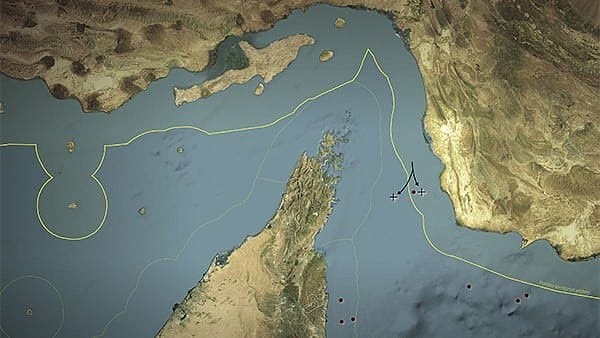
Could the end of the war bring back normal shipping through the Strait of Hormuz? Iran's Parliament Speaker and chief negotiator Mohammad Bagher Ghalibaf has suggested otherwise.
In a recent interview with Al Jazeera, Ghalibaf said Tehran and Oman had reached an understanding on overseeing the waterway as part of Iran's proposal to end the eight-month conflict. He made clear that any post-war arrangement would look different from the one that existed before the fighting.
Rejecting the idea of unrestricted international access, he argued that the two countries bordering the strait should determine its rules.
"There are no ‘free waters’ [international waters] there, and the 1982 [UN Convention on the Law of the Sea] does not apply to the strait … The regulations within the Strait of Hormuz are governed by the laws of the two littoral states that border it," he said.

The Wealth Issue 2026
06 Nov 2026 - Vol 05 | Issue 45
Portraits of Dreamers and Doers under 35
His assertion, however, is contested by the international legal framework. The UN Convention on the Law of the Sea provides for transit passage through straits used for international navigation, although Iran's position on the convention and the legal status of the waterway remain significant issues.
Iran sets seven conditions for US peace negotiations
Ghalibaf said Tehran had sent its response to Washington through Qatar, which has been acting as a mediator. Iran is waiting for an official American reply before moving towards negotiations. "The ball is now in the American court," he said.
The conditions include lifting the US naval blockade and sanctions, releasing frozen Iranian assets, ending hostilities across all fronts and formally declaring the war over. Ghalibaf said these demands were connected to a 14-point memorandum of understanding reached in Islamabad in June and had to be addressed before direct talks could begin.
He indicated that an agreement remained possible if Washington honoured existing understandings rather than introducing fresh demands. "If America limits itself to what has been agreed upon without making excessive demands or engaging in behaviour that breeds distrust, then, naturally, reaching an agreement is possible," he shared.
But he identified the lack of confidence between the two governments as the biggest obstacle. "What stands in the way of an agreement is our lack of trust in the United States," he said.
Hormuz shipping crisis continues despite diplomatic efforts
The diplomatic standoff has consequences far beyond Iran and the US. The Strait of Hormuz connects the Persian Gulf with the Gulf of Oman and is a critical route for global oil and liquefied natural gas shipments.
Reuters reported on November 11 that October saw LNG exports through the strait reach their highest level since the war began, with 31 tankers departing. But attacks on vessels also increased, with 37 ships targeted during the month. The International Maritime Organization had recorded 130 incidents and at least 25 seafarer deaths.
The figures underline why any new restrictions or security arrangement could affect energy supplies, shipping costs and economies dependent on Gulf exports, including India.
Iran warns Trump against renewed attacks as Russia enters the picture
Ghalibaf also claimed that US officials had asked Russian President Vladimir Putin to help facilitate direct negotiations with Tehran during a visit to Moscow. He warned that renewed American military action would bring another defeat for Washington and said Iran wanted to move beyond a prolonged state of "no war and no peace".
His remarks come after US President Donald Trump said on November 9 that he would hold off on fresh strikes for now, while maintaining the naval blockade. Reuters reported that regional countries, including Qatar, Saudi Arabia and the UAE, had urged restraint, but Washington had not accepted Iran's proposed terms.
For Tehran, the message is clear: ending the war is not enough. It wants the blockade lifted, sanctions addressed and a new framework for the Strait of Hormuz. For the rest of the world, the question is whether a route central to global energy trade can return to predictable, secure navigation.
(With inputs from ANI)