Iran Nears Decision on Khamenei’s Successor as Conflict Enters Eighth Day
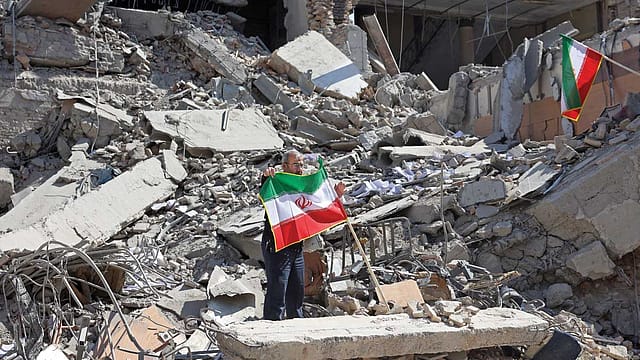
Iran’s Assembly of Experts has reached a majority consensus on the successor to the late Supreme Leader Ayatollah Ali Khamenei, according to reports from Tehran-based Mehr News Agency (MNA), even as the country navigates leadership transition and ongoing regional hostilities.
The development follows the killing of the 86-year-old supreme leader.
Quoting Assembly of Experts member Mirbaqeri, the report said that while a “majority consensus over Khamenei's successor has been reached,” the transition process is not yet fully complete as “some obstacles regarding the process need to be resolved.”
The move toward appointing a new leader gained further momentum on Wednesday when Iran’s leadership council informed state media that a successor would be appointed at the earliest opportunity.
In a video shared by Tasnim News Agency, an official told state television that “no problem has arisen in the field of leadership.”
Who Will Succeed Ayatollah Ali Khamenei As Iran’s Supreme Leader?
He confirmed that the leadership council is currently running the country, adding, “Praise be to God, we have come closer, but the situation is one of war.”
The official contrasted the current crisis with the transition following Ayatollah Khomeini’s death, noting that the immediate appointment seen then was possible because the environment was not a “war situation.”

Youth Issue 2026
24 Apr 2026 - Vol 04 | Issue 68
50 Portraits of Icons and Achievers
He emphasised that the Assembly of Experts is now “striving” despite the ongoing hostilities.
Amid the deliberations, the Iranian Government through its Consulate General in Mumbai dismissed reports emerging from Israeli media suggesting that Mojtaba Khamenei had been named as his late father’s successor.
Has Iran Confirmed Mojtaba Khamenei As Successor To Ayatollah Ali Khamenei?
While Israeli media claimed Mojtaba Khamenei had been chosen, no independent confirmation has surfaced from official Iranian state media.
Iran’s state media has also reported that citizens will bid farewell to the late Supreme Leader in a ceremony scheduled for tonight at Tehran’s Imam Khomeini prayer ground.
The ceremony is expected to last for three days, with the final funeral procession to be announced once it is finalised.
The political transition is unfolding amid the continuing West Asia conflict, which entered its eighth day on Sunday.
Iranian President Masoud Pezeshkian said his earlier remarks about regional military operations had been “misinterpreted by the enemy that seeks to sow division with neighbours,” according to state media reports cited by The Times of Israel.
What Did Iran’s President Masoud Pezeshkian Clarify About Military Operations?
The clarification followed diplomatic confusion after earlier comments appeared to suggest a possible suspension of military actions against Gulf nations even as regional strikes continued.
Addressing the issue, Pezeshkian stressed the importance of regional ties, saying, “It has repeatedly been said we are brothers and must have good relations with neighbours.”
At the same time, he maintained that Tehran’s actions were driven by defensive necessity, stating that Iran is “forced to retaliate to attacks,” while clarifying that this does not indicate a dispute with neighbouring countries or a desire to “upset their people.”
In a televised address on Saturday, Pezeshkian had struck a conciliatory tone toward neighbouring nations, announcing that the leadership council had decided not to attack neighbouring countries unless provoked.
“I apologise to the neighbouring countries. We have no intention of invading other countries,” he said, adding that there would be no missile launches unless attacks against Iran originated from those specific nations.
Despite the outreach to neighbouring states, Pezeshkian also rejected the possibility of capitulation in the face of intensifying pressure from the United States and Israel, declaring, “They will take their dreams of us surrendering unconditionally to the grave.”
(With inputs from ANI)