How Does Iran Choose Its New Supreme Leader? The Process Explained
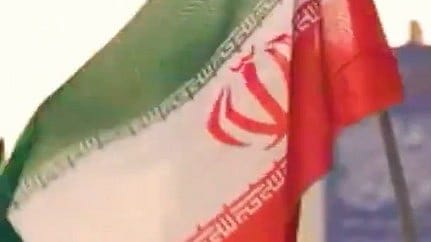
Iran’s political system is built around one overarching office: Iran's supreme leader, who commands the armed forces, controls the judiciary, and holds final authority over foreign policy, serving for life as the highest religious and political authority in the Islamic Republic. With Ayatollah Ali Khamenei now dead, only the second succession in the Republic's 47-year history has begun.
Here is everything you need to know.
What Happened To Ayatollah Ali Khamenei?
Ayatollah Ali Khamenei was killed on February 28, 2026, in a joint airstrike by the United States and Israel that targeted his compound in Tehran.
An Interim Leadership Council was immediately formed, comprising President Masoud Pezeshkian, Chief Justice Gholam-Hossein Mohseni-Ejei, and senior conservative cleric Alireza Arafi. Iran announced 40 days of national mourning.
Rise of the Pivotal Power
18 Sep 2026 - Vol 05 | Issue 38
The BRICS declaration is a strategic victory for Modi
Who Holds Power In Iran Right Now?
As stipulated in Article 111 of the Iranian Constitution, a three-person Interim Leadership Council was created on March 1, 2026, to temporarily assume the duties of the Iran’s supreme leader until a new one is appointed. Iran's Foreign Minister Abbas Araghchi confirmed to Al Jazeera that the constitutional machinery of succession was already in motion within hours of Khamenei's death.
What Is The Assembly Of Experts And What Is Its Role?
The process for choosing a new supreme leader is enshrined in Iran's constitution. A clerical assembly of 88 members, elected by the public, holds the authority to appoint one by simple majority.
All candidates are first vetted by the Guardian Council, whose members are themselves appointed by the supreme leader, making the body far from independent in practice.
How Exactly Does Iran's Supreme Leader Election Work?
There is no public vote. The Assembly of Experts convenes, deliberates internally, and selects a successor through consensus or a formal vote. Iran's supreme leader election requires at least two-thirds of its 88 members to be present, and the chosen candidate must secure two-thirds of those present to be confirmed.
What Qualifications Must The Next Supreme Leader Hold?
The constitution requires the leader to possess distinguished religious scholarship, deep knowledge of Islamic jurisprudence and politics, and strong managerial ability. Historically, the position required a candidate to hold the rank of grand ayatollah, though this criterion was revised in 1989 to allow Khamenei himself, then a mid-ranking cleric, to take office.
Who Are The Main Contenders For The Position?
Mojtaba Khamenei, son of the late supreme leader, is widely reported as the most likely successor, with the IRGC reportedly pressuring Assembly members to vote in his favour. Other names under consideration include Alireza Arafi and Gholam-Hossein Mohseni-Ejei, both currently serving on the Interim Leadership Council.
What Role Does The IRGC Play In Choosing The New Leader?
The Islamic Revolutionary Guard Corps holds no formal constitutional role in Iran's supreme leader election, which rests solely with the Assembly of Experts. However, reports indicate the IRGC has been actively lobbying Assembly members, making it a significant informal force in determining the final outcome amid the ongoing Israel-Iran conflict.
What Does The Outcome Mean For Iran And The Region?
During the Assembly's first meeting in Qom, Israel bombed its building amid the Israel-Iran conflict and threatened to do so again if a successor is selected. Despite this, the Assembly has indicated its intent to proceed. A moderate or reformist is unlikely to take the helm, meaning a significant shift in Iran's direction remains a distant possibility.
(With inputs from yMedia)