Fewer Than 10 Ships Daily: Inside The Hormuz Shipping Collapse
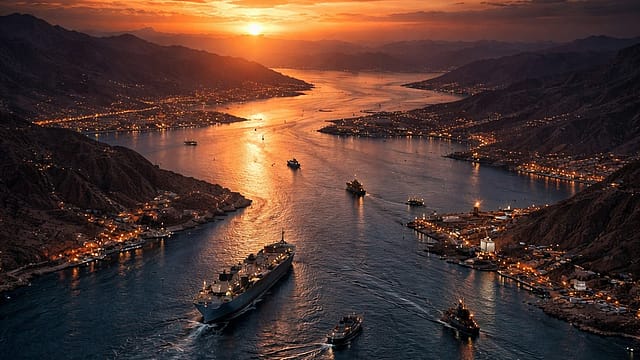
Shipping through the Strait of Hormuz has dropped dramatically amid escalating conflict in West Asia, turning one of the world’s busiest maritime routes into a near standstill.
According to maritime security assessments, traffic has fallen by more than 90 per cent, with fewer than 10 ships now passing through daily.
What triggered this sharp decline in shipping?
The disruption follows a major escalation involving the United States and Israel launching strikes on Iran, followed by retaliatory actions by Tehran across the region.
Before the escalation began on February 28, around 130 ships transited the strait each day. That number has now plunged, effectively paralysing a critical global shipping corridor.

Losing Memory
16 Oct 2026 - Vol 05 | Issue 42
The making of a medical and social emergency
What risks are ships facing in the region?
The UK Maritime Trade Operations (UKMTO), a Royal Navy-led monitoring group, has recorded widespread security incidents.
It reported over 40 incidents between March 1 and April 27, including attacks, vessel damage, harassment, and near-misses.
"Ships or their crew were either directly damaged or suffered collateral impact, such as shrapnel from intercepted drones, while several vessels were also harassed or forced to turn back," the monitoring team said in a statement on Friday, adding that at least 26 incidents involved direct attacks on merchant vessels.
Why is the Strait of Hormuz so important?
The Strait of Hormuz is one of the world’s most critical energy shipping routes, linking the Gulf to global markets. Any disruption here has immediate consequences for oil supplies, trade flows, and shipping costs.
The current tensions between Washington and Tehran have turned the chokepoint into a high-risk zone, severely affecting global supply chains.
How many ships and crew are currently affected?
The crisis has left hundreds of vessels stranded inside the Gulf, unable to exit safely due to security risks in the narrow passage.
Officials estimate that between 850 and 870 large merchant ships are currently stuck, carrying roughly 20,000 seafarers.
"Our first concern is the safety and security of seafarers. There are around 20,000 sailors on ships going nowhere. Crew changes are not happening, and supplies are becoming strained," said Commander Jo Black, Head of Operations at UKMTO.
He also warned that prolonged uncertainty could take a toll on the mental well-being of those onboard.
What role does UKMTO play in this crisis?
The UKMTO, supported by the Royal Navy, acts as a key information hub for maritime security across the region, including the Red Sea, Gulf, and northern Indian Ocean.
It relies on ship tracking systems, voluntary reporting, and intelligence inputs to monitor threats and guide vessels safely. The organisation has previously played a major role during Somali piracy incidents and recent Red Sea tensions.
Could the disruption spread beyond the Gulf?
Officials warn that prolonged instability could have wider consequences beyond the immediate region.
There are concerns that disruptions could spill over into global trade routes and even trigger a resurgence of piracy off the coast of Somalia.
UKMTO continues to issue real-time advisories and warnings, describing the situation as one of the most volatile phases in recent years for international shipping lanes.
(With inputs from ANI)