EXPLAINED | Democrats Won Congress. Can They Undo Trump’s Tariffs?
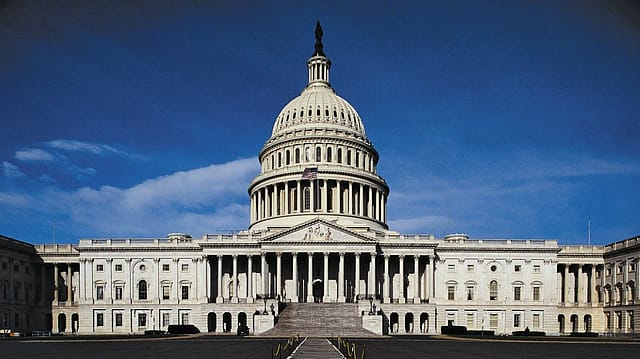
Democrats won the US House and Senate in the November 3 midterms, giving them control over which bills Congress takes up. On Sunday, November 8, House Democratic leader Hakeem Jeffries called for stopping President Donald Trump’s tariffs. A vote can come as soon as the new Congress takes office in January. Whether it changes what importers pay at the border depends on which duties Democrats target and how many Republicans they can bring with them.
When can Democrats act?
Their new majorities take office at noon on January 3, 2027. In the House, Democrats will be able to decide which bills get a vote. In the Senate, they will control the schedule and committee agenda. Neither the election result nor a vote in the House changes what US customs collects. That takes a change in the law, a decision by the administration or a court order that affects the duty.

The Era of Forever Wars
30 Oct 2026 - Vol 05 | Issue 44
Coping with an explosive Middle East
What is a tariff, and who pays it?
A tariff is a tax on goods entering a country. At the US border, the importer declares what the goods are, where they were made and what they are worth. Customs uses those details to work out the bill. The importer pays it and then has a business decision to make. It can absorb the cost, ask the overseas supplier for a lower price or charge its customers more. An Indian factory can therefore lose margin on a duty it never pays directly.
How could Trump impose tariffs without a vote on each one?
The US Constitution gives Congress power over duties and foreign trade. Over time, Congress passed laws that let the executive branch impose tariffs under specified conditions. One of those laws, Section 301 of the Trade Act of 1974, lets the US trade representative respond to certain foreign practices that burden American commerce. In July, the administration used it to impose duties on goods from 60 economies after finding shortcomings in how they banned imports made with forced labour. The legal dispute is over whether those findings justified the duties Washington chose.
Which tariffs do Democrats want to remove?
One bill already on file goes after three rounds. Senate Democratic leader Chuck Schumer’s End Trump’s Tariff Tax Act would terminate the July forced-labour duties and repeal the powers Trump used for a temporary global surcharge and for a separate round of Canadian tariffs. Democrats could start with a narrower measure aimed at Canada, where Trump used Section 338 of a 1930 law to impose an extra 50% duty on selected goods. In February, six House Republicans crossed party lines to oppose an earlier round of Canada tariffs.
Can Trump veto a repeal?
Yes. The House and Senate must first pass the same bill. In the Senate, it usually takes 60 votes to end debate on ordinary legislation if opponents try to block it. If the bill passes and Trump vetoes it, Democrats would need a two-thirds vote in each chamber to override him. Democrats won majorities in both chambers, but they still need Republican votes to clear those higher thresholds.
What can Jamie Raskin do without Trump’s approval?
He can investigate how tariff exemptions were awarded. On October 28, Raskin, the top Democrat on the House Judiciary Committee, sought records from the administration and alleged that politically connected companies had benefited from exceptions. With a Democratic majority, the committee can call hearings and seek documents and testimony through subpoenas, which are formal demands for evidence. The letters make allegations that an inquiry would have to test. Even if the committee finds wrongdoing, it cannot cancel a duty by issuing a report.
Could the courts undo a tariff first?
Yes. In February, the Supreme Court ruled that a law granting the president emergency economic powers did not authorise tariffs. That ruling knocked out the duties imposed under that law. A spice importer and a watch retailer are now challenging the July duties in the US Court of International Trade. They argue that the trade representative failed to show how sweeping tariffs would remedy the specific problems it found. A separate suit by a food importer challenges the tariffs on selected Canadian goods. Each case turns on its own law. Filing either suit leaves customs free to collect unless a court orders otherwise.
What would repeal save on an Indian T-shirt shipment?
Take a shipment of Indian cotton T-shirts with a customs value of $10,000. At the standard US rate of 16.5%, the importer owes $1,650. The additional 10% July duty adds $1,000, taking the bill to $2,650 before fees. If Congress removes that extra duty, the bill drops back to $1,650. Other products have different bills. India’s commerce ministry says the extra 10% does not apply to some major exports, including smartphones and generic medicines.
Would importers get back the duties they already paid?
They could if Congress includes refunds. Schumer’s bill would direct customs to return the covered duties, with interest, to eligible importers within 30 days of the bill becoming law. A repeal that applies only to future shipments would leave past payments in place. Even under Schumer’s proposal, customs would send the money to the importer. A retailer that had raised prices would have no refund obligation to shoppers under that bill.
What should Indian exporters look for in the first House tariff bill?
Look for the July Section 301 duties in the text. If the House targets only Canada’s tariffs or the legal power behind them, the Indian T-shirt still carries its extra $1,000 charge. Schumer’s bill shows how lawmakers could reach that charge. The first test for exporters is whether House Democrats put that provision to a vote. The second is whether enough Republicans will back it in both chambers.