David Jones: The Fall of Australia's Oldest Department Store After 188 Years
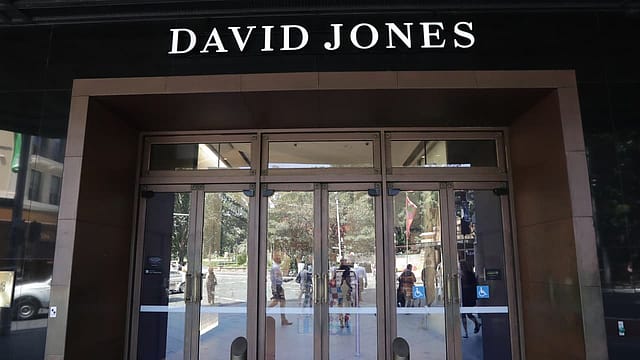
Shoppers turned up at a David Jones in Melbourne to spend their gift cards on the day the retailer went into administration. The tills were still ringing at Highpoint Shopping Centre. Some customers who had planned to wait for the sales decided to buy now.
David Jones, founded in Sydney in 1838, entered voluntary administration and receivership on November 5. Reuters put the chain at 38 stores across Australia and New Zealand, with about 6,000 employees. A day earlier, one of its biggest landlords, Scentre Group, had reported rising visits and 99.8% occupancy across its Westfield shopping centres.
A mall can be nearly full of shops and still have a very large tenant in trouble. The numbers tell you how.
Can you still shop at David Jones?
Yes. The stores and website were still trading under the control of receivers from FTI Consulting on November 5. A secured lender, which has a claim backed by company assets, appointed those receivers. The directors separately appointed McGrathNicol as voluntary administrators to assess the business and seek offers from a buyer or an investor willing to put in fresh money.

The Era of Forever Wars
30 Oct 2026 - Vol 05 | Issue 44
Coping with an explosive Middle East
For staff, the distinction is immediate. ABC News reported that the receivers had told employees normal pay would continue while they reviewed outstanding entitlements. The receivers also told staff they were likely to reduce the size of the store network and would consult employees and unions once decisions were made.
What pushed a retailer this old into administration?
Receiver Christopher Hill pointed to tough trading, rising costs, supply problems and a store network he described as outdated. The strain was already visible in earlier accounts. Ragtrader reported that David Jones’s pre-tax loss reached A$95.5 million in the financial year ended June 2025, up from A$74.1 million the year before. Sales fell 8.7% to A$2 billion.
There were also signs of pressure in the lease negotiations. ABC News reported that talks with Westfield had broken down. Scentre said David Jones had paid its rent through September 30. Another landlord, Vicinity Centres, disclosed about A$2.2 million in unpaid rent as at October 31, according to Ragtrader’s account of its exchange filing. Those figures cover different landlords and dates. The appointment statement did not give a full breakdown of the chain’s finances or show which stores were losing money.
Where do the mall crowds go?
Some go straight to the cinema, the food court or a shop that sells exactly what they came for. Scentre counted 452 million visits across its Westfield centres from the start of 2026 to November 1, up 3.2% from the comparable period. That is a count of visits across the portfolio, including return trips. It says little about how many of those visits led to a purchase at David Jones.
A department store has to get a share of those visitors through its own doors. It then needs enough of them to buy, and enough money left after paying for the goods to cover wages, rent and the cost of running the store. A discount can fill the tills while leaving less on each sale. Stock sitting on the shelf ties up cash while bills fall due. Over several floors, that can get expensive quickly.
The landlord has a different set of figures. It looks at how much space is let and what that space earns. Scentre said gross rent averaged A$352 per square metre for its David Jones stores, compared with A$942 across its portfolio. A big tenant can justify a lower rate if it gives people a reason to come and spend elsewhere in the centre. The published rent figures show how differently that space was priced.
What can a mall do with an entire department store?
At Westfield Tuggerah, on Australia’s New South Wales Central Coast, Scentre is spending A$20 million to remake a former David Jones space. JD Sports and rebel have opened, and the Timezone entertainment venue is due in the second quarter of 2027. Scentre said visits were up 6.2% from the comparable period in the eight weeks after the sports shops opened. Eight weeks of visits tells us how the openings started. It will take longer to judge the return on the redevelopment.
The practical question for a landlord is what a big store does for the whole centre. It may be worth keeping a department store that brings customers past other shops. At another location, several smaller tenants and an entertainment venue may do that job better, if their rents and the extra trade justify the cost of rebuilding.
How does that distinction play out in India?
Look at what two Indian companies are measured on. On November 2, Crisil Ratings upgraded Phoenix Mills’ long-term bank facilities, citing higher occupancy, newer malls building up business and a broader mix of properties and cities. For Shoppers Stop, a department store operator, the relevant number is closer to the till. It reported ₹1,302 crore in department-store sales for the September quarter, up 4%. The sales figure tells you how much the format sold. You need its costs to work out what it made.
Will David Jones come out of this with fewer stores?
The receivers have flagged that possibility. McGrathNicol is seeking fresh investment or a buyer that would keep the business operating. The next concrete signs will be whether those offers come in and which locations the receivers decide the chain can afford to keep. For staff and suppliers, the shape of any rescue matters as much as the name over the door.