At the UN, India delivers a two-part message: Zero tolerance on terror, more climate finance for the developing world
What does India want the world to focus on right now?
If the country's latest interventions at the United Nations are any guide, the answer lies in two very different challenges that increasingly shape the lives of millions: terrorism and climate change.
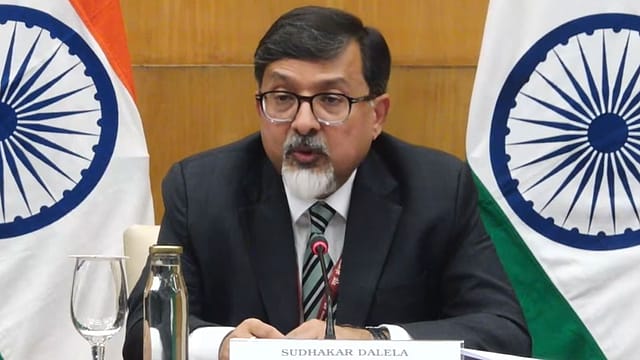
Over the past week in New York, Sudhakar Dalela, Secretary (Economic Relations) in the Ministry of External Affairs, represented India at a series of UN meetings where he outlined New Delhi's position on both issues. According to the Ministry of External Affairs (MEA), Dalela called for stronger support for victims of terrorism while also pressing for more predictable climate finance and technology access for developing nations. The interventions came during meetings held alongside the UN High-Level Week.
India's terrorism message at the UN: Keep victims at the centre
The first message was one India has repeated for years, but one that carries particular weight given its own experience with terror attacks. Speaking at the 7th Ministerial Meeting of the Group of Friends of Victims of Terrorism, Dalela reiterated India's "zero tolerance" approach to terrorism and argued that the experiences of victims should remain central to global counter-terrorism efforts.

Zeroing In on ECI
09 Oct 2026 - Vol 05 | Issue 41
Constitutional legitimacy versus political opportunism
The emphasis reflects a broader position India has consistently advanced at multilateral forums: that terrorism should be addressed in all its forms and manifestations and that victims should not be overlooked as international discussions focus on security and geopolitics.
The issue remains high on the UN agenda. According to the United Nations Office of Counter-Terrorism, supporting victims and survivors has become an increasingly important pillar of global counter-terrorism policy, with member states pushing for stronger recognition of their rights and needs.
Climate adaptation takes centre stage as risks grow
But terrorism was only one half of India's message. At a Solutions Dialogue on Financing Adaptation, Dalela turned attention to a challenge that is becoming harder for governments to ignore: how countries pay for climate resilience before disasters strike.
The MEA said he highlighted India's early warning systems and efforts to integrate climate adaptation into national and state-level planning. He also argued that financing for adaptation should be predictable and accessible, particularly for countries facing growing climate risks.
The timing is significant. The United Nations has repeatedly warned that adaptation finance falls far short of what developing countries need. UNEP's latest Adaptation Gap Report estimates that adaptation costs for developing nations could reach hundreds of billions of dollars annually in the coming decades, even as funding remains well below required levels.
For many countries, the debate is no longer simply about cutting emissions. It is increasingly about building flood defences, improving disaster preparedness and protecting vulnerable communities from extreme weather.
India's climate finance push comes with a clear demand
In a separate dialogue focused on climate finance, Dalela pointed to India's own energy transition efforts. He noted that non-fossil fuel sources now account for more than 54 per cent of India's installed electricity capacity, a milestone that aligns with the country's Nationally Determined Contributions under the Paris Agreement.
But the bigger point was about access. Dalela argued that developing countries need affordable finance and easier access to technology if they are expected to accelerate climate action. He also stressed that climate finance commitments should be "new and additional" rather than being drawn from existing development assistance budgets, according to the MEA.
That distinction has long been a key demand from developing economies, which argue that money promised for climate action should not come at the expense of funding for healthcare, education or broader development goals.
One UN week, two global challenges
At first glance, terrorism and climate finance may seem like entirely separate issues. Yet India's interventions in New York linked them through a common theme: the protection of vulnerable people.
Whether discussing victims of terrorism or communities facing climate shocks, the country's message was that international cooperation should focus not only on responding to crises but also on supporting those who bear their consequences.
In a week packed with diplomatic speeches and competing priorities, that two-part message became India's clearest contribution to the conversation: security matters, climate resilience matters, and for much of the developing world, both are now impossible to separate from the question of development itself.
(With inputs from ANI)