Oura Ring 4 Is Now in India: What Is It, What Does It Do, and Is It Worth Buying?
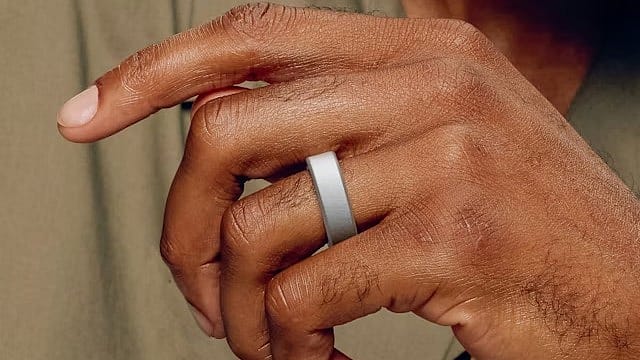
The Oura Ring 4 has officially made its India debut, and it is already turning heads. Available at Croma stores and Amazon from March 18, this screenless smart ring promises to be a personal health companion you never have to think about. But what exactly does it do, and is it worth your money?
Here’s a detailed insight.
What is the Oura Ring?
The Oura Ring is a smart ring worn on the finger that tracks your health around the clock. Unlike a smartwatch, it has no screen or notifications - just sensors that quietly collect data and send it to the Oura app on your phone. The Oura Ring 4 is the latest generation, powered by Smart Sensing technology with 18 signal pathways that adapt to your unique body.

The Age of Anger
31 Jul 2026 - Vol 05 | Issue 31
A raging generation makes the government relent. What's next?
What health metrics does it track?
Oura Ring 4 monitors over 50 health and wellness data points, including heart rate, heart rate variability (HRV), blood oxygen levels, skin temperature, respiratory rate, and sleep stages. These signals are translated into clear, personalised insights through the app rather than presenting you with raw numbers.
How does sleep tracking work?
Sleep is where the Oura Ring genuinely stands out. It breaks down your night into deep, REM, and light sleep stages and generates a Sleep Score each morning. The Sleep Foundation has rated its accuracy favourably against clinical studies, making it one of the most reliable consumer sleep trackers available.
What is the Readiness Score?
Every morning, the ring produces a Readiness Score based on your HRV, resting heart rate, temperature trends, and recent activity. It tells you in plain terms whether your body is ready for a hard workout or needs rest - a feature widely used by professional athletes.
Can it track women's health?
Yes. The ring's continuous temperature monitoring helps predict menstrual cycles and can sometimes flag early signs of illness before symptoms appear, making it a practical tool for women's health.
How much does it cost in India?
Oura Ring 4 starts at ₹28,900 for Black and Silver variants. Premium finishes like Gold and Rose Gold are priced at ₹39,900. An Oura membership costs ₹599 per month for full access to personalised insights.
(With inputs from yMedia)