EXPLAINED | Why Did Nvidia Bring Jensen Huang Back Six Days After Ruling It Out?
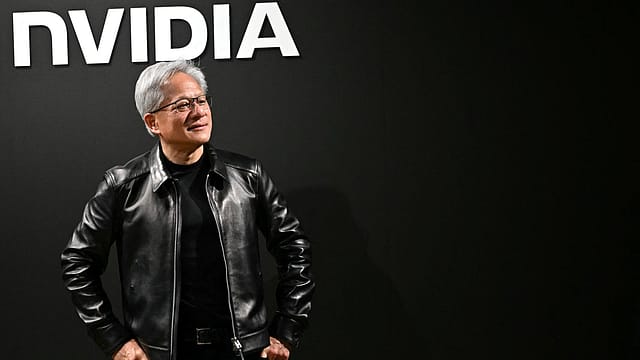
On November 17, Nvidia chairman Harvey Jones gave investors a reason to take the search for Jensen Huang’s successor seriously. He named the headhunter. Heidrick & Struggles would help assess candidates from within and outside Nvidia. The board, Jones said, “does not intend to reinstate Jensen as CEO”.
Five days later, on Sunday night, the president of the United States spoke to the man Nvidia had ruled out. On Monday, the directors voted unanimously to give Huang back the chief executive’s job, the presidency and his seat on the board. Trump then told CNBC he considered his intervention “very important”.
What happened between those two board statements? Nvidia says its directors got answers from Huang about his conduct and assurances from Washington about the risk of bringing him back. They were prepared to act on both while their own investigation was still under way.
Why did Jensen Huang resign?
Huang resigned on November 12 after acknowledging extramarital affairs. One relationship involved a businesswoman whom US authorities suspected of spying for China, Reuters reported. Beijing denied the allegation. Huang acknowledged the relationship. Whether a foreign intelligence service had targeted him, what it might have sought and whether it obtained anything remain questions for investigators. Nvidia appointed a committee of independent directors, assisted by outside counsel, to examine the reports.

The Wealth Issue 2026
06 Nov 2026 - Vol 05 | Issue 45
Portraits of Dreamers and Doers under 35
How firmly had Nvidia ruled out his return?
Huang had already offered to come back if the board thought that best. Jones delivered the directors’ answer at the start of Nvidia’s quarterly earnings call. He told investors the board had unanimously accepted Huang’s resignation. The company had hired a search firm, and the next CEO would need to understand how national security concerns were changing the market for advanced chips.
Later that day on CNBC, Jim Cramer tried a narrower question. Could Huang serve as chief technologist or perhaps as an ambassador for Nvidia? Interim CEO Colette Kress repeated the board’s position. By the following Monday, Huang had recovered considerably more authority than either of the roles Cramer suggested.
What changed the directors’ minds?
The crucial word in Nvidia’s November 23 statement is candor. Directors said they had held a series of meetings with Huang and were satisfied about his openness with them and his ability to lead. They also sought input from senior US government officials. On the strength of that input, the board concluded that reinstating him posed no national security risk.
Those reasons leave a gap in the public account. Which concern kept the board from accepting Huang’s offer on November 17? Which answer or assurance satisfied directors by November 23? Nvidia has disclosed its conclusions. The substance of those conversations remains private.
How directly did Trump get involved?
Trump’s account goes further than Nvidia’s reference to government input. He told CNBC that he spoke to Huang on Sunday night and was represented at the board meeting. He said directors had asked for an assurance about the national security implications of restoring Huang. After the announcement, Trump said the government had no reason to believe Huang’s return posed such a risk.
The Sunday call and the account of representation at the meeting come from Trump. Nvidia confirms receiving advice from senior officials. Neither has disclosed precisely what those officials told directors. The board made the appointment by unanimous vote and retains responsibility for it.
Why is California still asking questions?
California Attorney General Rob Bonta’s office told Reuters on Monday that Huang’s reinstatement did nothing to diminish the need to examine what Nvidia had told investors about its China ties. The distinction turns on timing. Directors were deciding whether Huang could run Nvidia from Monday onwards. California wants to know what shareholders were told when they made investment decisions earlier.
An assurance about the risk of bringing a CEO back cannot establish whether an earlier company disclosure was accurate or complete. California’s statement keeps that question open. It contains no finding that Nvidia misled shareholders.
Who investigates the episode now that Huang is back on the board?
Two committees have different responsibilities. One group of independent directors is examining whether a foreign intelligence effort targeted Huang. It has retained its own counsel, and Huang has agreed to cooperate. A separate standing committee, chaired by director Suzanne Nora Johnson, oversees national security, export controls and global trade compliance across Nvidia. It is scheduled to meet at least quarterly.
Huang has recovered his director’s vote and day-to-day command of the company. Jones remains board chairman. The independent directors retain responsibility for the inquiry into the events preceding Huang’s departure.
Where does that leave Colette Kress?
Kress continues as chief financial officer, a responsibility she retained throughout her eleven days as interim CEO. She presented earnings, answered questions about Nvidia’s financial guarantees and explained the directors’ position on Huang on television. The board thanked her for leading the company. Its announcement gave no account of how far Heidrick & Struggles had progressed or what the directors learned about who might eventually succeed their founder.
What does the share-price surge tell us?
At 12:34 pm in New York on November 23 (11:04 pm IST), Nvidia traded at $166.60, up 32.7% from Friday’s close of $125.53. Even then, the stock was $7.13 below the $173.73 it fetched on November 11, before Huang’s departure became public.
Oppenheimer offered a particularly clear account of its own reversal. Its analysts had downgraded Nvidia after Huang left despite their confidence in the business. On Monday, they restored their outperform rating. They could change their assessment of the stock as soon as they knew who would run the company. The directors investigating the circumstances of his departure still had work to do.
Does Huang’s return change anything for India?
Nvidia has announced collaborations with Reliance on AI infrastructure and Indian-language models, and with Tata on computing platforms for Indian businesses and researchers. The November 23 announcement contains no revisions to either partnership. For Indian customers, it settles who leads their supplier. Questions about chip availability, delivery dates and project costs still depend on the agreements and the companies executing them.