Why Is FIFA Facing Criticism Over 2026 World Cup Ticket Prices?
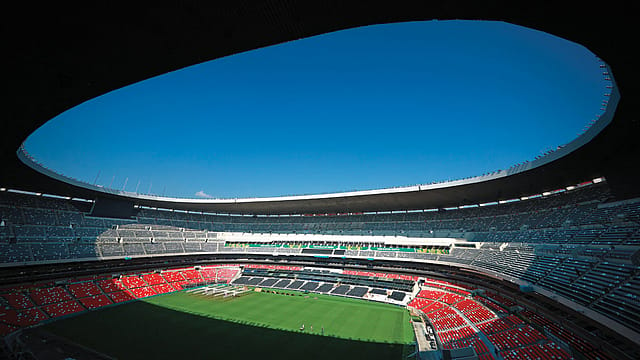
As the 2026 FIFA World Cup gets underway across the United States, Mexico and Canada, football's governing body is facing growing criticism over the cost of attending matches. At the centre of the debate is former FIFA governance committee chairman Miguel Poiares Maduro, who argues that the organisation's commercial interests are increasingly taking precedence over the interests of fans.
The controversy comes amid record-breaking ticket prices, investigations into FIFA's ticketing practices, and wider concerns about the accessibility of football's biggest event.
Why Are 2026 World Cup Ticket Prices Being Criticised?
The 2026 FIFA World Cup has become the most expensive tournament in the competition's history. Premium tickets for the final have been priced at nearly $16,000, representing a dramatic increase from the 2022 World Cup in Qatar. FIFA's adoption of dynamic pricing, where ticket costs fluctuate based on demand, has further fuelled criticism from supporters and fan groups.

Zeroing In on ECI
09 Oct 2026 - Vol 05 | Issue 41
Constitutional legitimacy versus political opportunism
Speaking to ABC News, Miguel Maduro argued that the soaring costs are turning football into a sport increasingly reserved for wealthier audiences.
"You have a sport that is becoming increasingly an elite sport," Maduro said.
The criticism reflects concerns that many traditional supporters are being priced out of attending matches, particularly in a tournament expected to attract millions of fans from around the world.
Who Is Miguel Maduro and Why Does His Opinion Matter?
Maduro is a former chair of FIFA's governance committee who was appointed in 2016 following a series of corruption scandals that rocked the organisation.
His role was to strengthen governance standards, improve transparency and oversee regulatory reforms. However, his tenure lasted less than a year before he departed from FIFA.
Because of his involvement in FIFA's post-scandal reform efforts, Maduro's criticism carries particular weight in debates about governance and accountability within world football.
What Is Maduro's Main Argument Against FIFA?
According to Maduro, the problem goes beyond ticket prices. He believes FIFA faces a structural conflict because it functions both as football's regulator and as a major commercial enterprise.
He argued that the lack of independent oversight allows revenue generation to dominate decision-making.
"In light of the absence of any genuinely independent mechanisms of checks and balances, it's unavoidable that FIFA will continue to put the focus on getting more and more money," he said.
Maduro contends that FIFA's dual role creates competing priorities. As the regulator of global football, he believes FIFA should ensure that revenues benefit the wider football ecosystem and keep the sport accessible. However, as a commercial operator, FIFA is incentivised to maximise earnings.
"As a regulator, FIFA ought to be making sure that the entire ecosystem of football benefits from the revenues. That means, for example, that as many fans as possible ought to have access to matches. As a commercial actor, however, the primary concern of FIFA is to maximise its income and so what we are seeing is that the commercial actor dimension is taking precedence," he said.
How Has FIFA's Ticketing Strategy Changed?
The 2026 World Cup marks the first time FIFA has widely embraced dynamic pricing for World Cup tickets. Under this model, prices rise or fall depending on demand, similar to systems used by airlines and major entertainment events. Critics argue that the approach has contributed significantly to record ticket costs.
FIFA has also expanded its official resale marketplace, where both buyers and sellers are charged fees on transactions. Critics argue that this further commercialises access to the tournament.
The governing body, however, has defended its pricing strategy, citing unprecedented demand. FIFA President Gianni Infantino has previously pointed to hundreds of millions of ticket requests as evidence of extraordinary global interest in the tournament.
What Else Is Adding to the Controversy?
The debate over pricing comes as FIFA faces scrutiny over other ticketing-related issues. Consumer complaints regarding seat classifications and ticket allocations have prompted investigations in parts of the United States, while technical issues and ticketing errors have also generated criticism in the lead-up to the tournament.
For many supporters, the concern is not merely about the cost of tickets but about whether football's biggest event is becoming less accessible to ordinary fans.
What Makes the 2026 World Cup Unique?
The 2026 FIFA World Cup is the largest edition of the tournament ever staged. Co-hosted by the United States, Mexico and Canada, it features an expanded format with 48 teams, 104 matches and a record 1,248 players participating.
The tournament opens with a match between Mexico and South Africa in Mexico City and is expected to generate unprecedented revenues for FIFA while attracting millions of spectators across North America.
The debate sparked by Maduro's comments highlights a broader question facing global sport: how to balance commercial growth with the need to keep major events accessible to the fans who have traditionally been at the heart of the game.
(With inputs from ANI)