Who Knew About the Sandpaper? Cricket Australia Opens Six-Week Inquiry Into 2018 Scandal
Television cameras caught Cameron Bancroft using sandpaper on the ball in Cape Town in 2018. More than eight years later, members of that Australian touring party still disagree over who knew what he was doing. Cricket Australia has now given players, staff and officials six weeks to put their accounts before an independent senior counsel.
Fiona McLeod AO SC will lead the inquiry into the 2018 Test tour of South Africa and the investigation that followed. Its scope extends beyond the dressing room. The Cricket Australia executives and board directors who held office at the time will also be invited to speak about how the governing body handled the episode.
Anatomy Of A Stillborn Revolution
20 Nov 2026 - Vol 01 | Issue 01
Whatever Happened To The Cockroach Janta Party?
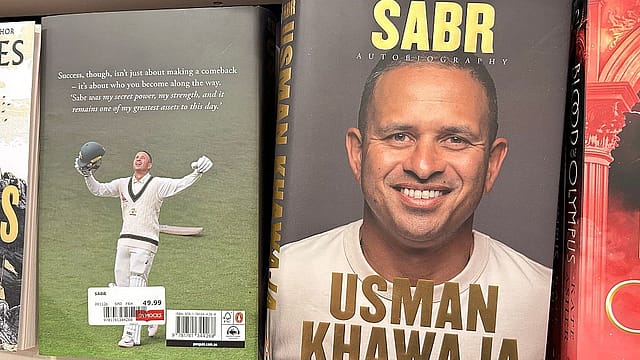
The announcement follows former Australia opener Usman Khawaja’s claim in his memoir, Sabr, that the whole squad knew about the use of sandpaper. Australia captain Pat Cummins has dismissed that claim as “utter nonsense”. The question for McLeod is broader than which account of Cape Town holds up. Players have also raised questions about what happened earlier on the tour and how thoroughly Cricket Australia examined it the first time.
Why the Cape Town case has reopened
Khawaja’s account challenged two assumptions about the scandal: how widely the plan was known and whether Cape Town was the only Test in which Australia tampered with the ball. Bancroft subsequently gave his own account in The West Australian, questioning the Australian bowlers’ position that they had been unaware of the plan.
Bancroft recalled a conversation at tea on the second day of the Port Elizabeth Test, before the teams went to Cape Town. He alleged that David Warner had suggested using sandpaper to roughen one side of the ball and that head coach Darren Lehmann and bowling coach David Saker were present.
Lehmann has said he cannot recall being part of that conversation. He maintains that he learnt about the sandpaper when he saw television footage of Bancroft concealing it. He has nevertheless acknowledged that Australia’s efforts to generate reverse swing went too far and accepted responsibility as coach for the team’s culture.
Those accounts leave McLeod with specific questions to examine. Was sandpaper discussed before the Cape Town Test? Who was present if that conversation took place? And what opportunity did the people on tour have to give their accounts during the original investigation?
Who can speak to Fiona McLeod?
Every player and member of the support staff on the tour will receive an invitation, as will Cricket Australia’s management and directors from 2018. McLeod, who has more than 30 years of experience in complex inquiries, including royal commissions, can also hear from others at her discretion.
Participants can meet McLeod in person or online, submit a written account or supply documents. All material will remain confidential unless the person providing it agrees otherwise. Cricket Australia will encourage everyone involved to participate, though McLeod cannot compel them to do so under the forum’s terms.
Cricket Australia chair David Boon said the renewed public scrutiny had taken an “enormous toll” on people involved in the tour. He said the confidential process would allow them to describe their experiences, including their dealings with the original investigation, and give the board a fuller account of events.
“This forum is the best opportunity for people to speak and be heard, and for CA to listen and learn,” Boon said.
What Cricket Australia will make public
The six-week window applies to submissions. A separate deadline starts when McLeod delivers her findings. Within 30 days of receiving them, the Cricket Australia board has pledged to publish her report and recommendations in full, alongside its response and the steps it intends to take.
The board has ruled out retrospective sanctions. For the players and officials weighing whether to participate, that assurance sits alongside the promise of confidentiality. For supporters who have heard conflicting versions of the tour, the document they will see is McLeod’s full report. The underlying submissions will remain subject to the terms on which participants provided them.
“Publishing the report in full is part of our commitment to transparency, and to be open with cricket fans about what we learn,” Boon said.
With inputs from ANI