IPL Impact Player Rule Explained: Why Specialists Are Dominating Modern T20 Cricket
The Impact Player rule has rewritten the rhythm of the Indian Premier League, turning specialists into decisive match-winners. Since 2023, icons like Faf Du Plessis and Rohit Sharma have embraced shorter, high-impact roles, with Faf striking above 150 in 2023 and Rohit sustaining a near-150 strike rate across seasons, signalling a clear move toward high-impact, role-specific cricket.
Here’s a more detailed look.
Why was the Impact Player rule introduced in the IPL?
The Impact Player rule was introduced in 2023 to add tactical depth and raise scoring rates. It allows mid-match substitutions, enabling teams to replace all-rounders with specialists. The result is immediate. Teams now routinely field an extra batter or bowler based on match situations, driving more aggressive, phase-specific cricket.
How has Rohit Sharma adapted as an Impact Player?
Rohit Sharma has been used as a batting-first Impact Player to manage his workload due to a niggle, while preserving output. He opens aggressively in the power play and is replaced during fielding. In the 2025 season, he scored 418 runs at a strike rate of 149.29.
However, critics like Mohammad Kaif have noted that his absence leaves a visible leadership gap during crunch situations.

Exclusive: To the Heavens and Back
19 Jun 2026 - Vol 04 | Issue 76
Shubhanshu Shukla relives the space odyssey that put India into orbit
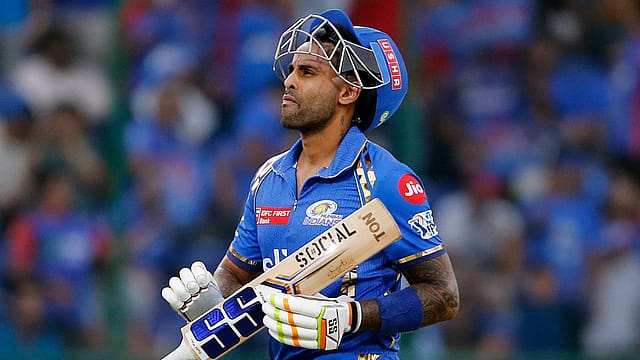
Why did the Mumbai Indians use Suryakumar Yadav as an Impact Player in their opening match in IPL 2026?
Mumbai Indians used Suryakumar Yadav as an Impact Player to manage a minor niggle while preserving team balance. Mahela Jayawardene said that the move reduced his fielding load and allowed MI to field an extra bowler, ensuring flexibility without compromising middle-order firepower. He scored 16 runs off 8 balls during the Mumbai Indians' season opener against KKR on March 29, 2026.
How has Yuzvendra Chahal benefited from the Impact Player rule?
During the 2023 season with the Rajasthan Royals, Chahal said the Impact Player rule “worked in our favour,” allowing an extra batter while he focused on bowling. Used as a specialist, he delivered 21 wickets that season, reinforcing his role as a middle-overs strike weapon without batting responsibility.
How has the rule helped manage aging or injured players?
Veterans like Faf du Plessis have used the Impact Player rule to extend peak output. During injury phases, he operated as a batting-only option, even scoring 730 runs at a strike rate of 153.68 in 2023. Yet, once fit, he returned to a full-time role, with his fielding too valuable to bench.
Why is Shivam Dube seen as the poster boy of the rule?
Shivam Dube has thrived as a specialist in the Impact Player era, shedding the expectations of an all-rounder. Regularly swapped in for a bowler, he targets spin-heavy middle overs, striking above 160 in recent seasons. His consistency as a power-hitter shows how role clarity can unlock sustained impact.
What criticisms has the Impact Player rule faced?
The Impact Player rule has drawn criticism for weakening the role of all-rounders and skewing team balance. Critics argue it reduces the pipeline for multi-skilled players, as teams now favour specialists. The IPL is set to review the rule after 2027 amid concerns over its long-term impact on squad composition.
What does this mean for the future of IPL tactics?
The Impact Player rule signals a clear shift toward role-specific cricket, with teams prioritising specialists over versatility and reshaping squad composition. If retained beyond 2027, it could redefine team-building. Yet, with a review due, the league must decide whether to sustain this shift or restore balance.
(With inputs from yMedia)