FIFA World Cup 2030: Netflix gets all 104 matches in Spain; will fans still be able to watch for free?
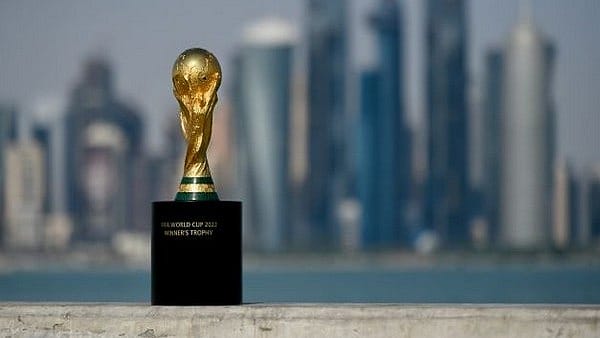
Imagine settling in to watch a World Cup match, only to discover that your usual television channel no longer carries it. Would you subscribe to a streaming service to catch every game, or stick to whatever is available for free? That is the question Spanish football fans are facing after Netflix secured the rights to all 104 matches of the 2030 FIFA World Cup in Spain and Andorra.
Announced on October 13, the deal marks Netflix’s first broadcast of a major men’s international football tournament in Spain. But it does not mean that every match will be locked behind a subscription. The agreement combines exclusive streaming rights with provisions for free viewing, raising a bigger question about the future of live sports broadcasting.

Zeroing In on ECI
09 Oct 2026 - Vol 05 | Issue 41
Constitutional legitimacy versus political opportunism
Netflix gets all 104 World Cup matches, but not every game will be behind a paywall
According to Netflix’s official announcement, the platform will stream all 104 matches live in Spain and Andorra. Its coverage will include pre-match, half-time and post-match shows with a Spanish perspective, daily highlights programmes and additional content in the run-up to the tournament.
However, the agreement also provides for one match per match day to be available free in Spain. A package featuring every match played by Spain, both semi-finals and the final will also be offered to a national free-to-air broadcaster. The identity of that broadcaster has not yet been announced, and financial terms of the Netflix deal remain undisclosed. Reuters reported that Spain’s public broadcaster, TVE, carried the national team’s matches during the 2026 World Cup, but it declined to comment on whether it was interested in acquiring a package for 2030.
The arrangement means that Netflix will control the tournament’s main streaming destination in these territories, while selected games will remain accessible through free television.
Why the Netflix-FIFA deal could change how fans watch football
For decades, major football tournaments have brought people together around television screens in homes, bars and public viewing spaces. Streaming offers another way to watch, with access across compatible devices, but exclusive rights can also raise questions about affordability and access. Netflix’s agreement illustrates this tension. The platform gets a major live sporting event that can attract viewers at specific times, while the free-to-air provision helps preserve access to some of the tournament’s biggest moments.
The balance will matter to fans who want every match, rather than only the games selected for free television. Until Netflix announces its pricing arrangements and the identity of its broadcast partner, the precise cost of following the entire tournament remains unclear.
Why the 2030 World Cup is a major opportunity for Netflix
The tournament will mark 100 years since the inaugural World Cup in Uruguay in 1930. Spain will co-host the 2030 edition with Portugal and Morocco, while Uruguay, Argentina and Paraguay will each stage a centenary celebration match. Spain will also arrive as the defending champion after winning the 2026 tournament. For Netflix, that combination of a historic anniversary, a major football nation hosting the competition and strong public interest offers an opportunity to expand its live-sports business.
The company already holds rights to the 2027 and 2031 FIFA Women’s World Cups in the United States and Canada. Its wider live-sports portfolio includes selected NFL and MLB events, WWE, boxing and mixed martial arts.
Does Netflix have the World Cup rights in India?
No. The announced agreement covers Spain and Andorra, not India or the rest of the world. Indian viewers should not assume that the 2030 tournament will be available on Netflix simply because the platform has secured these rights.
Broadcasting arrangements are negotiated for specific territories, and India’s viewing options will depend on separate rights agreements and announcements.
For now, the Spanish deal offers a preview of a possible shift in sports broadcasting: streaming platforms competing for football’s biggest events, while free-to-air television remains important for public access. The real test will be whether fans can watch the matches they want without cost becoming a barrier.
(With inputs from ANI)