EXPLAINED | ‘Clicky Ponting’ Scandal: How a Finger Snap Fooled a Cricket Umpire
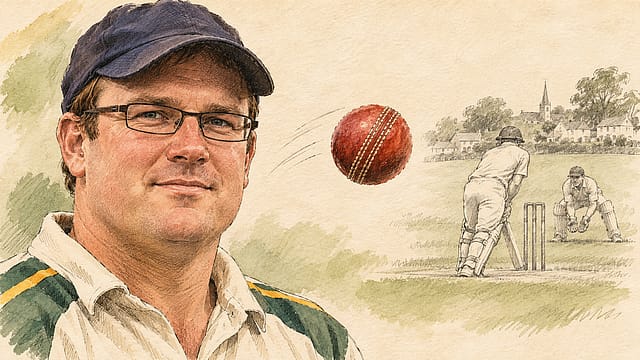
The ball went past Noman Shabir. The wicketkeeper caught it. Somewhere in between came a click.
For an umpire, those three things can add up to a wicket. In a July 25 club match in northern England, they did. But the video offered another possible source for the noise. Brian Devine, a Saltburn fielder standing close to the wicketkeeper, appeared to snap his fingers just as the ball passed Shabir’s bat. Norton’s batter was given out.
The league investigated after receiving complaints about several matches. Devine and Saltburn admitted misconduct charges, the league said in a statement reported on November 6. Devine was banned from cricket under the England and Wales Cricket Board’s jurisdiction until September 29, 2028. Saltburn’s second team was relegated. And a pun on the name of former Australia captain Ricky Ponting stuck to Devine. “Clicky Ponting” was the name the internet gave him.

The Era of Forever Wars
30 Oct 2026 - Vol 05 | Issue 44
Coping with an explosive Middle East
How can a finger snap get a batter out?
It can sound like a thin edge, the faint tick a ball makes when it just brushes the bat. A thick edge can send the ball flying at a new angle. With a thin one, the change in direction may be too small to see from where the umpire is standing. A sound at the right moment can help settle the call.
Devine was fielding at slip, just beside and behind the wicketkeeper. That put him close enough to the action for the timing to matter. Josh Bowes took the ball behind the stumps and Saltburn appealed. The umpire gave Shabir out. The footage shows Devine’s apparent snap and the sequence that followed. The reporting does not establish exactly what the umpire heard.
What has to happen for a batter to be caught out?
The ball has to touch the bat, or the glove on a hand holding it, and a fielder must complete the catch before the ball hits the ground. The delivery also has to be legal. That leaves two separate things to judge in a catch behind the stumps. Did the keeper take it cleanly? Did the ball touch anything on the way through? A perfectly good catch answers only the first question.
The umpire can consult the other on-field umpire if that colleague had a better view. Under the Laws of Cricket, if doubt remains after consultation, the decision is not out. That is the rule for making the original decision. A television review starts with an on-field verdict already in place.
Would an IPL replay have caught the trick?
It would have given the officials a way to test it. Under the 2026 IPL playing conditions, a batter who has been given out can ask for a review within 15 seconds of the ball becoming dead. The third umpire can use replay angles and sound picked up by a microphone at the stumps. UltraEdge lines that sound up with the video, so the official can see where the ball was when a spike appeared.
Imagine a sharp spike while the replay clearly shows daylight between ball and bat. That gives the third umpire a reason to look elsewhere for the noise. Now imagine the spike lands at the very instant the ball passes the bat, with the camera unable to show a clear gap. The sound can tell you when something happened. The pictures still have to help you work out what. If the evidence is inconclusive, the IPL rules say the original decision stands.
Can the pictures settle it without a sound?
Yes. In the December 2024 Melbourne Test, India’s Yashasvi Jaiswal was initially given not out after Australia appealed for a catch behind. On review, the third umpire saw the ball change direction as it passed Jaiswal’s glove and overturned the decision. The broadcast’s sound tool, Real Time Snicko, had shown no clear spike. The pictures supplied the evidence the microphone hadn’t.
Why did Saltburn lose more than a player?
The investigation went beyond the clip. The league said it examined video, interviewed players and took written statements after complaints about multiple matches. Devine accepted his ban. Saltburn appealed its sanction and said it accepted the outcome. Its second XI will start the 2027 season one division lower and already 60 points down. The club was also fined £300. When Saltburn’s second XI takes the field next season, it will have 60 points to make up before it gets back to zero.