Sabar study finds women, young voters disproportionately hit by Karnataka roll deletions
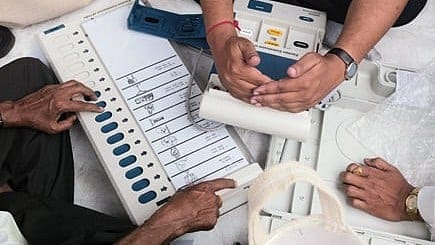
Karnataka has seen the largest fall in voter numbers among southern states whose final rolls have been published after the Special Intensive Revision. Its electorate has fallen by 99.32 lakh, from 5.54 crore to 4.55 crore. Nationally, the absolute decline is larger in Uttar Pradesh. By percentage, Karnataka’s 17.92 per cent fall is the second steepest among 24 states and Union Territories with final rolls out.
Some reduction was to be expected. Electoral rolls accumulate dead voters, duplicate entries and people who have moved. That problem is especially visible in Bengaluru, where a large population rents, migrates for work and may remain registered at an earlier address. The Election Commission’s figures show that most people left off the draft roll were classified as shifted, absent, dead or duplicates. The largest category—65.45 lakh—was marked “permanently shifted”.

The Era of Forever Wars
30 Oct 2026 - Vol 05 | Issue 44
Coping with an explosive Middle East
Bengaluru’s four electoral-roll districts account for about 45 per cent of Karnataka’s deletions, despite holding roughly 19 per cent of the pre-revision electorate. Every Bengaluru constituency lost at least 36 per cent of its electors. At the draft stage, 1.08 crore names were left off because enumeration forms had not been submitted or voters were classified as absent, shifted, dead or duplicate. During the claims period, about 10.08 lakh electors were added and 1.88 lakh deleted. Karnataka’s final roll is therefore 99.32 lakh below the pre-revision list.
A preliminary analysis by the Sabar Institute suggests has found that women made up a majority of living voters removed, with the imbalance particularly marked among 18- to 29-year-olds. It also found that in 145 of Karnataka’s 224 constituencies, the number of living voters removed exceeded the winner’s margin in the 2023 Assembly election. Protesters are now calling for a closer scrutiny of the rolls.
The party-wise picture also calls for care. The Sabar analysis found a higher deletion rate in BJP-held seats statewide, but said the difference was concentrated in Bengaluru. Outside the city, deletion rates in BJP- and Congress-held constituencies were roughly equal.
Other reviews of Bengaluru’s SIR rolls have found hundreds of entries with garbled or incomplete names and relatives’ details, including clusters of voters whose records appear corrupted. Election officials and booth-level officers attribute some of these errors to transliteration and software glitches.
The Election Commission has said the exercise followed due process and announced a special verification drive in areas with large changes. Yet, by October 21, district authorities had heard only nine of 361 appeals against deletions. Officials have said successful appeals can be reflected in later roll updates, and a supplementary list is expected in January.