Delhi Police Crime Branch Launches Probe Into July 20 CJP Protest Violence
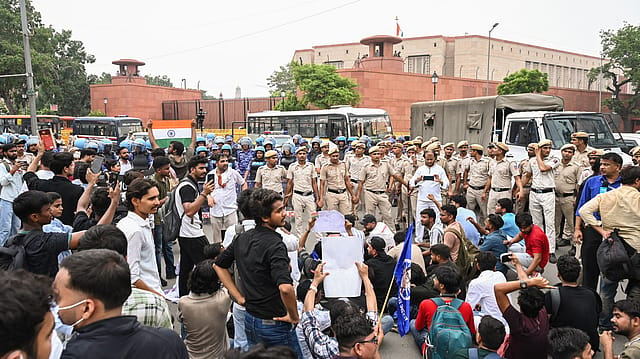
The Delhi Police Crime Branch has begun investigating the violence that broke out during the Cockroach Janata Party (CJP) protest in New Delhi on July 20, and has registered a case under several sections of the Bharatiya Nyaya Sanhita, sources said.
According to Crime Branch officials, the investigation will focus on those allegedly responsible for the violence. It will examine whether the violence was premeditated and whether criminal elements entered the protest sites after the CJP called for a march to Parliament.
THE 2,873 SUSPECTS
Officials said the probe will also look at 2,873 suspects with criminal backgrounds, identified from Facial Recognition System (FRS) data collected by the Crime Branch. Police are also reportedly checking whether WhatsApp or Telegram groups were created to mobilise people before the violence.
The Crime Branch will specifically investigate alleged assaults on police personnel, vandalism and the destruction of public property, including police vehicles.

The Modi Years
02 Oct 2026 - Vol 05 | Issue 40
A Nation Rebuilt
On the directions of the Supreme Court, the Delhi Police had already cancelled 17 FIRs linked to the July violence. The Supreme Court had also directed that no coercive action be taken against student protesters in connection with those FIRs. The new case is separate and is aimed at those who allegedly carried out the violence, according to the officials.
WHAT HAPPENED ON JULY 20
Security at Parliament was stepped up on July 20, with several entry gates closed as the protest escalated. The measures followed the CJP's call for a "Sansad Chalo" march, with activists and protesters gathering at Jantar Mantar. Police had deployed personnel in large numbers and run security drills ahead of the march and the start of the Monsoon Session.
Delhi Police appealed to the public to stay calm and avoid spreading rumours or unverified information during the protest, which was over the alleged NEET exam paper leak.
After the protest, they released footage purportedly showing a group of youths pelting stones in the Connaught Place area, from behind police barricades and from near them.
The CJP's agitation grew out of the NEET-UG paper leak. The National Testing Agency cancelled the May 3, 2026 exam amid leak allegations and held a re-examination on June 21.
The CJP held its first Jantar Mantar protest on June 6, demanding the resignation of the then Education Minister, Dharmendra Pradhan, and reforms in the way public examinations are held. The protests spread to more than a dozen cities.
Pradhan resigned on July 25, five days after the July 20 march.
The movement has since turned to the Election Commission. It has called for a protest at Jantar Mantar on October 10 if Chief Election Commissioner Gyanesh Kumar does not resign, as opposition parties and student groups continue to protest over the Special Intensive Revision of electoral rolls.
With inputs from ANI