B Jeyamohan describes DMK's delimitation move as a 'bid' to protect 'family interests'
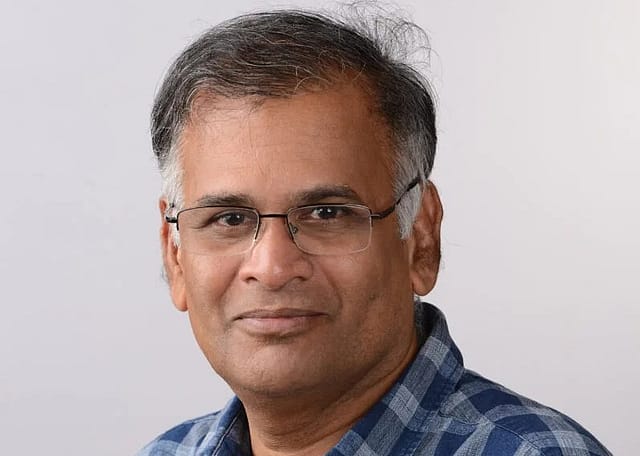
Acclaimed Tamil Nadu-based bilingual novelist and political commentator B Jeyamohan says that the Dravida Munnetra Kazhagam (DMK) backing the Bharatiya Janata Party (BJP)-led government in the amended delimitation Bill doesn’t surprise him one bit because the party founded in 1949 by legendary politician CN Annadurai has nothing to do with ideology anymore and is struggling to stay afloat in the rough and tumble of Indian politics and protect its family interests.
“TVK (Tamilaga Vettri Kazhagam) is here for the long haul and their leader Vijay is young and dynamic and has a long way to go. They are going to fight the next general elections along with the Congress party. What is left then for DMK? It has to be in power in the state or be part of the government at the Centre to be able to protect its family interests (that of the Karunanidhi and Maran families). It is not a party with any ideological commitment or high political values,” avers Jeyamohan, who is also an essayist and literary critic with a cult following in the Tamil-speaking world.
Hot Pursuit
27 Nov 2026 - Vol 01 | Issue 02
The Shah Doctrine of Internal Security
“A lot of DMK workers and regional leaders have been crazily approaching senior leaders to enter into an agreement with BJP. The decision of the DMK top brass came after such relentless appeals to protect their collective interests,” Jeyamohan, who is also an expert on Tamil and Indian philosophical traditions, told Open, adding that “these families” have strong bonds with the ruling party at the Centre, especially the Marans. For its part, DMK, which has 22 members in the Lok Sabha, said it will vote for the delimitation bill after the Centre agreed to its demand to retain its existing 7.18% seat share unchanged for 25 years. The bill is expected to come up in the Lok Sabha session starting on November 30, 2026.
The late Union Commerce Minister in the AB Vajpayee government, Murasoli Maran, a close relative of DMK patriarch M Karunanidhi, was the one who played a pivotal role in bringing the Tamil party closer to BJP; they became allies between 1999 and 2003. Two years after the two parties fought together in the 2001 Tamil Nadu state elections and lost, DMK realigned with Congress shortly after Murasoli Maran passed away in 2003, ahead of the 2004 general elections. DMK, which was part of the Congress-led United Progressive Alliance (UPA) government and had got itself embroiled in serious corruption scandals, has often maintained that the alliance with BJP was specific to the Vajpayee era, suggesting lack of affinity for the others in the Hindu nationalist party.
“When they are not in power, they cannot survive. Everyone knows it,” Jeyamohan said in an interview, explaining why DMK decided to veer towards BJP. It had snapped ties with the I.N.D.I.A. bloc in mid-2026 shortly after the state elections, when the Congress party snapped ties with DMK and joined the TVK government.
Jeyamohan, whose stellar works include Vishnupuram, Venmurasu (one of the world’s longest novels ever written), Nooru Simhasanangal, Aanai Doctor and others, has been a vehement critic of both Tamil fundamentalism and Hindutva parties. The novelist, who writes in Tamil as well as Malayalam, had however in 2023 backed DMK leader Udayanidhi Stalin over the latter's attack on Sanatana Dharma. “I agree with what Udhayanidhi Stalin said because Sanatana Dharma in the South is associated with the Vedic tradition, which has for many centuries been opposed by Tamil Shaivites as well as others, including nastika, Jain, and Buddhist traditions that dominated the South for centuries until the Bhakti movement happened,” he had told Open, throwing his weight behind a political entity he has often sharply criticised.