Why Bihar's First Sea Shipment of GI-Tagged Mithila Makhana to Australia is a Big Deal
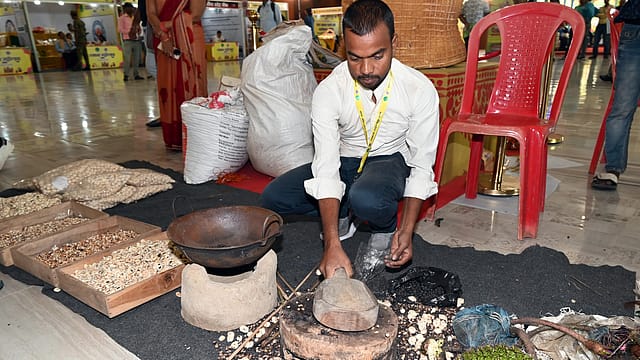
For generations, Mithila Makhana was a regional delicacy harvested from Bihar's ponds and wetlands. Today, it is becoming one of India's fastest-growing agricultural exports.
In a first, 18 metric tonnes of GI-tagged Mithila Makhana have been shipped from Bihar to Australia by sea, a milestone that signals the growing global appetite for the superfood and the emergence of Bihar as a serious agri-export hub. Even more significantly, farmers in Darbhanga received nearly 18% more than prevailing market prices, underscoring how exports can directly improve rural incomes.
What exactly has happened?
India has completed its first-ever sea shipment of GI-tagged Mithila Makhana to Australia. The consignment, weighing around 18 metric tonnes, was packed into seven containers and flagged off from Bihar's Integrated Unit of Irradiation-cum-Packhouse at Bihta near Patna. According to Union Commerce and Industry Minister Piyush Goyal, the shipment was facilitated by the Agricultural and Processed Food Products Export Development Authority (APEDA), with the makhana sourced directly from farmers in Darbhanga.

Rise of the Pivotal Power
18 Sep 2026 - Vol 05 | Issue 38
The BRICS declaration is a strategic victory for Modi
Why is this shipment significant?
The significance goes well beyond one export order. Until now, most premium agricultural exports relied on air freight, which is considerably more expensive. A successful sea shipment demonstrates that Mithila Makhana can travel long distances economically while maintaining export quality, making it more competitive in overseas markets. It also reflects Bihar's growing investment in export infrastructure, including irradiation facilities, scientific packaging, quality testing and logistics designed to meet international food safety standards.
What is Mithila Makhana?
Mithila Makhana, popularly known as fox nuts or lotus seeds, is cultivated primarily in the wetlands of north Bihar. It received its Geographical Indication (GI) tag in 2022, recognising its unique origin and traditional cultivation methods. The GI tag gives the product legal identity similar to Darjeeling Tea or Basmati Rice and helps differentiate it in global markets. Bihar accounts for nearly 90% of India's makhana production, making the crop central to the state's rural economy.
Why is the world interested in makhana?
Makhana has quietly become one of India's biggest "superfood" success stories. Naturally gluten-free, low in fat and rich in protein, minerals and antioxidants, it has found growing acceptance among health-conscious consumers in countries such as the United States, the United Kingdom, Australia, the UAE and Japan. Government-backed studies have identified GI certification, better processing and improved market access as key drivers behind its rising exports.
How did farmers benefit?
Perhaps the biggest takeaway is the price realisation. According to the Commerce Ministry, the makhana was procured directly from farmers in Darbhanga, enabling them to earn around 18% higher returns than prevailing market prices. Reducing intermediaries while connecting producers directly to export markets is increasingly becoming a key strategy for improving farm incomes.
How is Bihar preparing for more exports?
The shipment is part of a broader effort to transform Bihar from an agricultural producer into an agricultural exporter. The Bihar government says investments in irradiation facilities, grading, packaging, cold-chain logistics and quality certification are helping local produce meet international standards. APEDA has also been working with exporters, Farmer Producer Organisations (FPOs), processors and state agencies to strengthen quality assurance, export readiness and overseas market access. The goal is to replicate this success across other agricultural products from the state.
What does this mean for India's agri-exports?
The Australia shipment is more than a logistics milestone. It reflects a larger shift in India's agricultural strategy—from exporting raw produce to building globally recognised, premium regional brands backed by GI certification, better infrastructure and value addition. For Bihar, it is another step in moving from "production to export." For farmers, it is proof that access to international markets can translate into higher incomes. And for Mithila Makhana, it marks another leap from village ponds to supermarket shelves around the world.
(With inputs from ANI)