What is Kavach 4.0? How Indian Railways’ Automatic Braking System Works
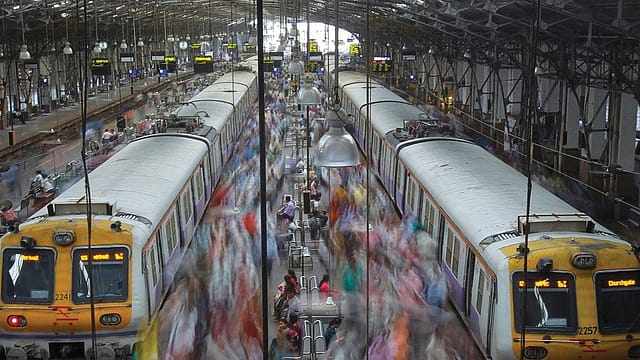
A red signal tells a loco pilot to stop. Kavach adds a second layer of protection: if the driver does not respond in time, the system can apply the brakes automatically.
Indian Railways has approved ₹223 crore to install Kavach Version 4.0 across 614.75 route kilometres of North Eastern Railway’s Varanasi division. The September 28 announcement covers identified remaining sections of the division. It is an approval for deployment, rather than a declaration that the system is already operational across those stretches. Here is how the technology works—and what the announcement means for passengers.
What exactly is Kavach?
Kavach is India’s indigenously developed Automatic Train Protection, or ATP, system. Developed by the Research Designs and Standards Organisation (RDSO) in collaboration with Indian industry, it monitors train movement and can intervene through automatic braking when safety limits are breached. Its central functions include enforcing permitted speeds and helping prevent a train from passing a red signal without authority. It provides an additional safety layer alongside the driver and existing signalling infrastructure.

Losing Memory
16 Oct 2026 - Vol 05 | Issue 42
The making of a medical and social emergency
What happens if a driver misses a red signal?
Kavach is designed to intervene before the train passes the signal. The railway term is Signal Passing at Danger, or SPAD: a train moves beyond a stop signal without authority. This can put it into a section or route where it should not be, creating a collision risk. Kavach monitors how far the train is permitted to travel and calculates the braking needed to keep it within that limit. If the loco pilot does not act in time, it can apply the brakes automatically.
How does it know where a train is?
Equipment on the locomotive communicates with equipment beside the railway line. Radio-frequency identification (RFID) tags fitted along the track provide location references. Station-based units receive information from the signalling and interlocking system, including signal indications, track occupancy and the position of points that guide trains between tracks. Radio links pass relevant information to the locomotive. The onboard system uses it to monitor speed and the train’s “movement authority”: the distance it is permitted to travel.
Can Kavach prevent two trains from colliding?
It is designed to reduce collision risks through signal and speed supervision, and includes protections against head-on, rear-end and side collisions under specified operating conditions. In a March 2022 demonstration, two locomotives were deliberately moved towards each other. The Railways said Kavach applied the brakes and stopped them 380 metres apart. That was a demonstration under particular conditions, not a universal stopping-distance guarantee. The Railways also specifies functional Kavach equipment on both locomotives for its train-to-train collision-prevention feature.
Does that mean it can prevent every railway accident?
No. Its stated functions concern train movement, signalling, speed supervision and related collision protection. They should not be read as a guarantee against every cause of a railway accident. Automatic braking cannot substitute for maintaining tracks, inspecting coaches and locomotives, or ensuring that signalling equipment works correctly. Nor should Kavach be assumed to detect every obstruction on a track. The distinction matters: protection against an unsafe train movement is one part of railway safety. It does not eliminate the need to keep the railway’s physical infrastructure safe.
What is different about Kavach 4.0?
RDSO approved the Version 4.0 specification on July 16, 2024. The Railways identifies four major improvements: more accurate location information, better signal information in large station yards, communication between station Kavach units through optical fibre, and a direct interface with existing electronic interlocking systems. These upgrades are intended to support deployment across a railway network with varied layouts and operating conditions.
Does Kavach help in fog? Does it replace the driver?
It helps the driver by displaying signal and movement information inside the cab. This is useful when fog, curves or other visibility problems make trackside signals harder to see. The loco pilot continues to drive the train. Kavach supervises specified safety parameters and intervenes when required; its installation does not turn a conventional train into a driverless service.
Why does installation take more than fitting a device in the engine?
Because Kavach is a system spread across the railway. Deployment requires locomotive equipment, station and trackside units, RFID tags, telecom towers and optical-fibre connections. These components must work together and undergo testing before commissioning. Fitting a locomotive alone does not establish full Kavach protection across every route it travels.
What has been approved for Varanasi—and when will it be ready?
The approval covers Kavach 4.0 on 614.75 route kilometres at a cost of ₹223 crore. The Ministry of Railways says this will extend coverage across identified remaining sections of Varanasi division. The announcement does not provide a commissioning deadline or a section-by-section completion schedule. Passengers should therefore distinguish between money being approved, equipment being installed and the system becoming operational. The safety benefit on these stretches will depend on completing and commissioning the work, with functioning equipment on the routes and locomotives concerned.
With inputs from ANI & agencies